 Send my request
Hot water smells like rotten eggs in Rogers, AR
Send the request and finding a pro stops being your problem.
That smell usually means sulfur bacteria living in the tank, reacting with the anode rod. It shows up most in homes on well water, but Rogers homes on city water get it too, especially if the heater sits unused for a stretch or the water's warm for long periods.
Either way, it is not something to live with. The smell means something is off inside the tank, and it is worth having a contractor look at before it gets worse or the water heater fails outright.
Right now your job is probably to start calling around. Finding a plumber who works on water heaters, asking if they're licensed in Arkansas, explaining the smell and when it started, then doing it all again with the next name on the list. Comparing quotes without knowing if you're comparing the same fix.
Send the form instead and that work is off your plate. You won't need to track down who's available or repeat the same explanation three times. A contractor who handles this gets your details and takes it from there.
Benton County water heaters work hard. Summers here are long and sticky, winters get properly cold, and the tank runs through both without a break. A rotten egg smell on top of that is one more thing pulling at a system that's already carrying a full year's work. Getting someone qualified to look at it means one less thing on your list, and water you can actually use without walking out of the room.
That rotten egg smell comes from hydrogen sulfide gas, and it forms inside the tank when the anode rod reacts with bacteria in the water. Most water heaters have a magnesium anode rod, and magnesium reacts more than other metals, so it's usually the first thing to look at. Well water carries more of these bacteria to begin with, which is why the smell shows up so often in homes outside Rogers on private wells. But city water isn't immune, especially if the heater has sat idle while you were away, or the thermostat is set low enough that bacteria can survive. The smell itself isn't usually dangerous, but it won't go away on its own, and it means something inside the tank needs attention. A contractor can test the water, check the rod, and tell you whether flushing the tank or replacing the rod solves it.
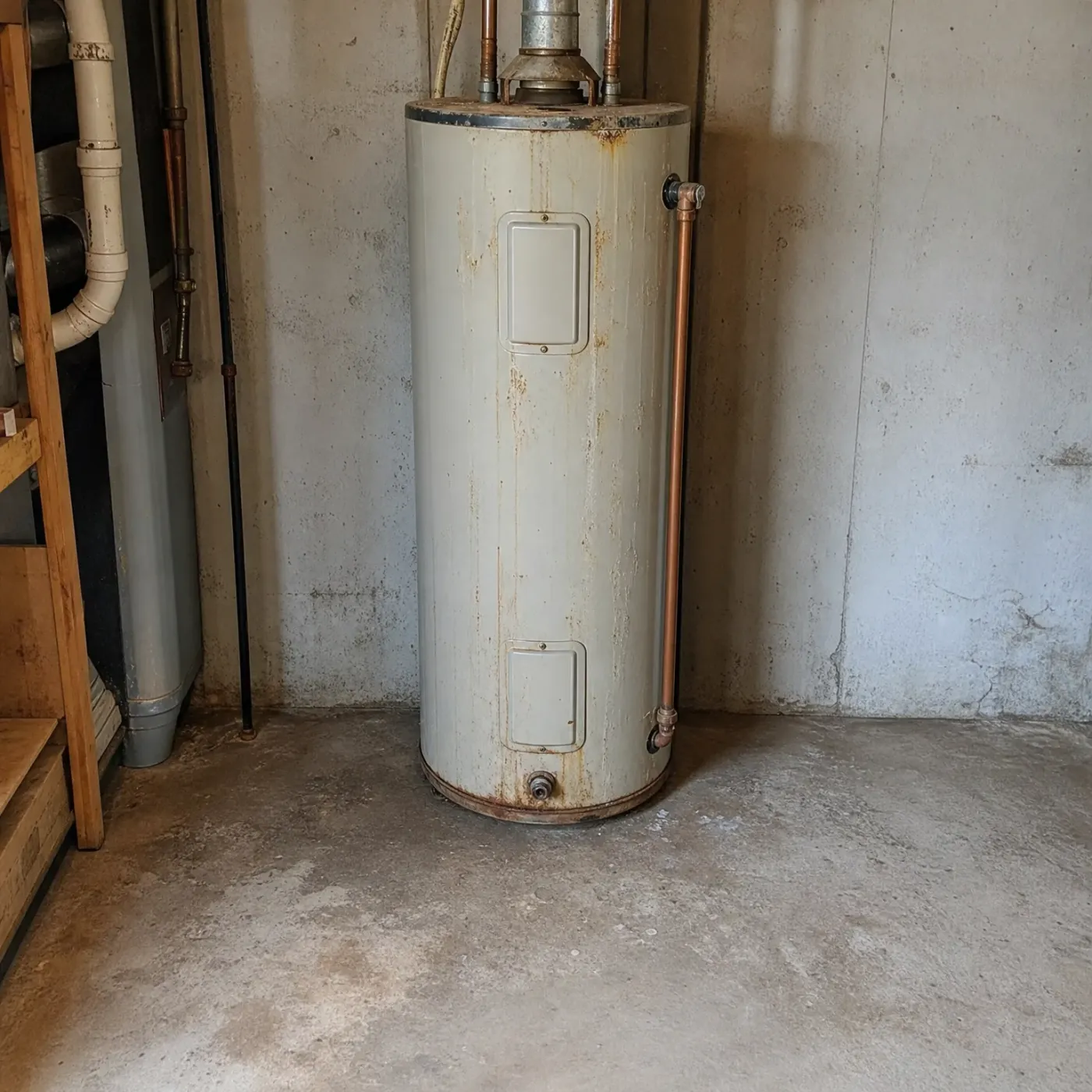
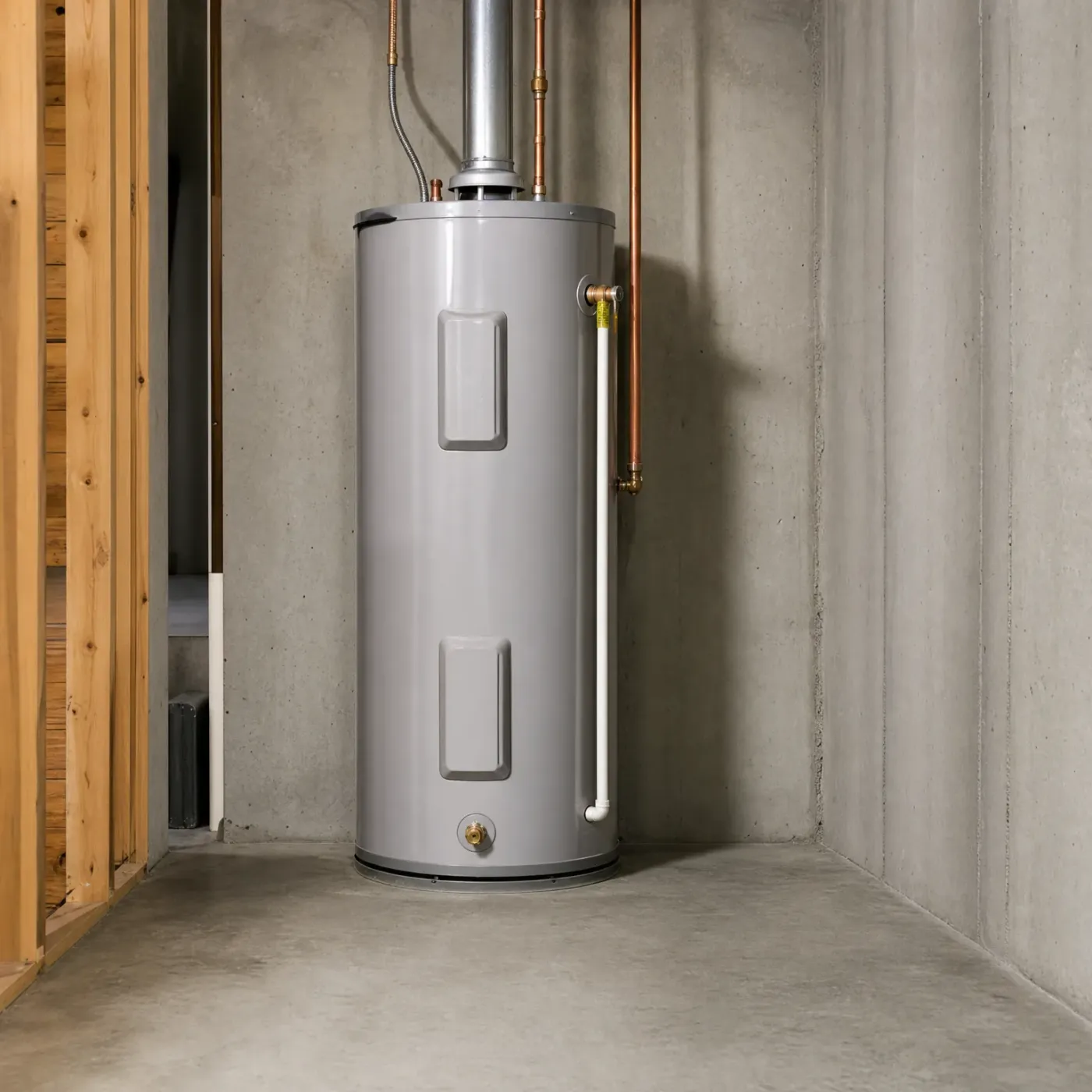
The anode rod is doing its job when it reacts. It's built to corrode instead of the tank, and magnesium, the metal most rods are made of, corrodes fast. That reaction is exactly what feeds the bacteria that make the gas. So a rod swap to aluminum or zinc slows things down, but it doesn't remove the cause, because those bacteria live in the water itself, not just on the rod. Sediment at the bottom of the tank gives them a place to settle and multiply, which is why a flush matters as much as the rod. Heat works against them too. Hold the water above 140 degrees for a few hours and most of the bacteria die off, though that temperature can scald, so it's not something to just crank up and walk away from. None of this is a one-time fix. The rod wears down again, sediment builds back up, and if the water sits for a week while you're away, the smell is often waiting when you get home.
Why the smell keeps coming back
- Hydrogen sulfide forms when sulfate-reducing bacteria feed on the anode rod and release gas into the water.
- A standard magnesium anode rod reacts fastest, so swapping it for an aluminum or zinc rod often cuts the smell down.
- Water left sitting in the tank for days gives the bacteria more time to work, which is why the smell gets stronger after a trip away.
- Flushing the tank clears out sediment where the bacteria collect, and a contractor can do this along with a rod check.
- Raising the thermostat above 140 degrees for several hours kills most of the bacteria, though it has to be done carefully.
- Well water carries more sulfate and more of these bacteria to begin with, which is why the smell shows up faster in homes on well systems.
What This Means for Your Home
- Water from the tank can stain sinks, tubs, and laundry with a faint yellow or rust tint.
- The smell gets worse in a hot shower, since heat releases more of the gas into the air.
- A tank that sits for a few days, like during a trip, often smells stronger when you turn the water back on.
- Left alone, the bacteria causing the smell can keep feeding on the anode rod until it's worn through.
- A worn anode rod leaves the tank's steel wall exposed, which is how rust and leaks start.
- Guests and family will notice the smell before you explain it's the water heater and not the drain.
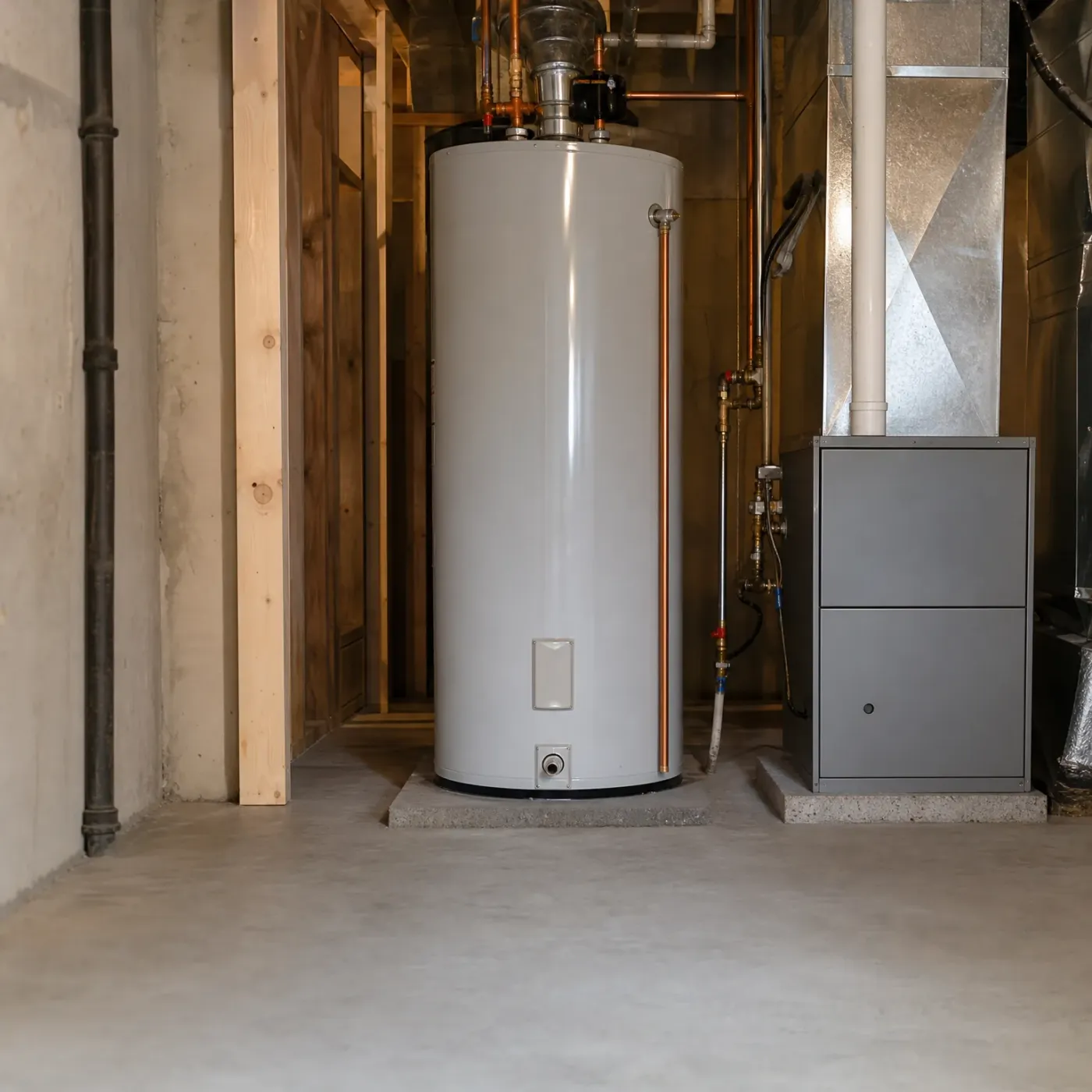
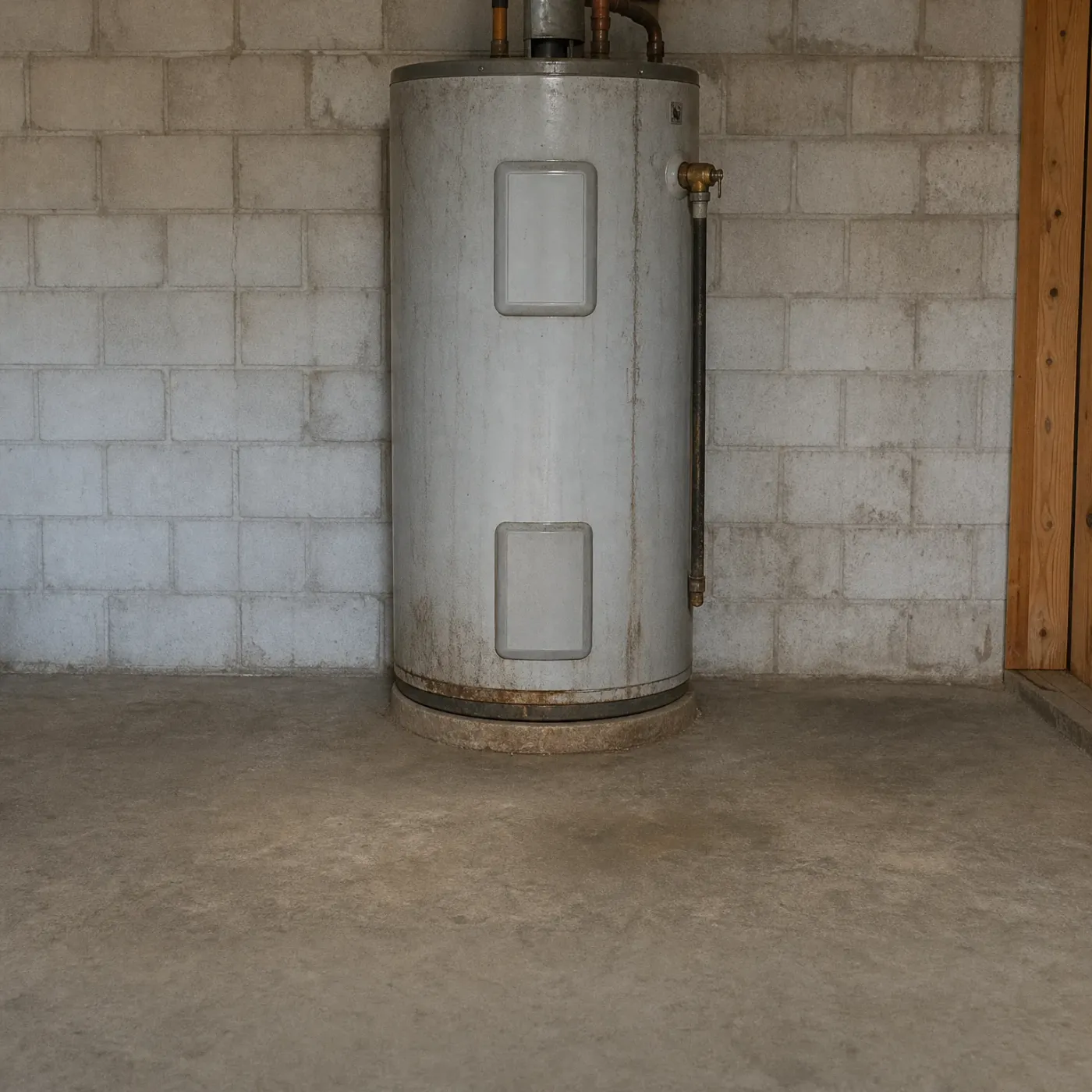
Once sulfur bacteria take hold in the tank, the smell shows up in more places than you'd expect. It carries into laundry and dishes, not just the shower, and a faint rust tint in the water can follow it, especially noticeable against white sinks or light clothes. Hot water tends to carry the smell worse than cold, since heat pulls more of the gas out of the water and into the air around you. If the house sits empty for a few days, a trip or a long weekend, the water sitting in the tank gives the bacteria more time to work, and the smell can hit harder the next time someone runs the tap. None of this fixes itself. The bacteria keep feeding on the anode rod as long as it's there to feed on, and once that rod wears down, there's nothing left protecting the steel tank underneath. That's when rust starts, and rust in a water heater tank doesn't reverse. It's also not the kind of problem you can keep to yourself. Anyone staying over, family, guests, a babysitter, will notice the smell the first time they run the shower or wash their hands, and most people assume it's a drain problem before they think to blame the water heater. The smell is a symptom. What it's telling you is that something inside the tank has already changed.




Hand off the water heater problem

Answer a few questions instead of calling shop after shop.
You're not committing to anything by asking.
Swapping the anode rod doesn't always clear it for good. Benton County well water carries more sulfate than city water, so the bacteria that feed on the rod have more to work with and can build back up faster.
That's why the smell can return a few months after a repair even when the first fix worked. A tank on well water needs a closer eye than one on city water.
Why does well and tank water smell worse for some Rogers homes?
2.69 people per household on average
Benton County households average 2.69 people, so a 40 or 50 gallon tank cycles hot water often, giving bacteria less time to settle before the next draw.
Half the homes here were built by 2001
Half the homes in Benton County were built in 2001 or earlier, which means the water heater may already be a replacement, and the anode rod inside it could be a type you haven't checked.
Power here costs 12.77 cents per kilowatt-hour
At 12.77 cents per kilowatt-hour, an electric water heater here costs less to run than in most places, so letting it sit idle a few extra days rarely feels like a reason to worry about the bill.
ACS 2020-2024 · EIA-861 2025

It's a Tuesday morning and you've got the shower running, waiting for it to heat up before you step in. The bathroom mirror barely fogs. You reach for the towel on the rail and that's when it hits you, that rotten egg smell rising with the water. No steam fills the room the way it usually does. You stand there a second, hand still on the curtain, deciding if you can live with it for one more shower or if today's the day you finally deal with it. The towel waits. The water keeps running.
Will flushing the tank myself get rid of the smell?
Flushing a tank sounds like the obvious fix, and plenty of Rogers homeowners try it before calling anyone. It drains out sediment and loosens up the water sitting in the tank, so it makes sense that it would help with the smell too. The question is whether it deals with what's actually causing the odor, or just clears it out for a few days before it comes back.
It can clear the smell for a while, but it won't stop it from coming back
Flushing the tank clears out sediment and the standing water where the smell has built up, so it often works for a few days. The bacteria causing the smell live on the anode rod itself, not just in the water, so a flush doesn't touch the source. Once fresh water sits against that rod again, the reaction starts over. Benton County well water carries more sulfate, which feeds the bacteria faster, so homes on well water tend to see the smell return sooner after a flush than homes on city water. A flush is worth doing, but it buys time rather than solving it. Getting rid of the smell for good usually means replacing the anode rod or treating the water itself.


2.69 people per household on average
With close to three people in most Benton County households, a tank here runs through more hot water over the course of a day, with less downtime between draws. That steady use keeps the smell from fading on its own, which is why it tends to need an actual repair.
ACS 2020-2024

Technician shuts off power or gas to the heater before opening it up
A test on the water confirms sulfate-reducing bacteria instead of a gas leak
The old anode rod comes out, often coated and dark with buildup
Tank gets flushed to clear out loose sediment the bacteria feed on

The smell has a cause, and it has a fix
The rotten egg smell comes from bacteria feeding on the anode rod inside your tank, and it does not clear up on its own. Flushing the tank might help for a while, but if the rod stays the same, the smell tends to come back. A technician can test the water, swap the rod for one bacteria don't feed on as fast, and flush the sediment that's built up underneath it.
You don't have to figure out which contractor in Rogers handles this or spend an afternoon calling around and explaining the smell to three different people before you get a straight answer. Send the form once and that search is off your plate. Someone licensed for this work gets in touch, and you can tell them what you've noticed, the well or city water, how long it's been happening, and let them take it from there.

Send one request and you're done looking