Is a heat pump water heater worth it in Arkansas

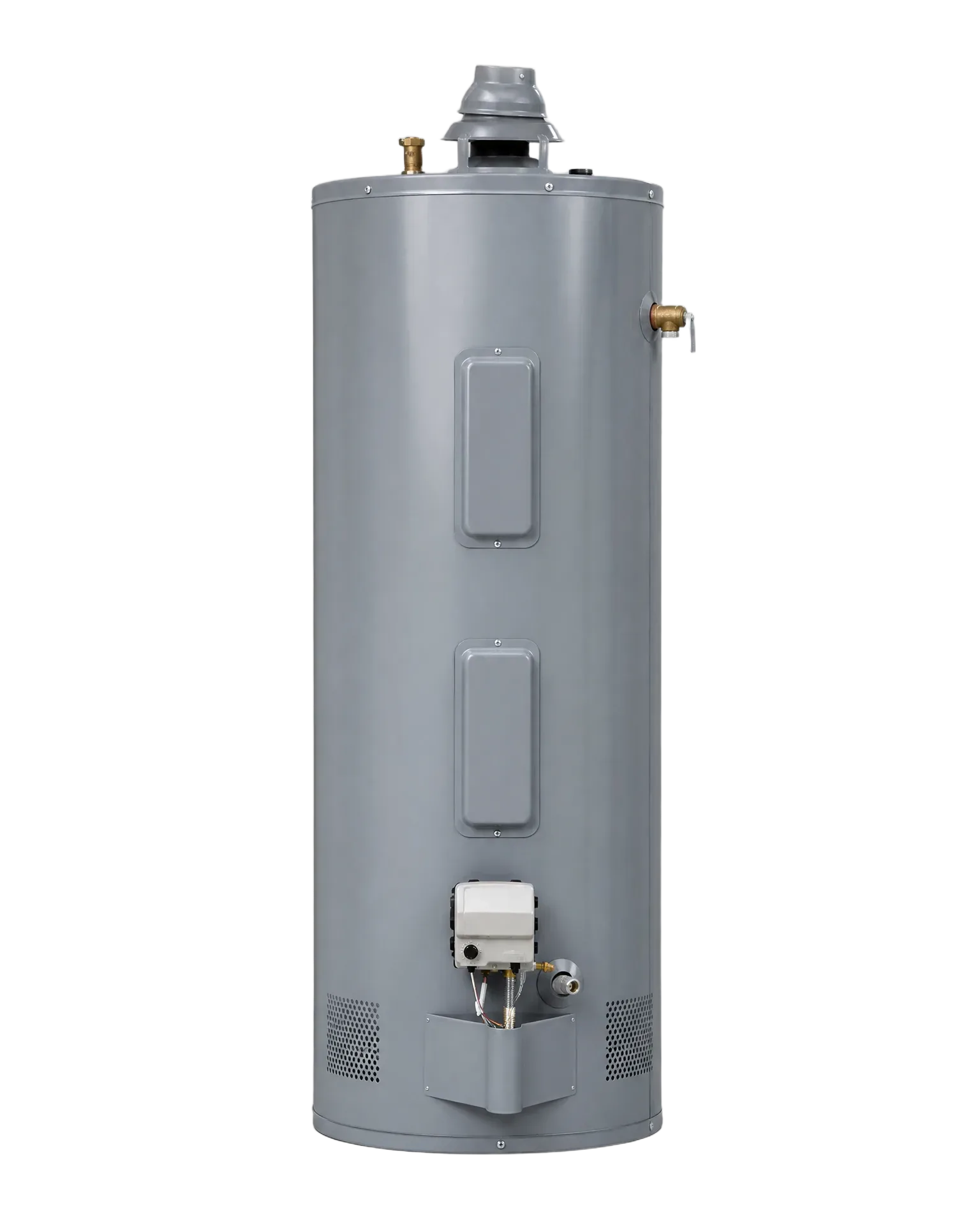
A gray cylindrical gas water heater with a top flue hood, brass fittings, two access panels, a control valve and burner cover, photographed against a plain gray background.
Match me with a pro

Yes, and in Arkansas it works out better than in most places, because most homes here heat with electricity already. A heat pump water heater pulls heat from the air around the tank instead of making heat directly, so it uses a fraction of the electricity a standard electric water heater does to heat the same water. It also runs cooler and drier air out into the space around it, which is a small plus in a muggy climate. Power is cheap here, so the dollar savings on your bill each month will be smaller than they'd be somewhere with expensive electricity. But you're still using much less electricity to make the same hot water, and that difference holds every month, all year. Where you install it matters: it needs a space with enough air around it, like a garage or basement, to pull heat from. If your water heater is in a small closet, that's worth checking before you commit.

A gray-haired bearded man in a dark coat and scarf dusted with snow stands smiling in a dimly lit entryway with a white front door, a side table with a lit lamp, an oval mirror, and a patterned rug.
An older bearded man in a dark snow-dusted coat and gray scarf stands just inside a dimly lit home entry, with a framed picture, lit table lamp, and an adjoining room with a fireplace behind him, and snow visible through the open door.
A gray-haired, bearded man in a dark snow-dusted coat stands smiling in a dimly lit entry hall with a staircase, a lit table lamp, a framed picture, and a living room visible through a doorway.
An older man with gray hair and a beard, wearing a dark jacket dusted with snow, stands smiling in a dimly lit hallway with lamps and a living room visible behind him.

The tank looks like any other water heater, but the top holds a small compressor and fan, built like a window unit turned upside down. That fan pulls in room air, strips the heat out of it, and sends that heat into the water below. The air that comes back out the other side is cooler and drier than what went in. That's why the room it sits in matters as much as the tank itself. Arkansas basements, garages, and utility rooms rarely dip below 40 degrees, so the heat pump side can usually run most of the year without falling back on the electric element. When it does switch over, during a long shower or a sink full of dishes back to back, it's drawing power the same way a standard electric tank does, just for a shorter stretch. The unit also needs somewhere for the water it pulls from the air to go, so a drain line has to be part of the install. None of this is hard to work around. It just has to be planned for before the tank goes in, not after.

How a Heat Pump Water Heater Works

  • A heat pump water heater pulls heat out of the air in the room and moves it into the tank instead of burning electricity to make heat directly.
  • Most units run in hybrid mode, switching to electric resistance heat only when hot water demand outpaces what the heat pump alone can recover.
  • Because it draws heat from the surrounding air, the unit cools and dries the space it sits in, which helps in a garage or utility room during a muggy Arkansas summer.
  • The compressor and fan need around 7 to 8 feet of clearance and a space that stays above roughly 40 degrees to run efficiently, so a small closet usually will not work.
  • It needs a condensate drain line, since it pulls moisture out of the air the same way a dehumidifier does.
  • The tank still carries a backup electric element, so hot water does not run out if the heat pump side cannot keep up.
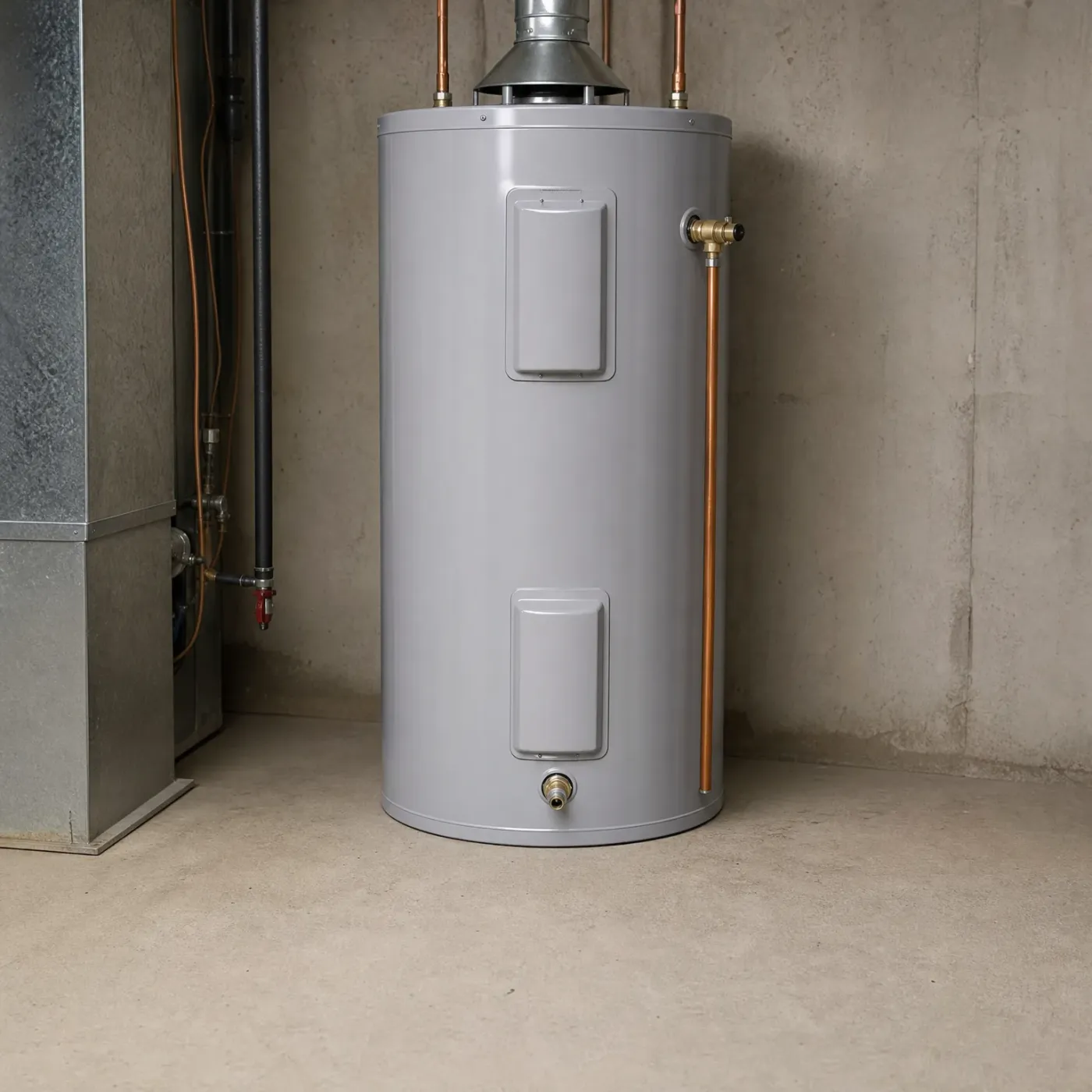
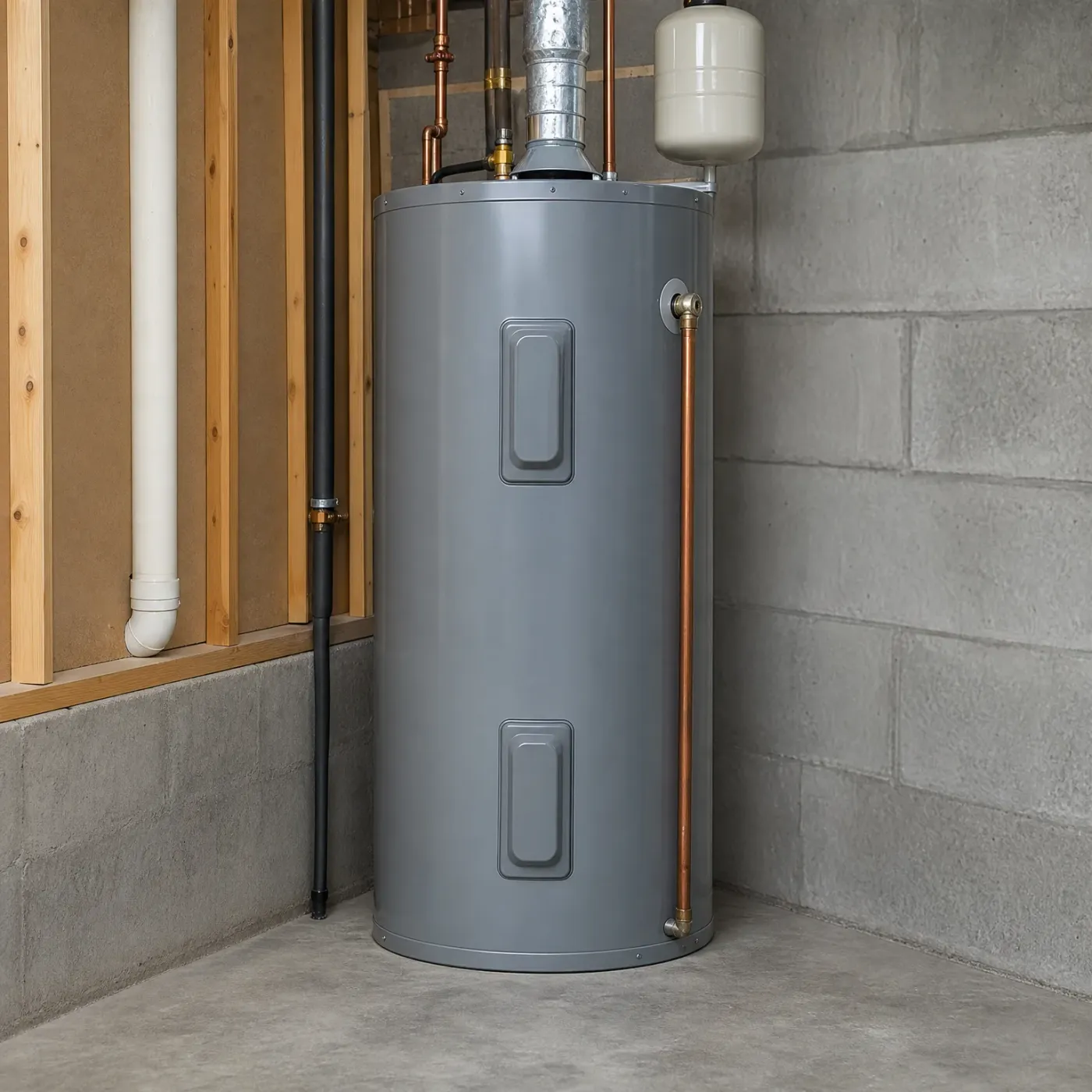
A gray cylindrical water heater with copper piping and a flue stands on a concrete floor in a basement corner beside ductwork and metal equipment.
An electric tank like this one is what a heat pump water heater replaces, drawing the same power but using several times more of it to do the job.
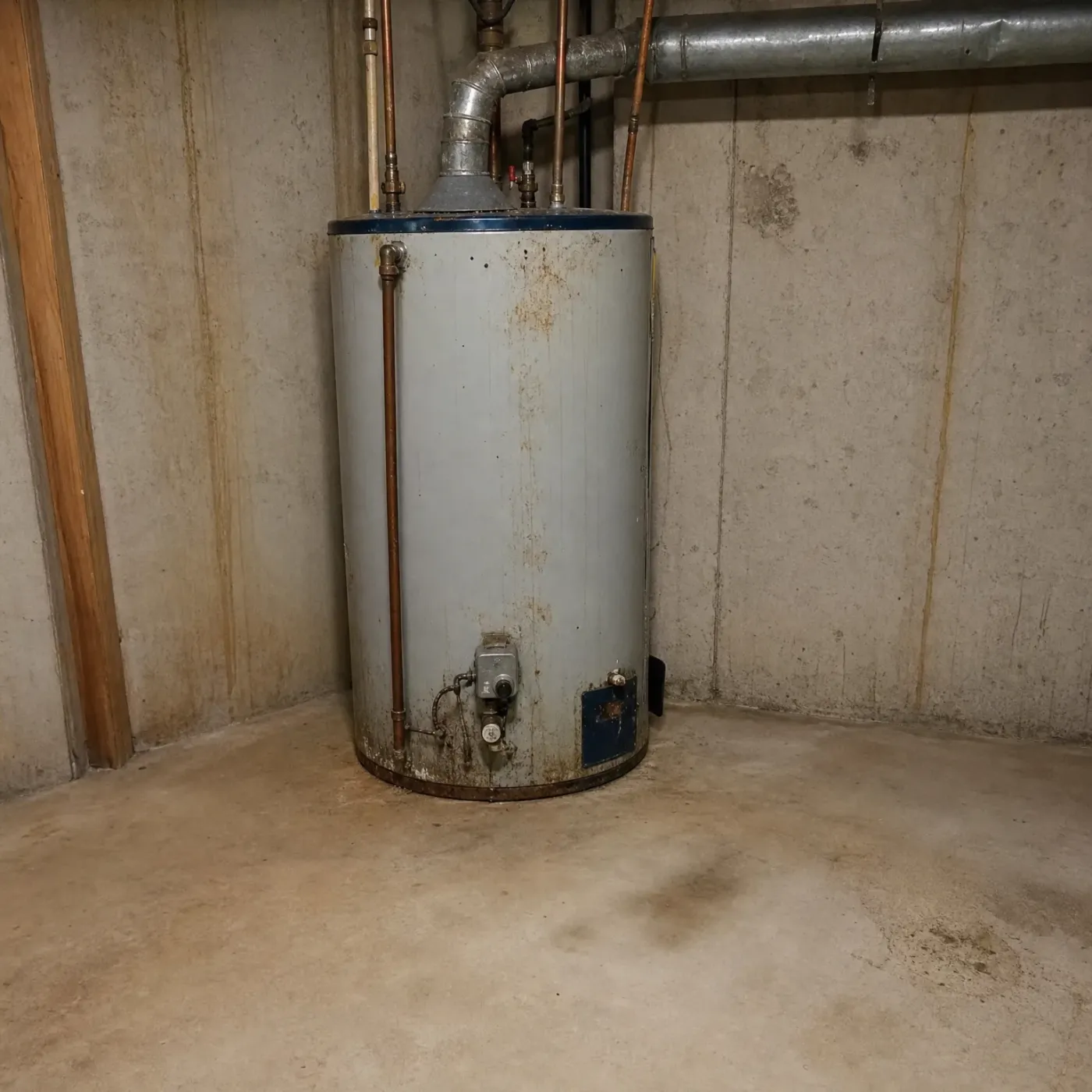
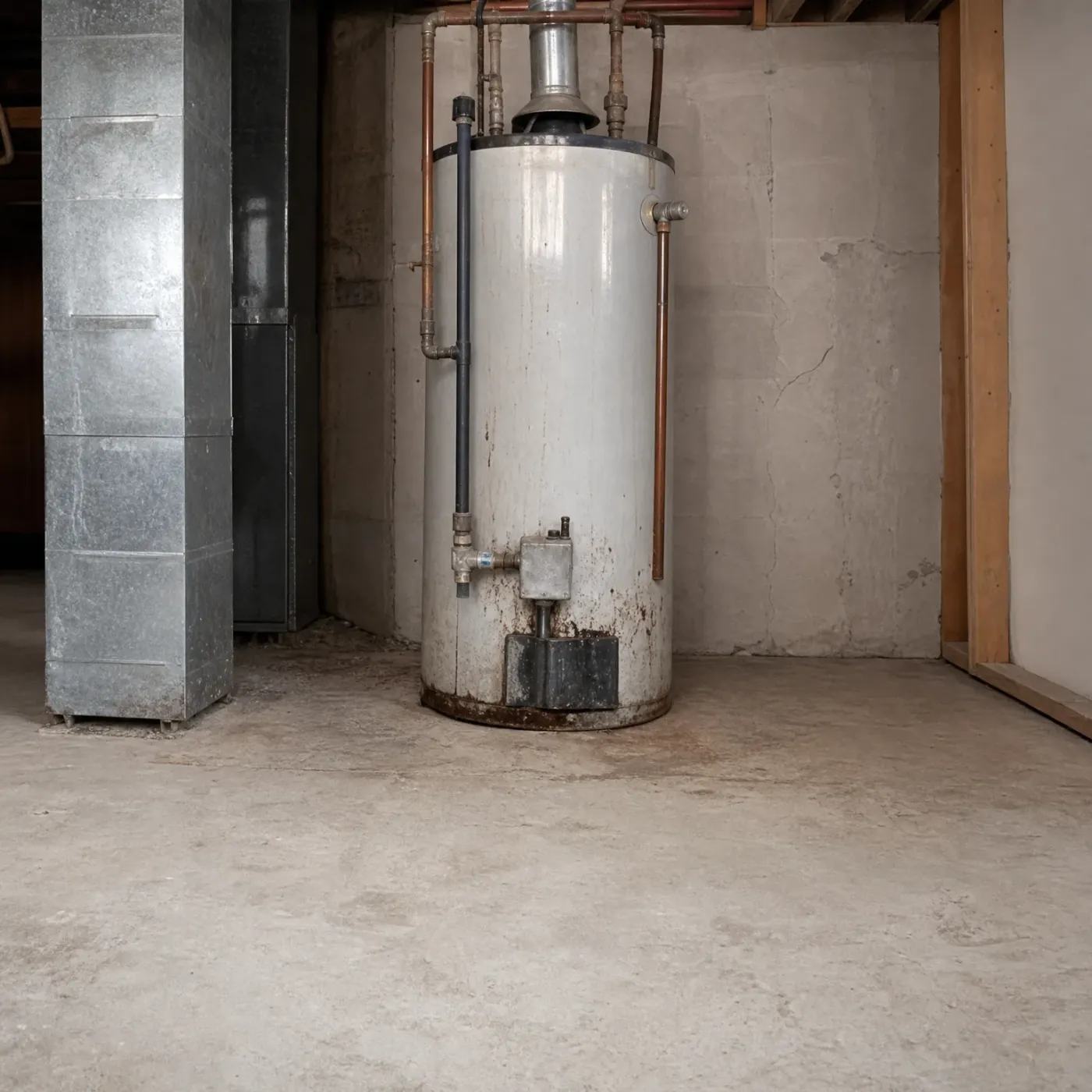
An aging gas water heater with rust streaks stands in the corner of a concrete-walled basement, with copper pipes and a metal flue duct running overhead.
A tank this far gone, rusted through with staining on the floor, is past repair, and whoever replaces it can put a heat pump unit in its place.
  1. Warm room air gets pulled in across the evaporator coil

  2. Refrigerant inside the coil absorbs that heat and turns to gas

  3. A compressor squeezes the gas, raising it to a higher temperature

  4. The hot refrigerant passes heat into the water through a coil

Is Your Setup Right for One

Good fit

  • Your home heats with electricity, so the tank is already working against the same rates a heat pump water heater cuts into.
  • A garage or basement gives the unit room air to draw heat from, which is what it needs to run efficiently.
  • You keep up with the house and would rather plan a water heater swap than wait for the old one to fail.
  • Muggy Arkansas summers mean the space the unit sits in usually has enough warm air to pull from most of the year.
  • You want a water heater that uses less power for the same hot water, not a different way of heating it.

Not yet

  • Your water heater is in a small closet or tight space with no room for air to move around the unit.
  • The tank still has years left in it and shows no signs of leaking, rust, or failing parts.
  • Your household uses hot water in short, heavy bursts that outpace what the unit can recover in hybrid mode.
  • The space around the tank stays cold most of the year, which slows how much heat the unit can pull from the air.
  • You're not ready to have a larger unit installed in place of the one you have now.
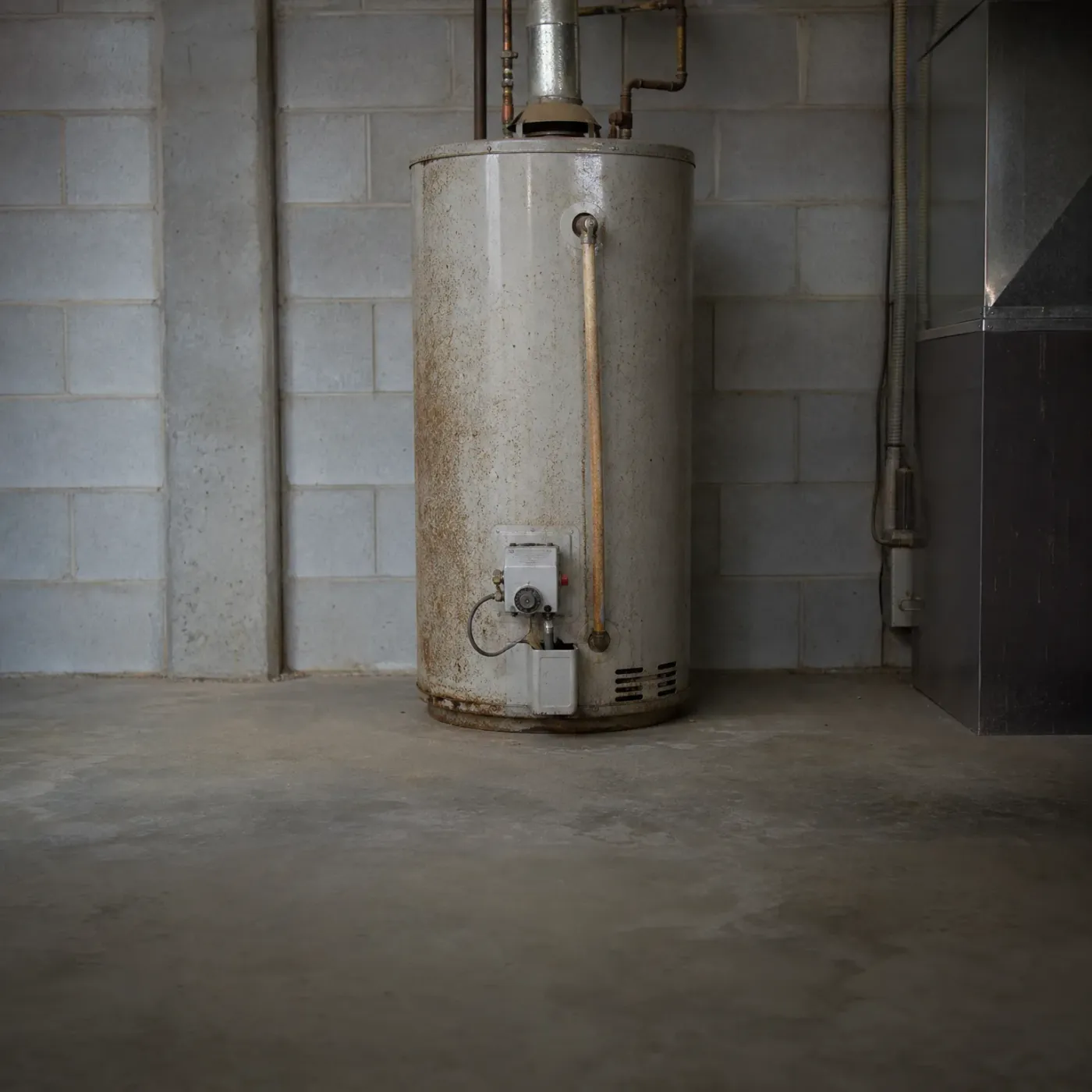
A rusted gas water heater with a flue pipe stands against a concrete block wall on a bare concrete floor, next to a dark metal duct or furnace cabinet at right.
Before you get your water heater installation
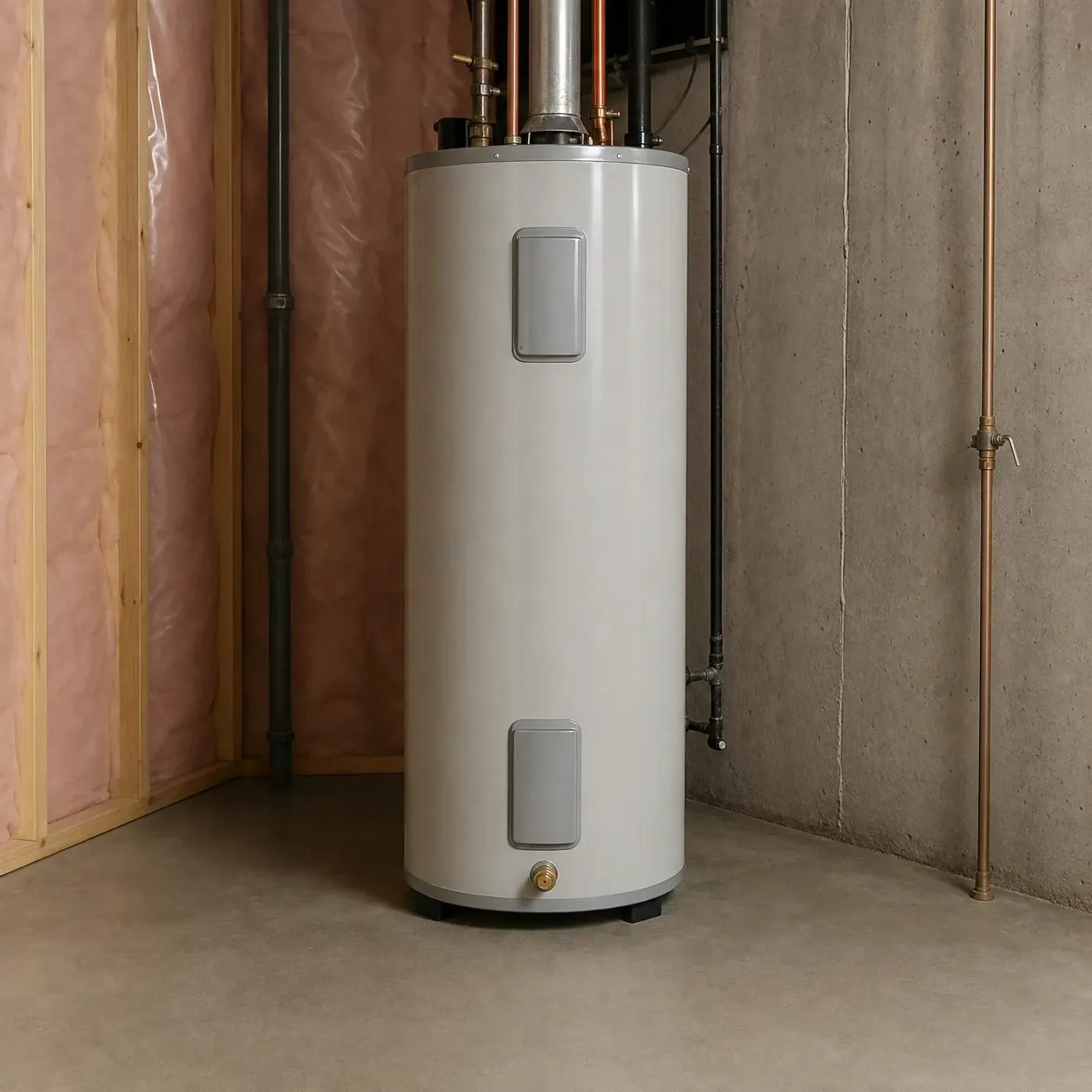
A white cylindrical water heater with two access panels and a brass drain valve stands on a concrete floor in a basement corner, beside a pink-insulated stud wall and a concrete wall with copper and black pipes.
After you get your water heater installation

A pro who works on water heaters

After this form, you can stop searching for a water heater pro.

No fee to send it, and nothing to sign.

What that electric tank is costing you

A standard electric water heater makes heat with resistance elements, the same way a toaster does. Every unit of electricity it uses turns into one unit of heat in the tank, no more. A heat pump water heater moves existing heat from the room instead, so it can deliver two or three units of heat for every unit of electricity it draws. Since power here already runs the tank you have now, that difference lands directly on your bill, month after month, without you changing how you use hot water. The room the unit sits in also cools and dries slightly as it runs, since it's pulling heat out of that air to put into the tank.

Where the unit earns its keep

A garage holds heat loss better than a closet would, and it stays warmer than outdoor air through an Arkansas winter, which matters because the unit needs room air above roughly the mid-40s to draw heat from efficiently. A basement works the same way, often even steadier in temperature across the year. Muggy summers actually help here, since warm, humid air carries more heat for the coil to pull from, and the unit drying that air out as it runs is a side benefit in a space that tends to stay damp. A contractor sizing the installation will look at the room itself, not just the tank, to confirm it has enough air volume to draw from.

53.7% of homes statewide heat with electricity

If your home is one of the 53.7% here that heats with electricity, your water heater is likely electric too, on the same rate. A heat pump water heater cuts into that bill directly, since it moves heat into the tank instead of making it from scratch.

ACS 2020-2024 5-year B25040

A gray cylindrical water heater with copper piping and an expansion tank stands in a basement corner beside a concrete block wall and exposed wood framing.

A tank running the way it should

This electric water heater sits connected and upright, feeding off the same copper and PVC lines as a heat pump unit would. The expansion tank above it is a good sign. A heat pump water heater can go in this same spot and draw on the room air around it.

An old rusting cylindrical gas water heater with copper and steel pipes and a flue stands against a concrete basement wall beside metal ductwork on a bare concrete floor.

A tank past the point of saving

Rust like this on the tank and staining on the floor below means the unit is failing, not just aging. Whatever replaces it, electric resistance or heat pump, has to go in now. This is the moment to decide which one.

A woman in a cream cardigan and jeans stands with one hand raised facing an open front door of a gray horizontal-siding house, with a black lantern wall light, a potted shrub with yellow flowers, and a stone-faced porch column.

Worth doing, if the spot for it is right

A heat pump water heater makes sense in Arkansas because of what it replaces. Most homes here already heat with electricity, and a standard tank spends that electricity the slow way, turning every unit into heat with resistance elements. A heat pump unit moves heat instead of making it, so the same bill shrinks without changing how hot water shows up at the tap. The question was never whether the technology works here. It does. The question is whether your water heater sits somewhere with enough room air to draw from, and whether the setup around the old tank can take the new one.

That part is worth having someone look at before anything gets ordered or installed. Once you send a request through this page, a contractor who handles this work reaches out to you directly, and looking at your tank, your space and what it would take becomes their job instead of something you have to figure out on your own.

A living room corner with a light beige sofa holding a textured taupe cushion, a large ceramic vase of olive branches by a window, a framed neutral artwork on the wall, and a dark bowl with stacked books in the foreground.
At dusk, a dark board-and-batten house with a standing-seam metal roof and lit entry walkway of stone pavers, with two large outdoor heat pump units on a stone-walled pad at right and trees and hills in the background.

Water Heater Installation

Get your water heater to the right pro

Step 1 of 3: Equipment
  • A corner of a room with an upholstered wood-framed armchair holding a floral pillow, a round side table with a ceramic lamp, books and a vase of greenery, a framed landscape painting on the wall, a patterned rug, and a sunlit multi-pane window.
    • Say what's going on with your water heater, and a pro who works on them reaches out.
    • A local pro who knows water heaters gets your details and gets in touch.
  • Interior corner with a wood-framed window showing green foliage outside, a framed landscape print on a beige wall, and a rounded stone vase of leafy branches on a wooden cabinet.
    • Send it once and finding someone is no longer on you.
    • Send the form and stop researching installers for the new water heater.
  • A pale ceramic vase holding olive branches sits on a dark wooden countertop beside a carved wooden dough bowl, next to a wood-framed window and a light painted plank wall.
    • Skip collecting and comparing quotes for the new water heater.
    • Skip searching for a water heater pro and answer a few questions instead.
  • A dark wood round side table holding a brass lamp with a cream shade, a blue-and-white patterned bowl, and a white textured pot of greenery, beside an upholstered chair with a gray patterned cushion and a white-framed window showing green trees and flowering shrubs.
    • Your request goes to one pro, not a list of companies.
    • One installer gets your project, so there's no bidding war over it.