
Tell us about the job
Takes about a minute. No obligation.
A contractor quoting a water heater replacement in Perry County starts with the electrical service, not the tank. Electricity heats more occupied homes in Perry County, Arkansas than any other fuel, at 70.8% (2020-2024 ACS 5-year). With electric resistance heating dominant across the county's housing stock, the service panel is already carrying a heavy load, and adding a high-draw water heater means the contractor has to verify that the panel can handle it before specifying anything. An undersized circuit forces a second visit and a second bill. The wiring, the breaker size, and the available ampacity are part of the installation scope here in a way they are not everywhere.
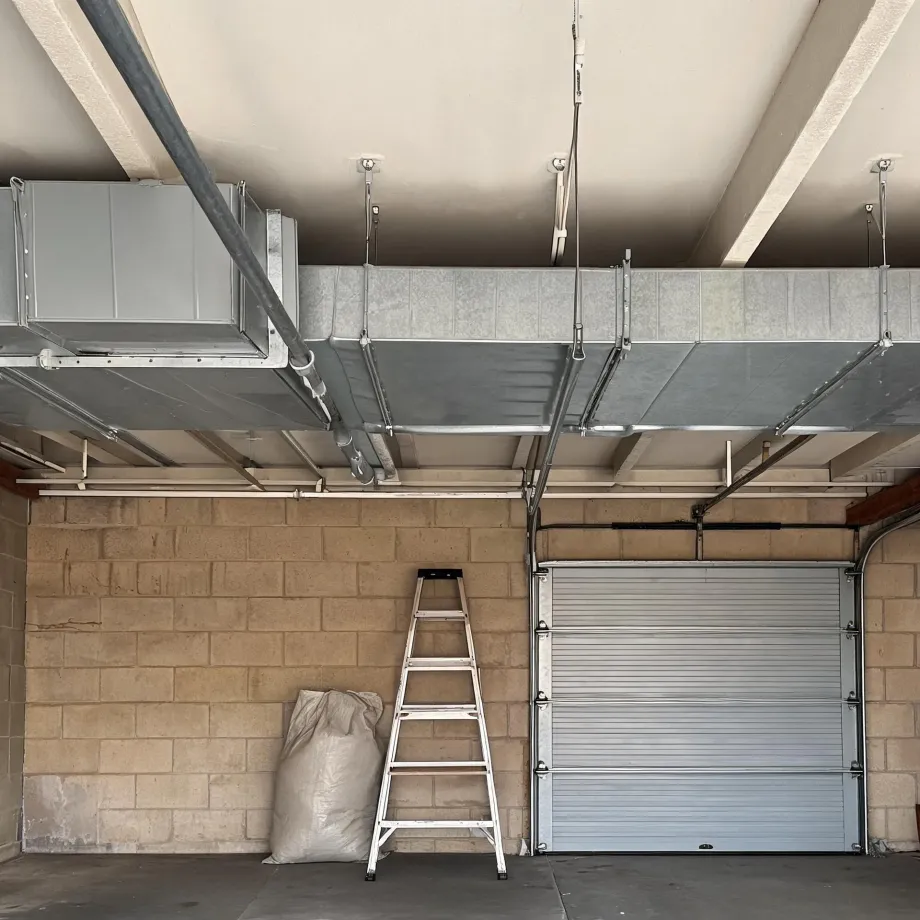
Ductwork laid down when much of this housing was new was sized for equipment with different output and different clearance requirements than what a contractor brings in today. Half the homes in Perry County, Arkansas were built in 1989 or earlier (2020-2024 ACS 5-year). That gap between what the house has and what a new water heater needs is where the installation either goes smoothly or stalls. A contractor working in stock like this checks the existing runs and connections before settling on a unit, because the choice of equipment follows what the house can actually support.
What a New Water Heater Installation Covers
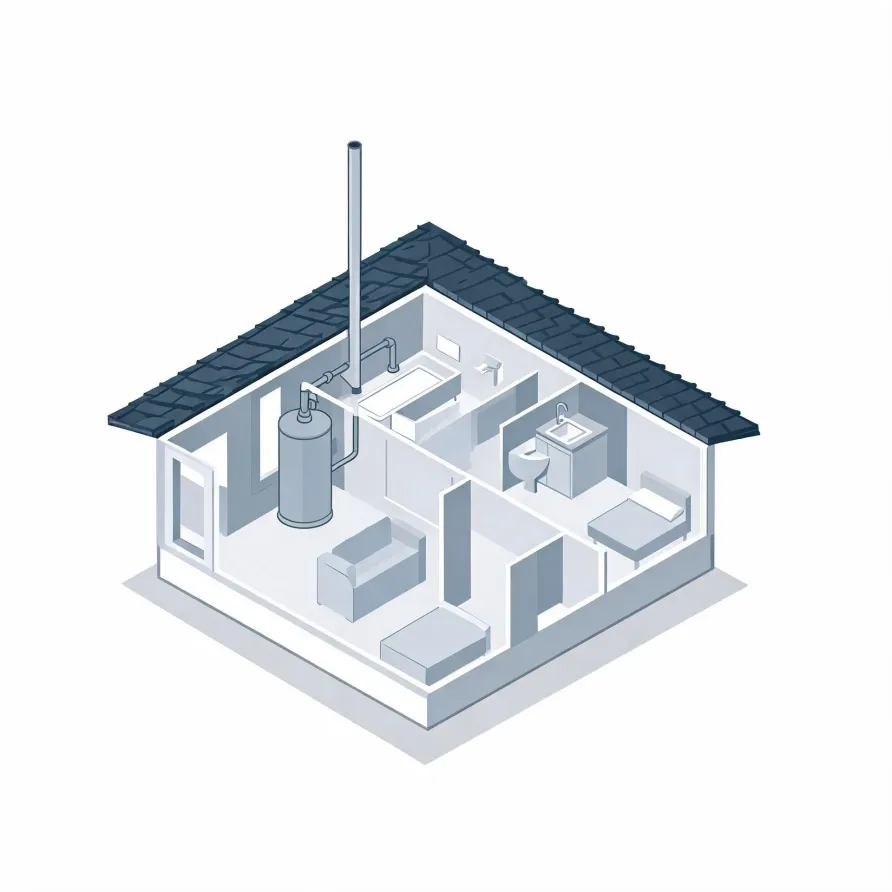
The storage tank is the piece most homeowners recognize right away. It sits in a utility closet, basement, or garage and holds water at a set temperature until a tap calls for it. The burner assembly or heating element lives inside or beneath the tank and is what actually raises the water temperature.
The pressure relief valve mounts on the side of the tank and is a required safety component that releases if pressure inside climbs too high. A dedicated supply line brings cold water in, a hot water outlet carries it out to the rest of the house, and a drain valve at the base of the tank gives the contractor access during the install.
The drawing shows a typical water heater layout, and a licensed contractor determines exactly what applies to your home.
Find a contractor in Perry CountyPerry County, Arkansas, by the numbers
58 severe weather events were recorded in Perry County, Arkansas between 2015 and 2024.
NOAA National Centers for Environmental Information, Storm Events Database, bulk CSV export, events 2015-01-01 through 2024-12-31.Half the homes in Perry County, Arkansas were built in 1989 or earlier (2020-2024 ACS 5-year).
U.S. Census Bureau, 2020-2024 American Community Survey 5-Year EstimatesPerry County, Arkansas holds 4,972 housing units (2020-2024 ACS 5-year).
U.S. Census Bureau, 2020-2024 American Community Survey 5-Year EstimatesOwners occupy 80.4% of the occupied homes in Perry County, Arkansas (2020-2024 ACS 5-year).
U.S. Census Bureau, 2020-2024 American Community Survey 5-Year EstimatesSevere Weather Events in Perry County
Extreme weather puts a steady load on water heating equipment, driving it harder and cycling it more often than manufacturers plan for in mild climates. How much stress a unit absorbs over its life is a local question, and the record for Perry County shapes the answer.
58 severe weather events, 2015–2024. Source: NOAA National Centers for Environmental Information, Storm Events Database.