Water heater pilot light keeps going out in Arkansas
Send the request today and stop worrying about who to call.
A pilot that won't stay lit usually means one of a few things: a dirty or failing thermocouple, a draft hitting the burner chamber, or a thermocouple that's just worn out after years of service. Sometimes it's a clogged pilot orifice. None of these fix themselves, and relighting it every few days isn't solving anything.
Since most homes in Arkansas heat with electricity, that water heater is probably running on gas by itself, separate from the furnace. It's easy to overlook until the hot water doesn't show up. A gas water heater has no backup for a pilot that's out, so once it goes, it stays out until someone deals with the actual cause.
Finding the right contractor for this usually takes some digging: checking licenses, reading reviews, calling around for availability. That work is already done here. The contractor who gets your request is licensed to work in Arkansas and works on water heaters like yours regularly, including the pilot and thermocouple assemblies that cause this exact problem.
You'll hear from one contractor, not five. No juggling quotes or fielding calls from companies you didn't choose. Just someone local who already knows what tends to fail on these units and how to check it properly.
Send the request and the search is off your plate. Someone who does this work moves it forward from there.
A pilot light that won't stay lit almost always comes down to the thermocouple, the small copper rod that sits in the pilot flame and tells the gas valve it's safe to keep gas flowing. Once it weakens or sits coated in soot, it stops reading the flame right and shuts the gas off within seconds of you letting go of the knob. A draft from a vent or a nearby door can blow the pilot out the same way, and a clogged pilot orifice can starve it until it dies on its own. Most homes here heat with electricity, so this water heater is likely the only gas appliance you deal with, which is part of why a flickering pilot catches your attention the moment it starts. None of these are things to keep relighting over and over. A thermocouple is a cheap, fast swap for someone who knows the gas valve, and leaving it be just means more evenings without hot water.
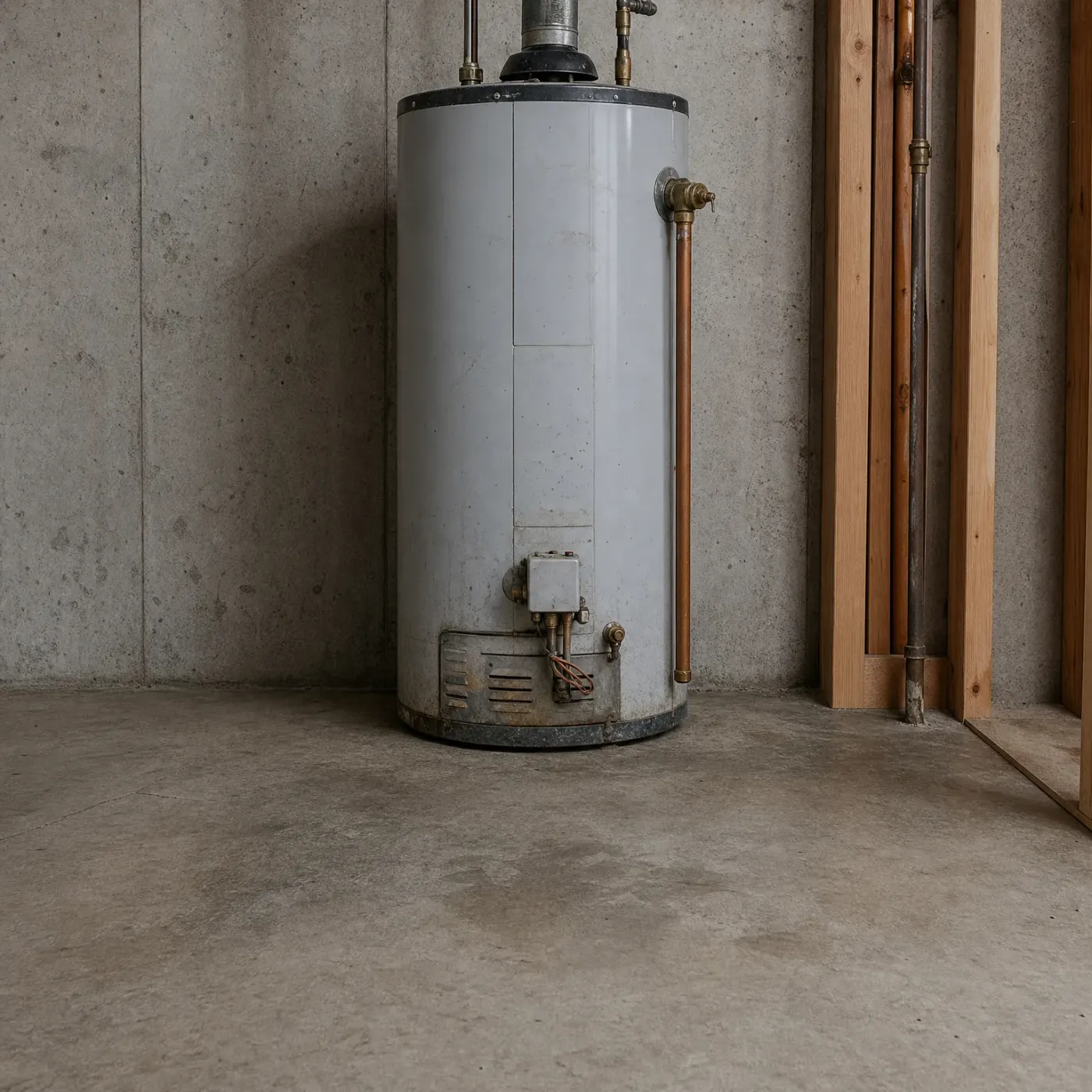
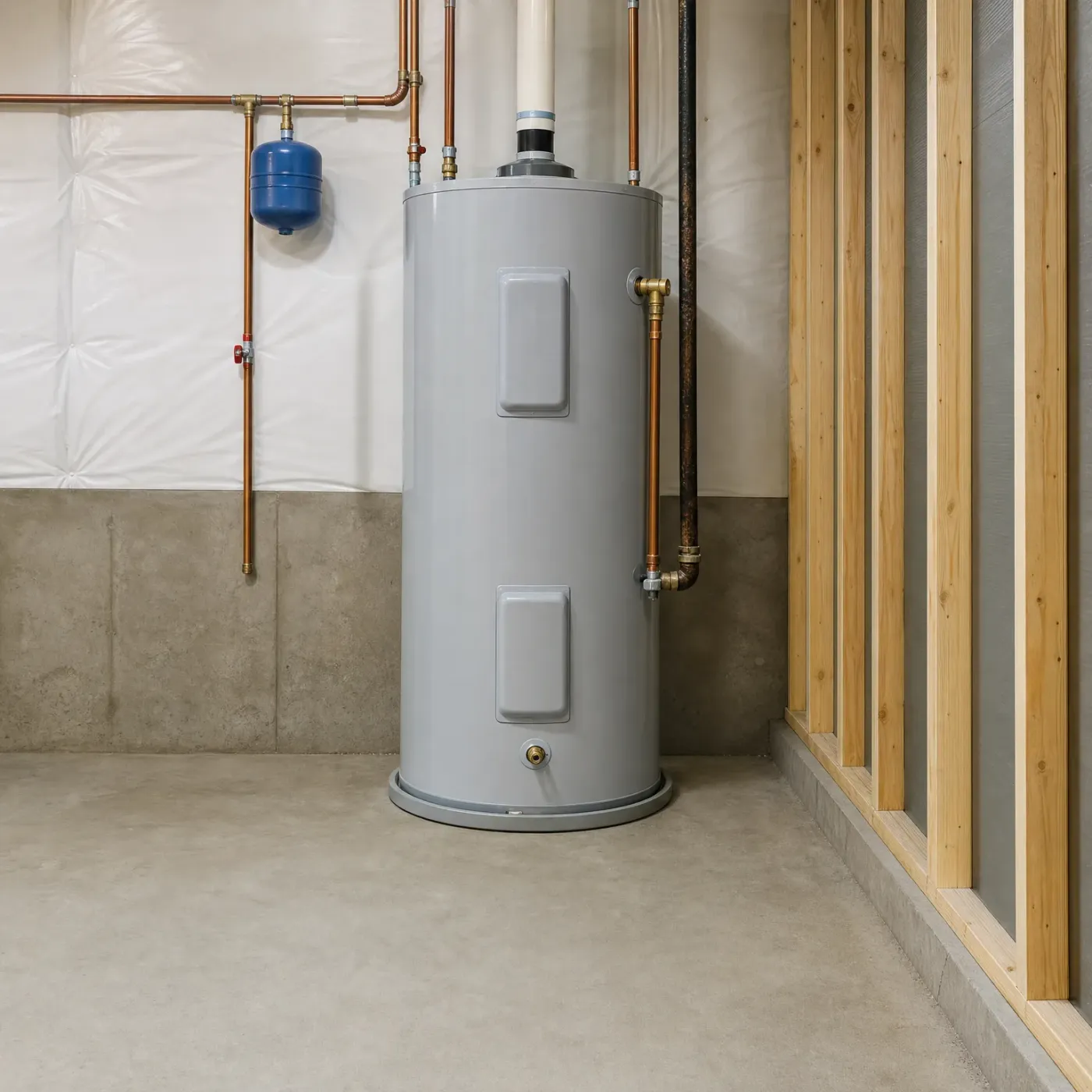
Before you get your water heater repairAfter you get your water heater repair
The gas valve won't keep feeding the pilot unless the thermocouple tells it the flame is there. That reading only happens if the flame covers the tip fully and steadily. A flame pushed off to one side, or weakened by age, still lights but can't hold the signal, so the valve cuts gas after a few minutes like it's supposed to. That's why the outage rarely happens the same way twice. One night it goes out right after lighting, another night it holds for a while first. The pattern can also come from the thermocouple's connection at the valve working loose rather than the rod itself failing, and from the valve's own thermocouple port wearing down, which is why swapping the thermocouple alone sometimes doesn't fix it for good. A draft is a separate cause entirely, and it usually leaves a mark, a scorched spot or a flame that sits at an angle inside the burner chamber instead of standing straight. Figuring out which of these is happening means looking at the flame itself, not just relighting it and hoping.
What's Actually Happening at the Pilot
The thermocouple only works if the pilot flame fully engulfs its tip, so a flame bent sideways by a dirty orifice won't hold the connection.
A failing thermocouple can light the pilot and hold it for a few minutes before the gas valve shuts it off again on its own.
Soot and dust build up on the thermocouple tip slowly, so the outages often get more frequent over several weeks before the pilot stops holding at all.
A loose connection where the thermocouple screws into the gas valve can cause the same on and off pattern as a worn-out one.
Some gas valves have a thermocouple port that wears out faster than the thermocouple itself, which keeps the problem coming back after a replacement.
A draft strong enough to blow out the pilot usually leaves scorch marks or a shifted flame pattern inside the burner chamber.
Hand off the water heater problem
The pro who reaches out is licensed in Arkansas.
Send the request today and let a water heater pro reach out to you.
Why does the pilot go out every time you reach for hot water?
You turn the knob and get cold water, or water that's lukewarm at best, and you already know before you check that the pilot's out again. Maybe you've relit it twice this week. The flame might catch fine and hold for a minute, then die the second you let go of the knob. Or it stays lit a few days and quits again with no pattern you can find. Either way, every house on electric heat near you still runs water heaters on gas, and a pilot that won't hold means no hot water until someone relights it, and no hot water at all if the thermocouple's failed enough that the valve won't let gas through. Left alone, that's cold showers until you deal with it.
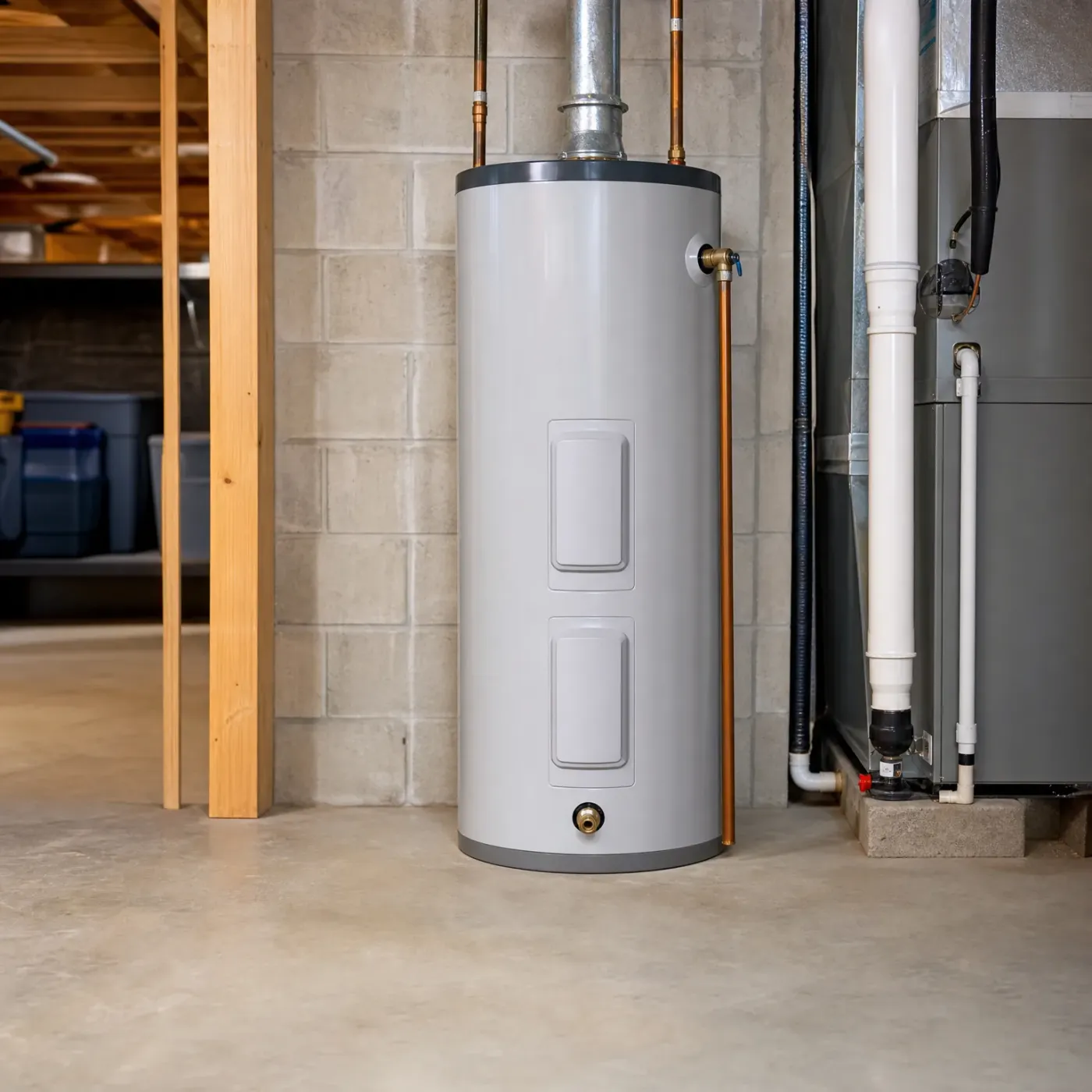
Water heater running right
The pilot stays lit, the burner fires on its own schedule, and the tank keeps up with whatever you ask of it. No rust streaking down the jacket, no soot around the access panels. This is what a water heater looks like when the thermocouple is still reading the flame correctly.
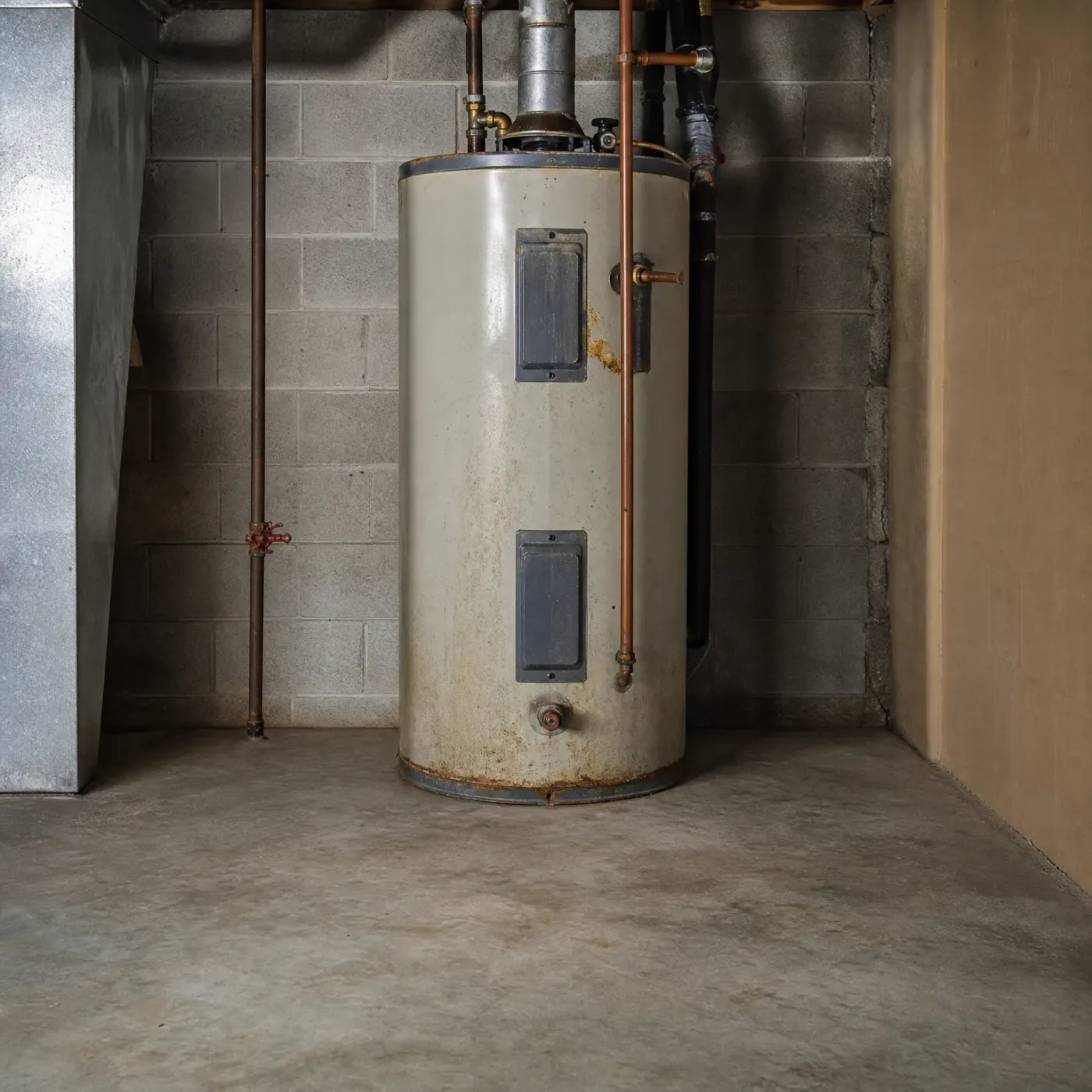
Water heater on its way out
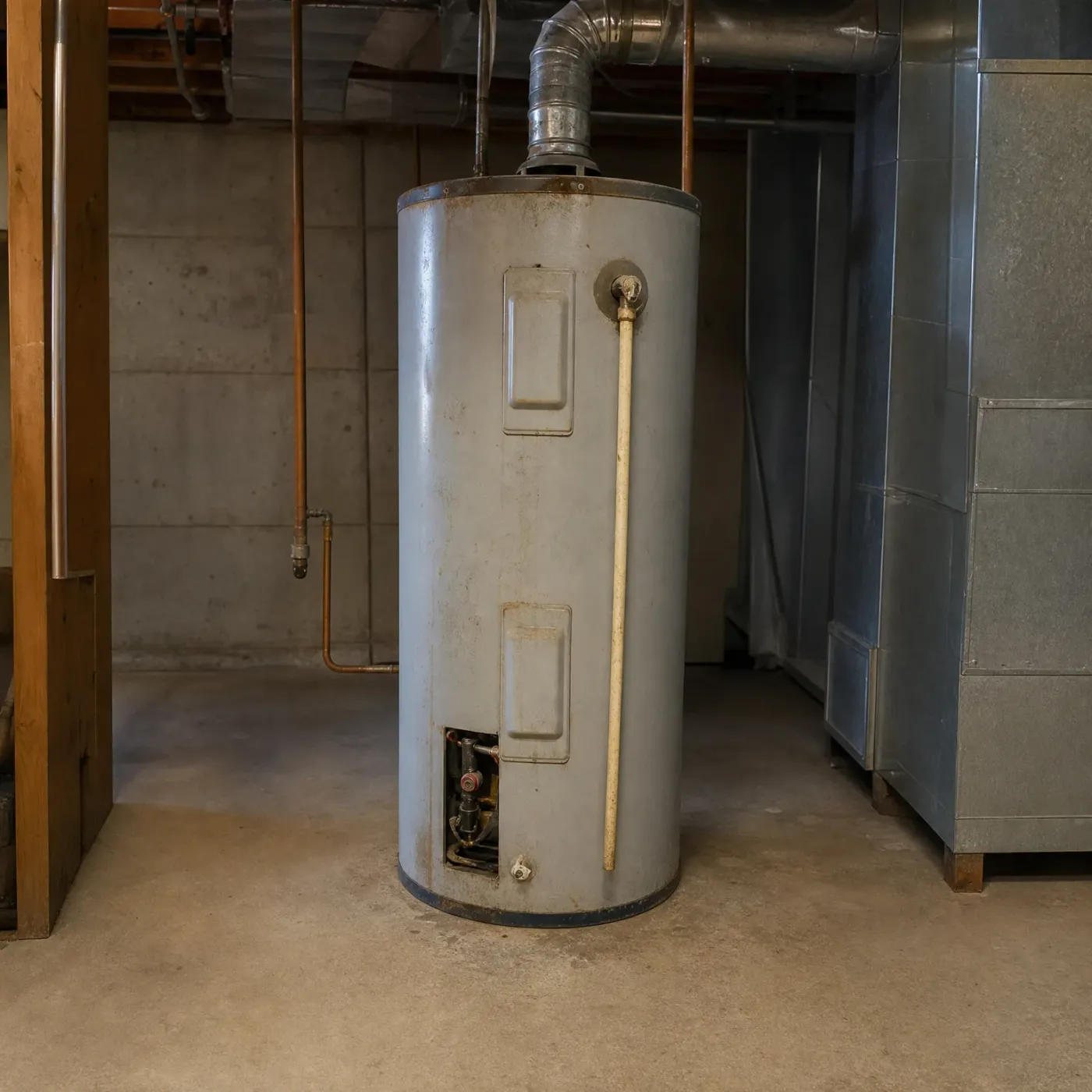
Rust has worked through the outer jacket and the panels show the same wear. A unit in this shape has likely had a struggling thermocouple for a while, relit over and over until the gas valve stopped responding at all. Corrosion like this tends to reach more than just the pilot assembly.
53.7% of homes statewide heat with electricity
Most houses around you run on electric heat, not gas, so the furnace is likely off your gas line entirely. That usually means the water heater is the only thing in the house still burning gas and holding a pilot flame, with nothing else to share blame if it keeps going out.
ACS 2020-2024 5-year B25040
1
Gas flows through the thermocouple-protected valve to the pilot burner.
2
The pilot flame heats the thermocouple's tip continuously.
3
The thermocouple sends a small electric signal to the gas valve.
4
That signal holds the valve open and keeps gas flowing.
Pilot stays lit, tank heats on schedule, no rust on the jacket or soot around the access panels.
Rust spreading down the tank and a flue pipe this old are signs the thermocouple isn't the only part failing.
Where This Leaves You
A pilot that won't hold almost always traces back to the thermocouple, dirty, bent out of the flame, or just worn out.
A clogged pilot orifice or a draft reaching the burner chamber can cause the same on-again, off-again pattern.
Relighting it over and over without checking the cause just delays the same cold shower a day or two later.
Rust on the tank or a flue pipe showing its age points to more than a thermocouple problem.
A licensed local plumber can test the thermocouple's millivolt signal and know in minutes whether it needs replacing or the gas valve does.
Gas is the only thing keeping that tank running in a house otherwise wired for electric, so there's nothing else on the line to blame.
A pilot that won't stay lit is almost never random. Something specific is keeping the thermocouple from doing its job, whether that's soot on the tip, a flame bent away by a dirty orifice, or a draft finding its way into the burner chamber. Sometimes the thermocouple itself is just worn out and needs to be swapped for a new one. Relighting it tonight might get you a hot shower tomorrow morning, but it won't tell you why it went out in the first place, and the same problem will likely show up again in a few days. If you've noticed rust working its way down the tank, or a flue pipe that looks like it's been there since the house was built, the thermocouple might not be the only thing wearing out. Since most homes around you run on electric heat, this water heater is probably the only gas appliance left in the house, which actually makes the problem easier to pin down. A plumber who works on these year after year can test the thermocouple's signal directly and tell you in minutes whether that's the fix or whether the gas valve needs attention instead. You don't have to guess which one it is, and you don't have to keep relighting a pilot that's just going to go out again. One phone call puts a licensed, local plumber on the job, no guesswork, no relighting it yourself in the dark.
Water Heater Repair
Hand off the search today
Only one pro gets your request, so you hear from one company.