Tell us about the job
Takes about a minute. No obligation.
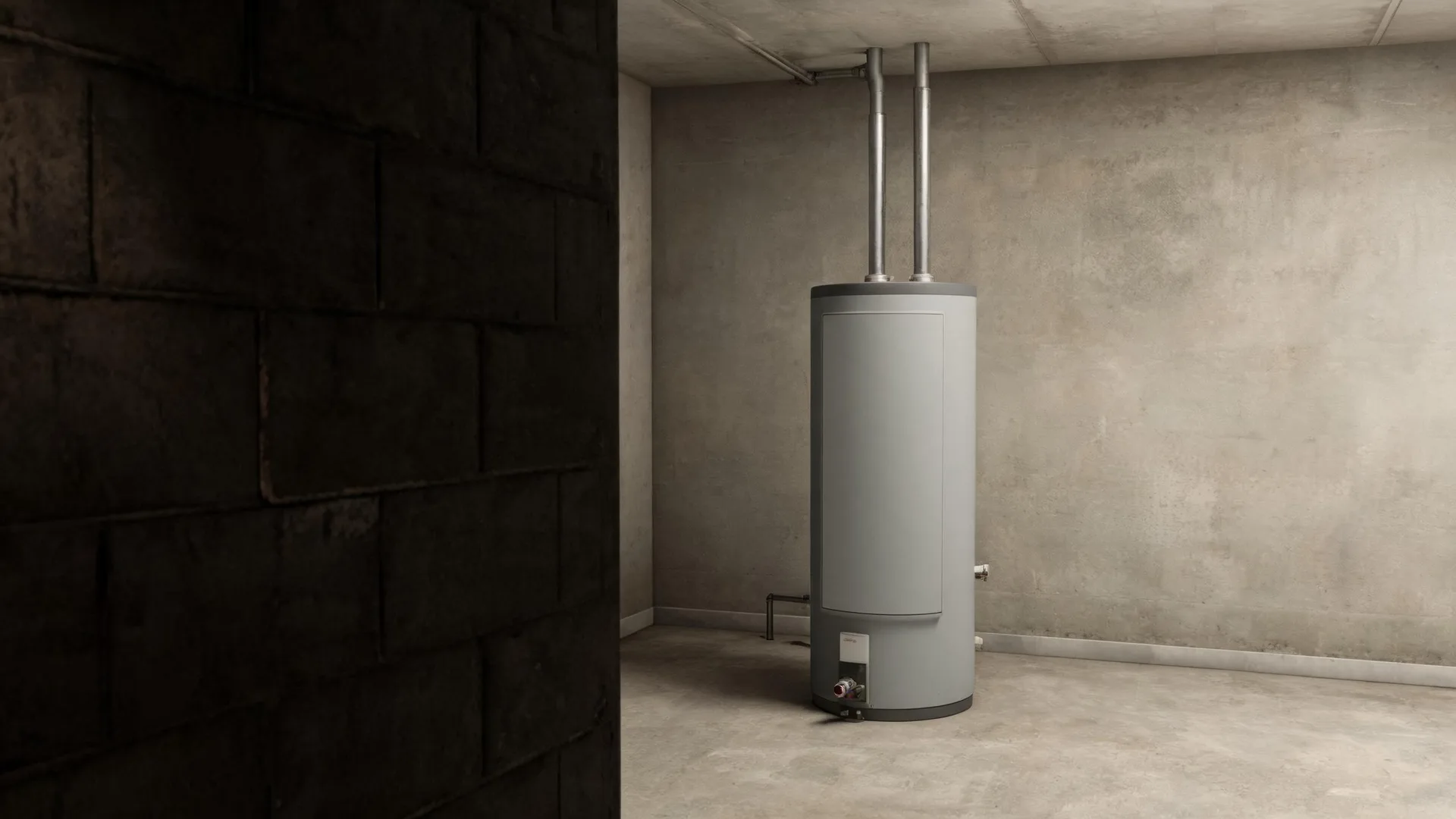
Gas-fired water heaters run their burner, thermocouple, and gas valve through every heating cycle the house demands, and in Mississippi County that means sustained, year-round load on combustion components. Utility gas heats more occupied homes in Mississippi County, Arkansas than any other fuel, at 50.2% (2020-2024 ACS 5-year). A contractor diagnosing a failed water heater here starts with the burner assembly and the thermocouple, because those parts absorb the repeated ignition cycles that gas demand drives. Sediment in the tank accelerates alongside that combustion wear, so a thorough repair call addresses both the gas train and the tank condition before any parts are ordered.
Water heaters in a house this old are rarely the model a parts supplier stocks without a special order. Half the homes in Mississippi County, Arkansas were built in 1977 or earlier (2020-2024 ACS 5-year). A system installed into housing of that vintage has often been replaced once already, which means a contractor opening the unit finds a mix of original infrastructure and later equipment that do not share a parts lineage. Valves, anodes, and control components from that era can require sourcing that adds time and changes the repair bill before any labor is counted.
The Parts of a Water Heater a Contractor Checks First
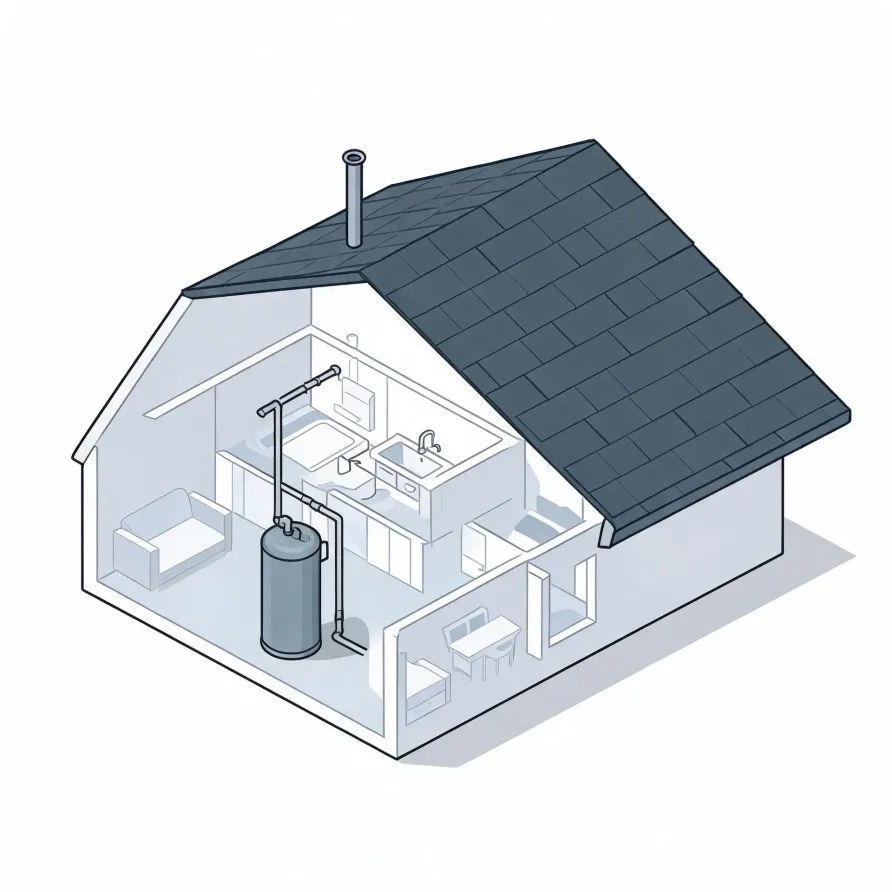
The tank is the piece a homeowner notices first, usually standing in a utility room, basement, or garage closet. It holds the water and houses the heating element or burner at its base. When hot water runs out fast, arrives lukewarm, or stops coming altogether, the tank and its heating components are where a contractor starts.
The pressure relief valve sits on the side of the tank and opens if pressure inside climbs too high. The anode rod runs down through the tank's interior and slows corrosion from the inside out. The supply and outlet connections at the top move cold water in and hot water out, and worn fittings or faulty valves there can cause leaks that look worse than they are.
The drawing shows a typical water heater layout, and a licensed contractor determines which parts apply and what work they require in your specific home.
Find a contractor in Mississippi CountyMississippi County, Arkansas, by the numbers
126 severe weather events were recorded in Mississippi County, Arkansas between 2015 and 2024.
NOAA National Centers for Environmental Information, Storm Events Database, bulk CSV export, events 2015-01-01 through 2024-12-31.Half the homes in Mississippi County, Arkansas were built in 1977 or earlier (2020-2024 ACS 5-year).
U.S. Census Bureau, 2020-2024 American Community Survey 5-Year EstimatesMississippi County, Arkansas holds 19,133 housing units (2020-2024 ACS 5-year).
U.S. Census Bureau, 2020-2024 American Community Survey 5-Year EstimatesOwners occupy 60.0% of the occupied homes in Mississippi County, Arkansas (2020-2024 ACS 5-year).
U.S. Census Bureau, 2020-2024 American Community Survey 5-Year EstimatesSevere Weather Events in Mississippi County
Extreme weather puts real stress on water heaters, forcing the equipment to work harder and recover faster after every event. How much of that pressure a unit faces depends on where it sits, which is why local storm history is part of the repair picture here.
126 severe weather events, 2015–2024. Source: NOAA National Centers for Environmental Information, Storm Events Database.