Tell us about the job
Takes about a minute. No obligation.
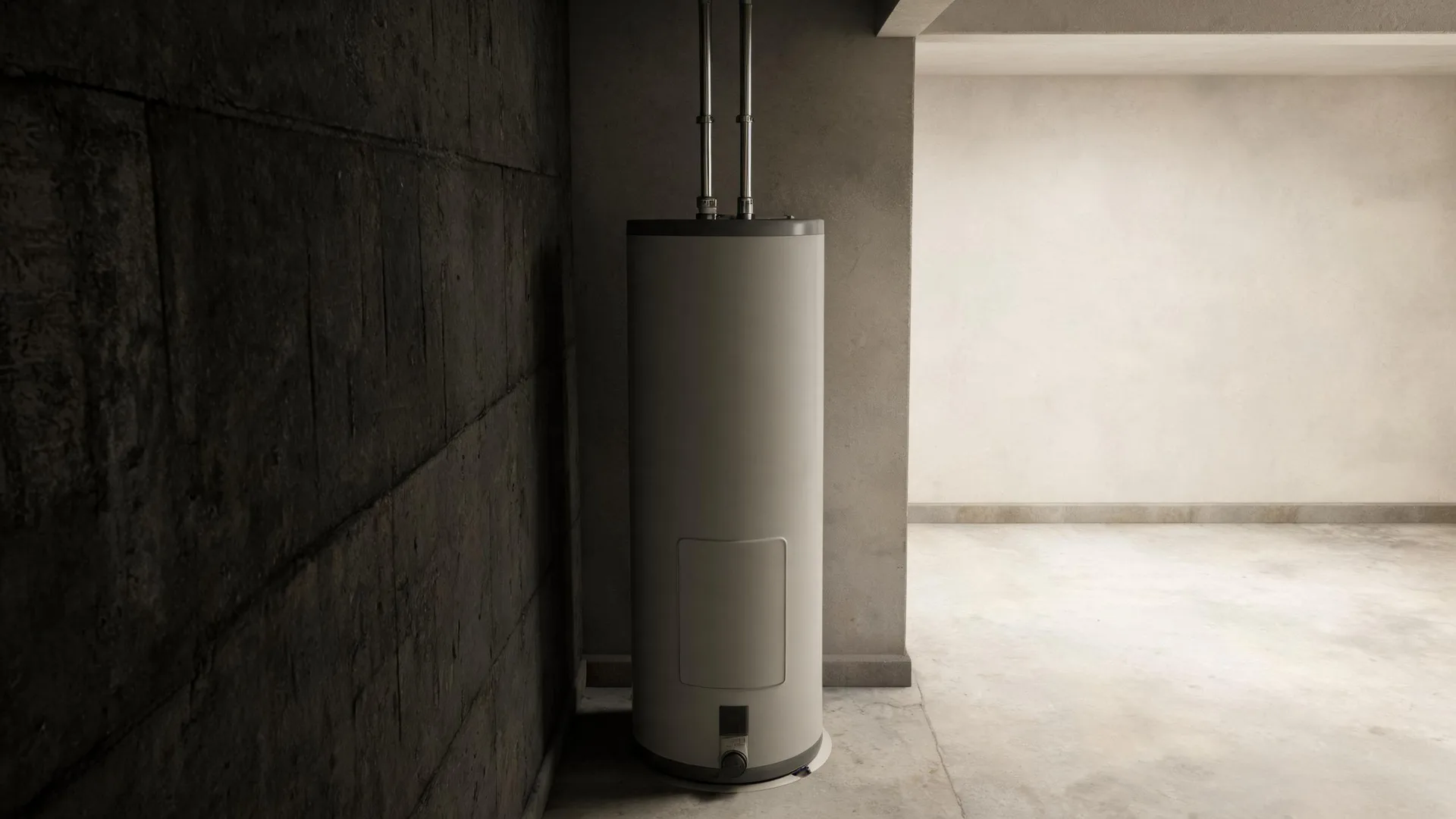
Electric water heaters put all of their heat load on a metal element submerged in the tank, and in a county where nearly half of occupied homes run on electricity for heat, that element is not an occasional piece of equipment. Electricity heats more occupied homes in Washington County, Arkansas than any other fuel, at 47.8% (2020-2024 ACS 5-year). Contractors repairing electric water heaters here look at the elements and their thermostats before anything else, because sediment from the water column coats the element over time, forcing it to draw more power to hit the same setpoint. A burned-out lower element is the repair a technician finds most often, and the thermostat that controls it is tested in the same visit.
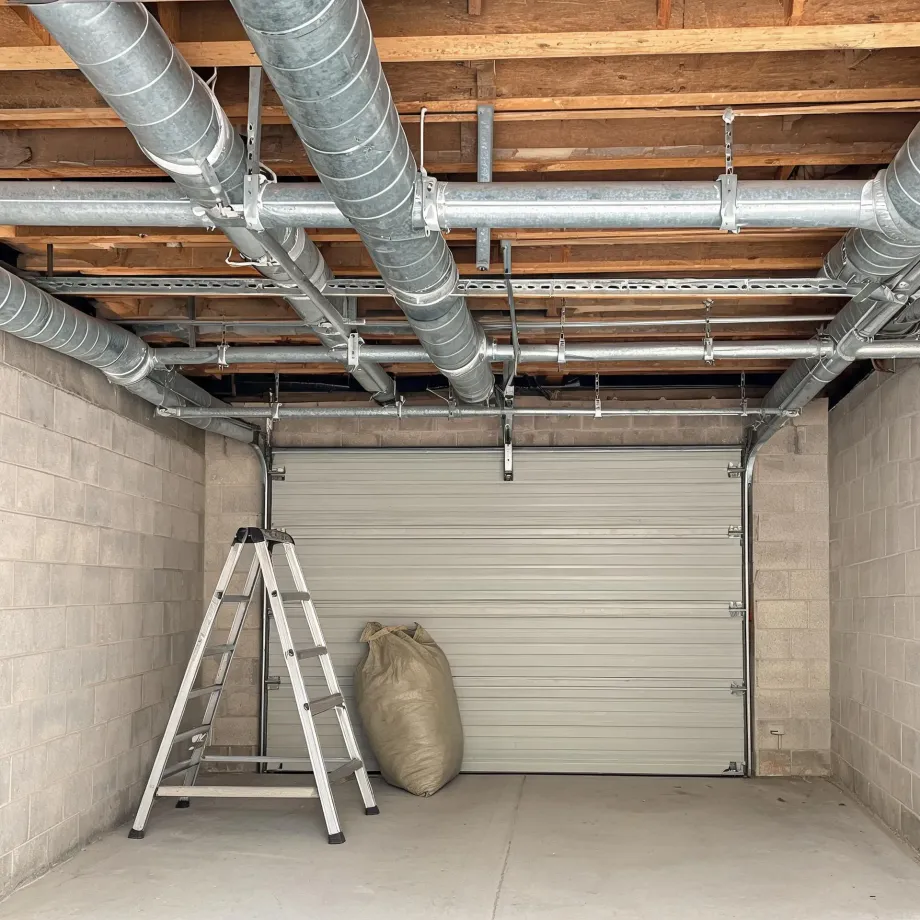
A water heater that has been sitting in a house since the original build carries a different repair picture than one dropped into new construction. Half the homes in Washington County, Arkansas were built in 1995 or earlier (2020-2024 ACS 5-year). Plumbing lines of that era were sized and fitted for equipment and pressures that predate what is in those houses now, and when a contractor opens the job, corroded supply fittings and heavy sediment loads are common findings rather than edge cases. The repair scope follows from what is physically there, and that is what drives the quote.
The Parts of a Water Heater a Contractor Checks First
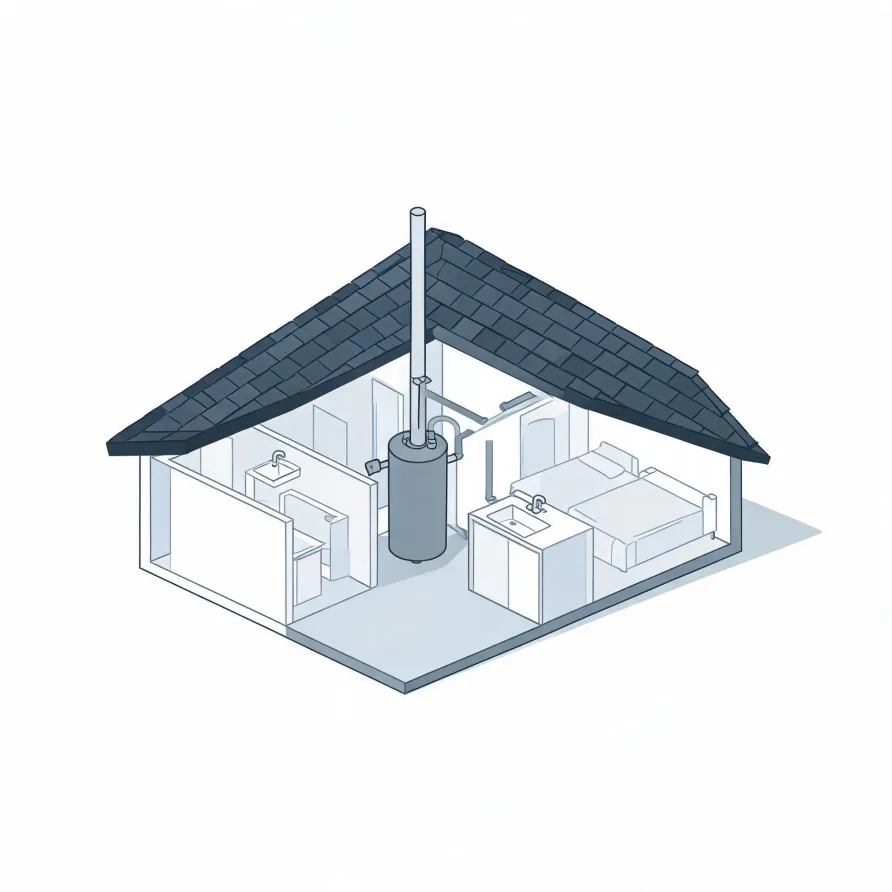
The tank is the piece most homeowners recognize, a large insulated vessel that sits in a utility room, basement, or garage and holds water at a set temperature. The burner assembly or heating element sits at or near the bottom of the tank and is what actually raises that temperature. When the water runs cold or fails to heat at all, those two pieces are where a contractor starts.
The thermostat and pressure relief valve attach directly to the tank. The thermostat tells the heating source when to fire and when to stop. The pressure relief valve is a safety device mounted on the tank's side or top that opens if internal pressure climbs too high. The dip tube and anode rod sit inside the tank itself, one directing cold water to the bottom, the other slowing corrosion of the tank wall.
The drawing shows the general layout of a water heater system, and a licensed contractor determines which parts apply to the specific unit and installation in your home.
Find a contractor in Washington CountyWashington County, Arkansas, by the numbers
250 severe weather events were recorded in Washington County, Arkansas between 2015 and 2024.
NOAA National Centers for Environmental Information, Storm Events Database, bulk CSV export, events 2015-01-01 through 2024-12-31.Half the homes in Washington County, Arkansas were built in 1995 or earlier (2020-2024 ACS 5-year).
U.S. Census Bureau, 2020-2024 American Community Survey 5-Year EstimatesWashington County, Arkansas holds 105,461 housing units (2020-2024 ACS 5-year).
U.S. Census Bureau, 2020-2024 American Community Survey 5-Year EstimatesOwners occupy 55.6% of the occupied homes in Washington County, Arkansas (2020-2024 ACS 5-year).
U.S. Census Bureau, 2020-2024 American Community Survey 5-Year EstimatesSevere Weather Events in Washington County
Extreme weather puts real stress on water heaters, forcing them to work harder and wear faster. How much of that pressure your equipment faces is a local question, and the record below reflects what Washington County has actually seen.
250 severe weather events, 2015–2024. Source: NOAA National Centers for Environmental Information, Storm Events Database.