Tell us about the job
Takes about a minute. No obligation.
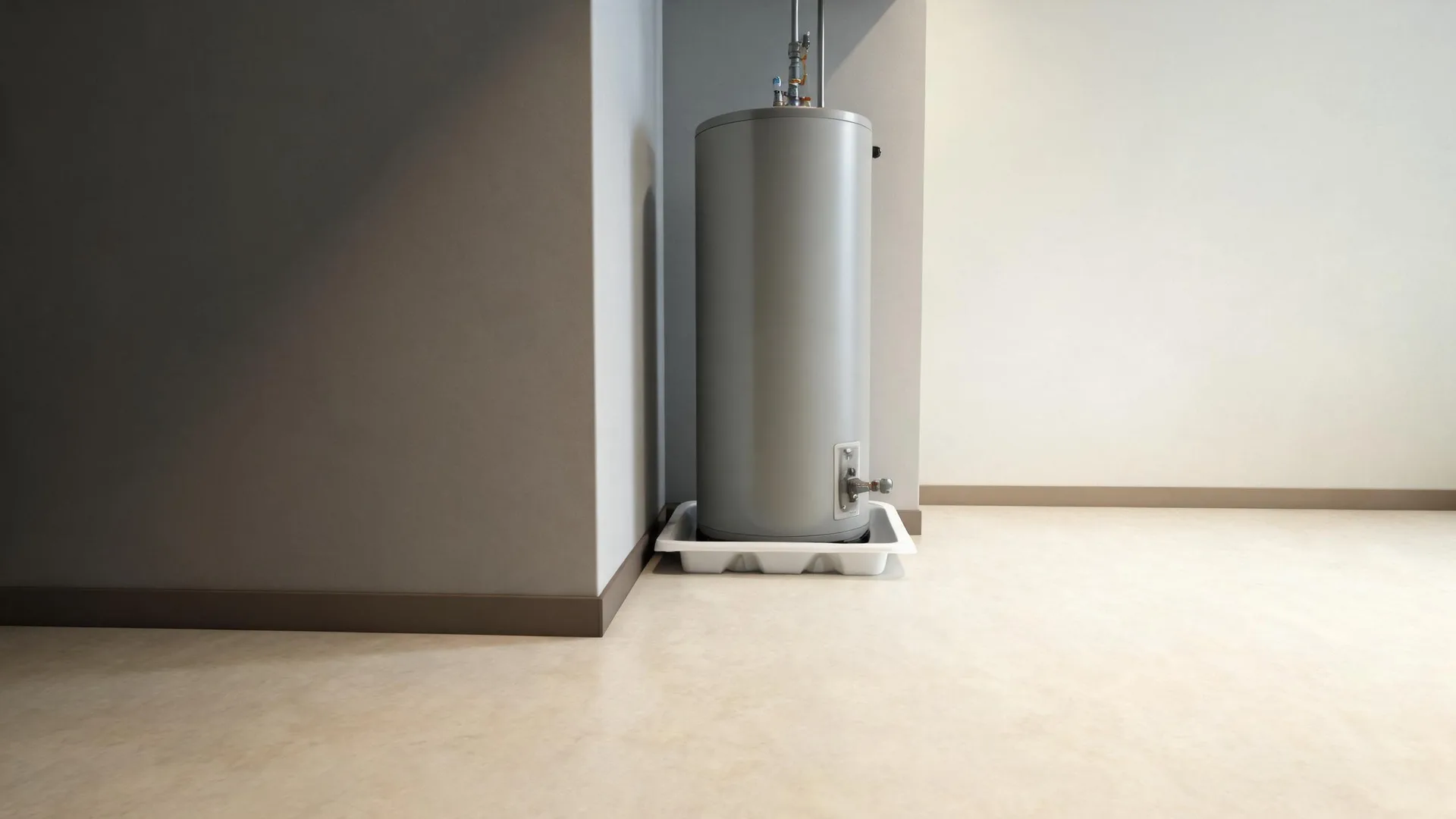
A water heater running on electricity works year-round, and in an all-electric home there is no off-season to speak of. Electricity heats more occupied homes in Drew County, Arkansas than any other fuel, at 61.3% (2020-2024 ACS 5-year). In a county where electric heating dominates at that scale, a water heater's elements and thermostat are the primary heat source for domestic hot water in most homes, cycling daily regardless of weather. A contractor called out for a repair here checks the elements first, then the thermostat and the anode rod, because those are the components that accumulate wear without any seasonal idle period. Sediment buildup accelerates element failure, and in a house where electricity runs everything, a failed water heater has no gas backup to fall back on.
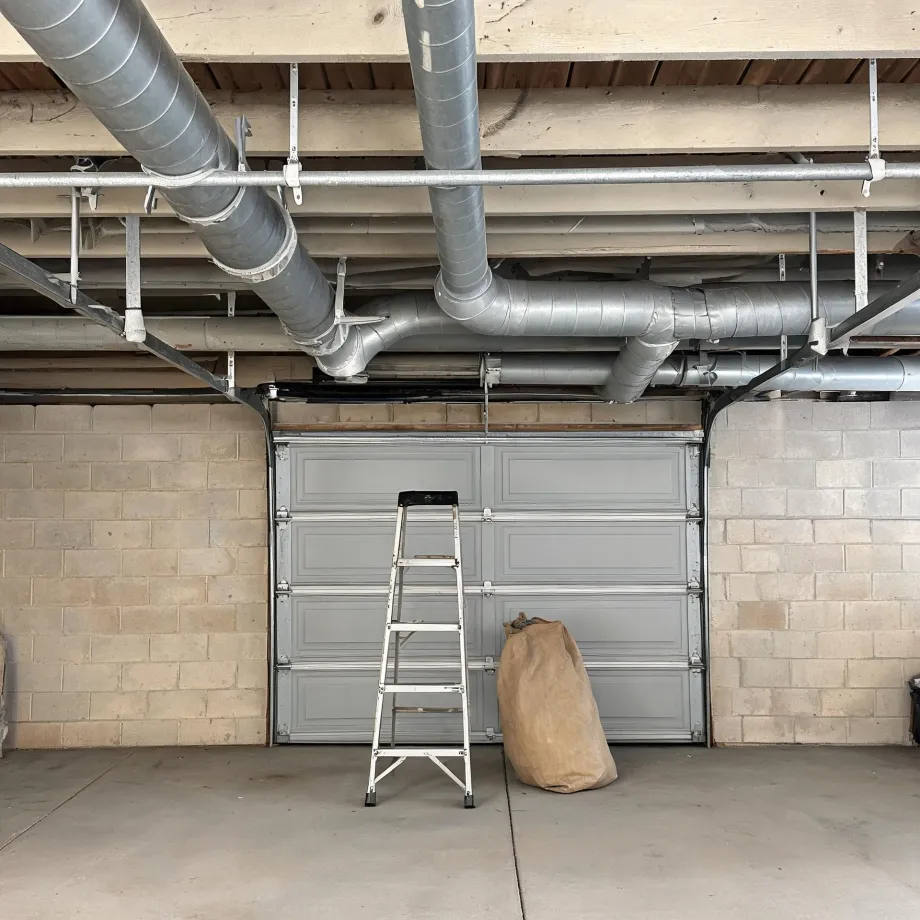
Water heaters in a house old enough to have gone through one or two replacements already may be running equipment whose replacement parts are thinning out of distribution. Half the homes in Drew County, Arkansas were built in 1985 or earlier (2020-2024 ACS 5-year). A contractor opening a unit in stock like this has to confirm whether the part the repair calls for is still being made before the scope of the job is settled. If it is not, the repair conversation becomes a replacement conversation, and that happens at the house, not before the visit.
The Parts of a Water Heater a Contractor Checks First
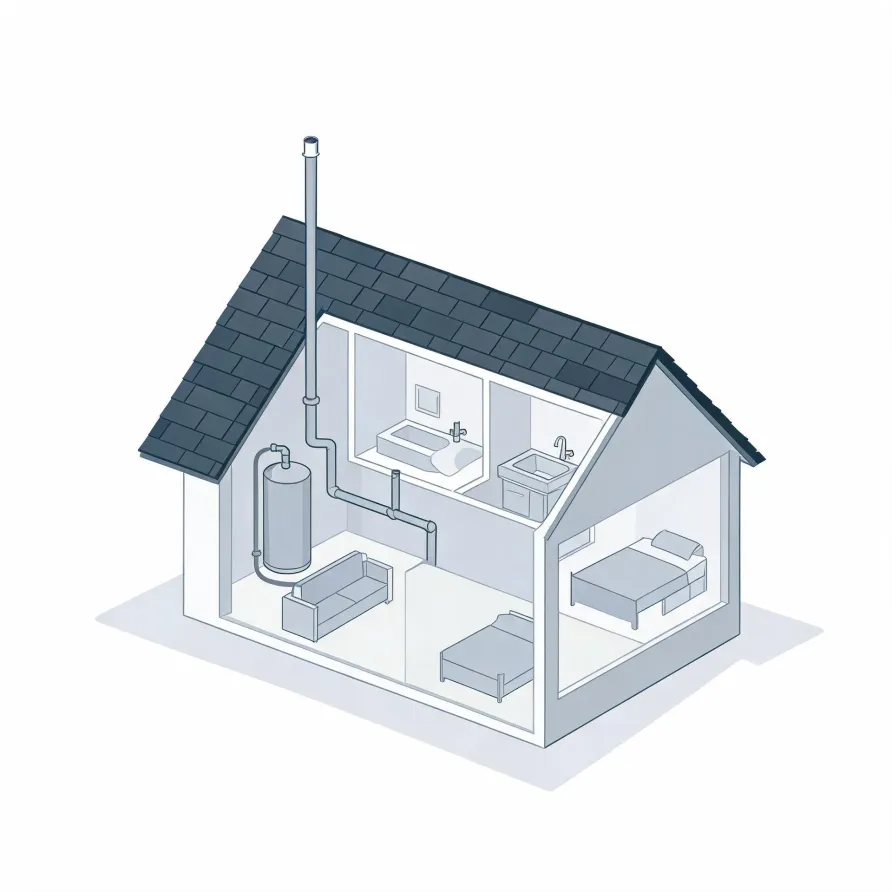
The tank is the piece a homeowner notices most readily, a large insulated cylinder sitting in a utility room, basement, or garage that holds and heats a stored supply of water. The burner assembly or heating element sits at or near the base of the tank and is where most repair calls begin, since a failure there means the water never gets hot.
The pressure relief valve mounts on the side of the tank and opens automatically if pressure builds beyond a safe point. Running from the tank to each fixture are the cold supply line that feeds water in and the hot outlet line that carries it out, and the anode rod hangs inside the tank to slow corrosion of the tank walls.
The drawing shows the general layout of a water heater system, and a licensed contractor determines exactly which components apply to the unit in your home.
Find a contractor in Drew CountyDrew County by the Numbers
75 severe weather events were recorded in Drew County, Arkansas between 2015 and 2024.
NOAA National Centers for Environmental Information, Storm Events Database, bulk CSV export, events 2015-01-01 through 2024-12-31.Half the homes in Drew County, Arkansas were built in 1985 or earlier (2020-2024 ACS 5-year).
U.S. Census Bureau, 2020-2024 American Community Survey 5-Year EstimatesDrew County, Arkansas holds 8,289 housing units (2020-2024 ACS 5-year).
U.S. Census Bureau, 2020-2024 American Community Survey 5-Year EstimatesOwners occupy 63.7% of the occupied homes in Drew County, Arkansas (2020-2024 ACS 5-year).
U.S. Census Bureau, 2020-2024 American Community Survey 5-Year EstimatesSevere Weather Events in Drew County
Stress on a water heater adds up over time, and weather is a direct source of that stress. What hits this area shapes how hard local equipment works and how often repair needs arise.
75 severe weather events, 2015–2024. Source: NOAA National Centers for Environmental Information, Storm Events Database.