Tell us about the job
Takes about a minute. No obligation.
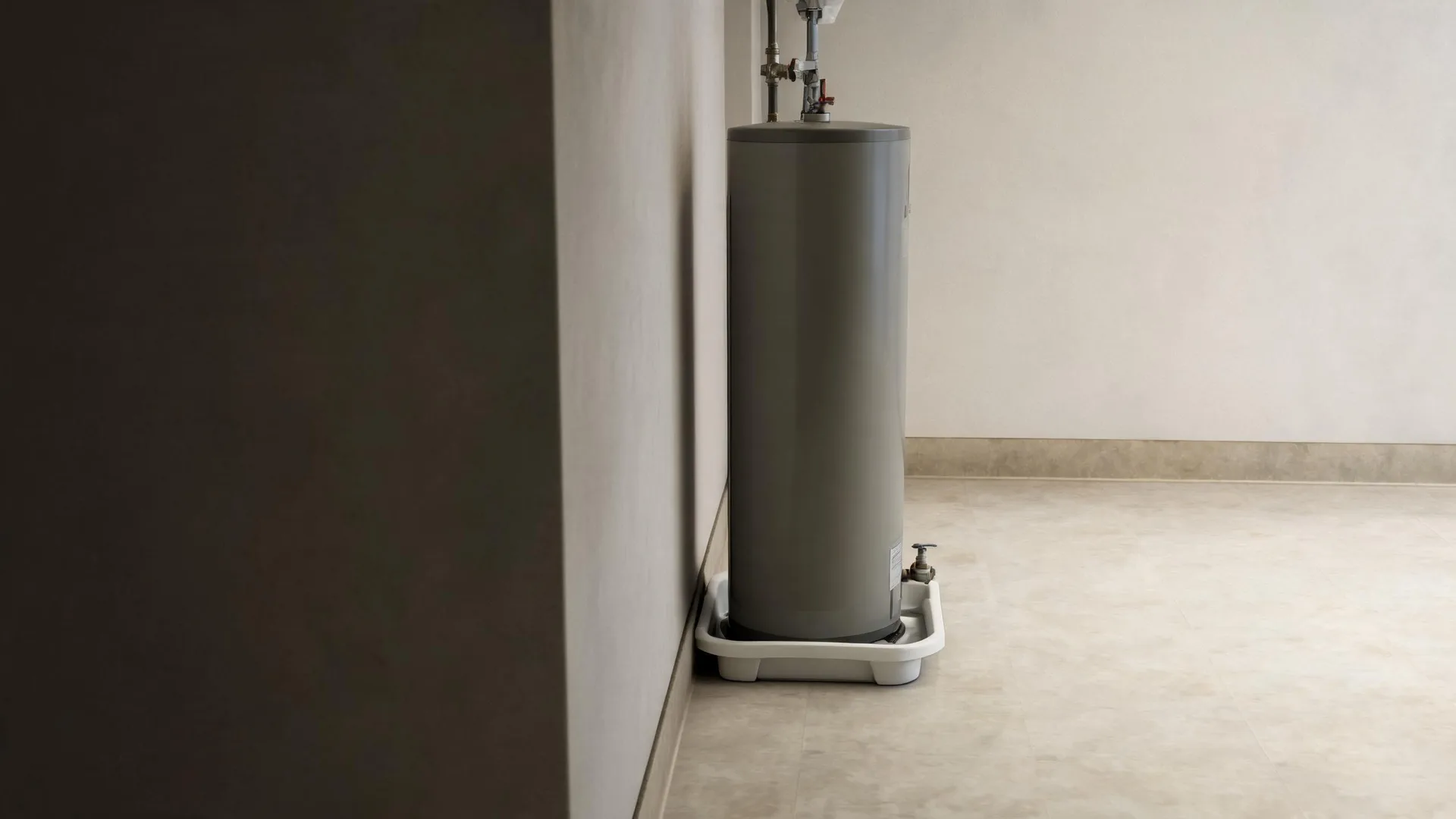
Electric water heaters share their fuel source with the furnace, the baseboard, and every other resistance load in the house. Electricity heats more occupied homes in Conway County, Arkansas than any other fuel, at 63.8% (2020-2024 ACS 5-year). That concentration of electrical demand means the water heater's elements and thermostats are cycling against the same grid conditions as the rest of the home's heating equipment. A contractor diagnosing a failing unit here checks the elements and the anode rod before looking elsewhere, because those are the parts that wear under continuous electrical load. Venting questions that come up on gas or propane units simply do not apply to most homes in this county.
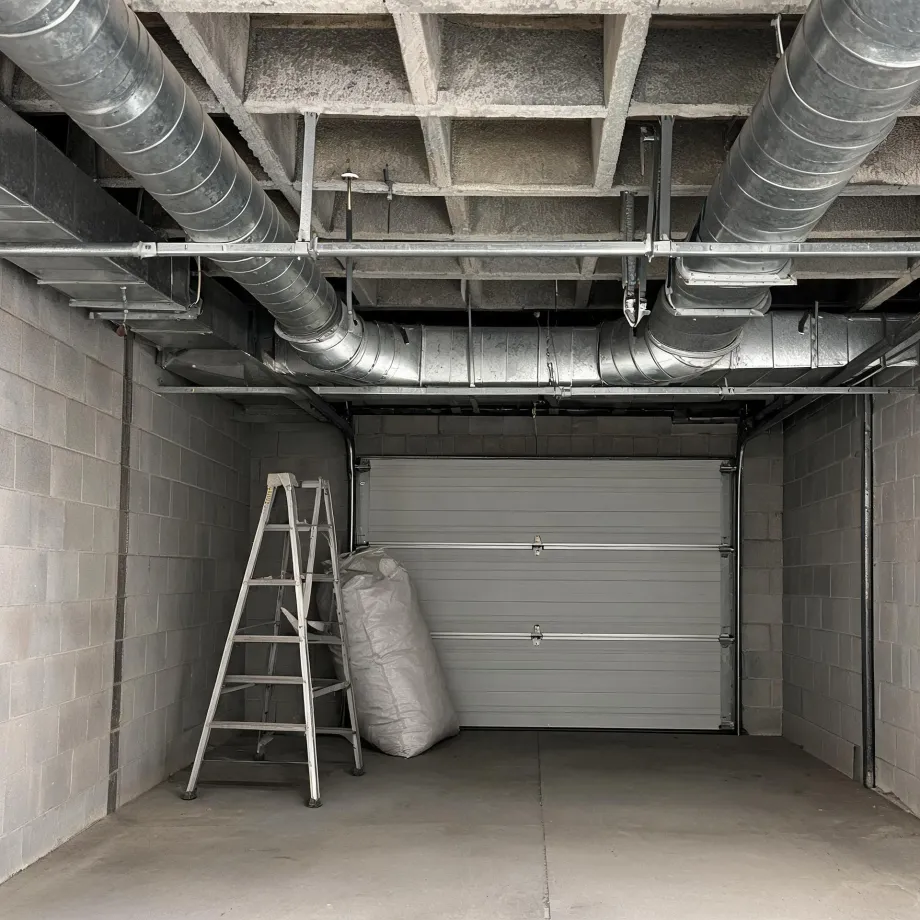
Sediment accumulates in a tank over decades, and a water heater sitting in a house this old has often had its anode rod depleted well past the point of protecting the tank lining. When a contractor opens the system, the condition of the fittings and supply connections around the unit tells as much as the unit itself. Half the homes in Conway County, Arkansas were built in 1984 or earlier (2020-2024 ACS 5-year). That history means a repair call here frequently turns into work on the surrounding plumbing as well, once the corrosion at the connections becomes visible.
The Parts of a Water Heater a Contractor Checks First
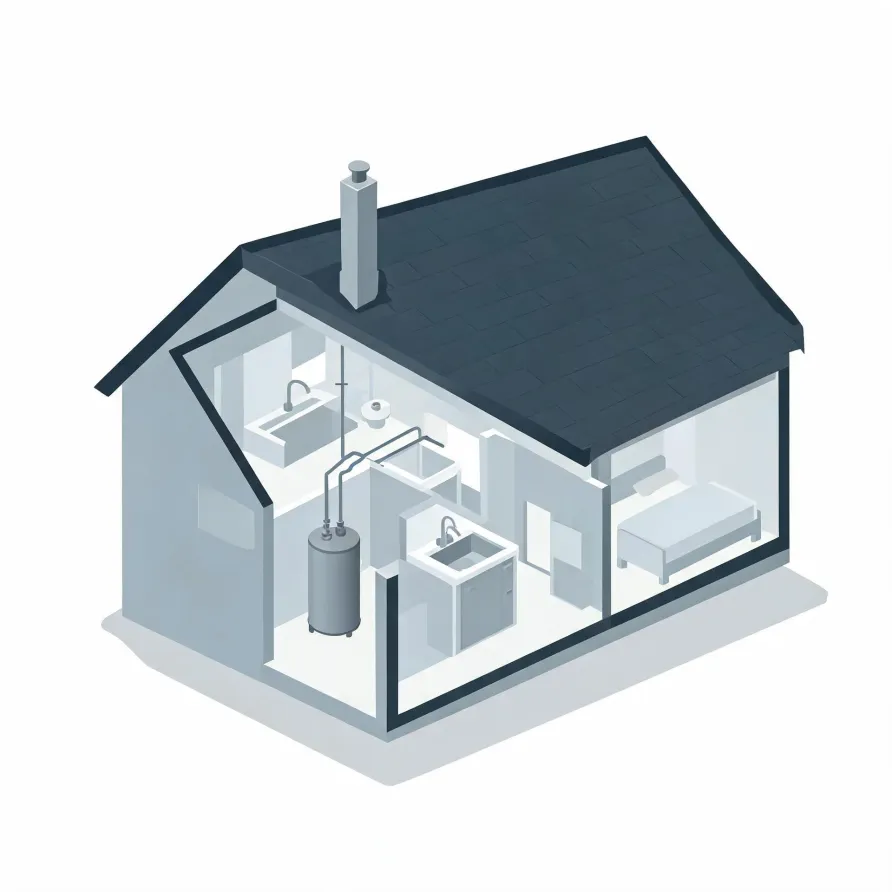
The tank itself sits wherever the builder put it, most often a utility closet, basement, or garage, and its job is to hold a supply of water at a steady temperature. When a homeowner notices no hot water, lukewarm water, or discolored water, the tank and the components mounted directly to it are where a contractor starts.
The burner assembly or heating element sits at the base or inside the tank depending on whether the unit runs on gas or electricity, and the thermostat rides alongside it to read and regulate temperature. The pressure relief valve mounts to the tank's side and opens if pressure climbs too high. The anode rod hangs inside the tank and draws corrosion away from the steel walls.
The drawing shows a typical layout, and a licensed contractor determines which parts apply and what condition they are in for this particular house.
Find a contractor in Conway CountyConway County, Arkansas, by the numbers
79 severe weather events were recorded in Conway County, Arkansas between 2015 and 2024.
NOAA National Centers for Environmental Information, Storm Events Database, bulk CSV export, events 2015-01-01 through 2024-12-31.Half the homes in Conway County, Arkansas were built in 1984 or earlier (2020-2024 ACS 5-year).
U.S. Census Bureau, 2020-2024 American Community Survey 5-Year EstimatesConway County, Arkansas holds 9,703 housing units (2020-2024 ACS 5-year).
U.S. Census Bureau, 2020-2024 American Community Survey 5-Year EstimatesOwners occupy 74.1% of the occupied homes in Conway County, Arkansas (2020-2024 ACS 5-year).
U.S. Census Bureau, 2020-2024 American Community Survey 5-Year EstimatesSevere Weather Events in Conway County
Extreme weather puts a load on water heaters that normal daily use does not. Knowing what this area has seen helps a contractor size the repair correctly and anticipate what the equipment has been through.
79 severe weather events, 2015–2024. Source: NOAA National Centers for Environmental Information, Storm Events Database.