Tell us about the job
Takes about a minute. No obligation.
A contractor diagnosing a water heater in this county starts by asking what else is on the same electrical system and how hard those loads run together. Electricity heats more occupied homes in Franklin County, Arkansas than any other fuel, at 62.9% (2020-2024 ACS 5-year). Electric resistance heating pulls heavily from the panel during cold weather, and a water heater competing for that capacity gets cycled hard. The heating elements and the thermostat inside the tank wear under that pattern. When a homeowner reports slow recovery or tripped breakers, the elements and the thermostat connections are what a contractor checks before touching anything else.
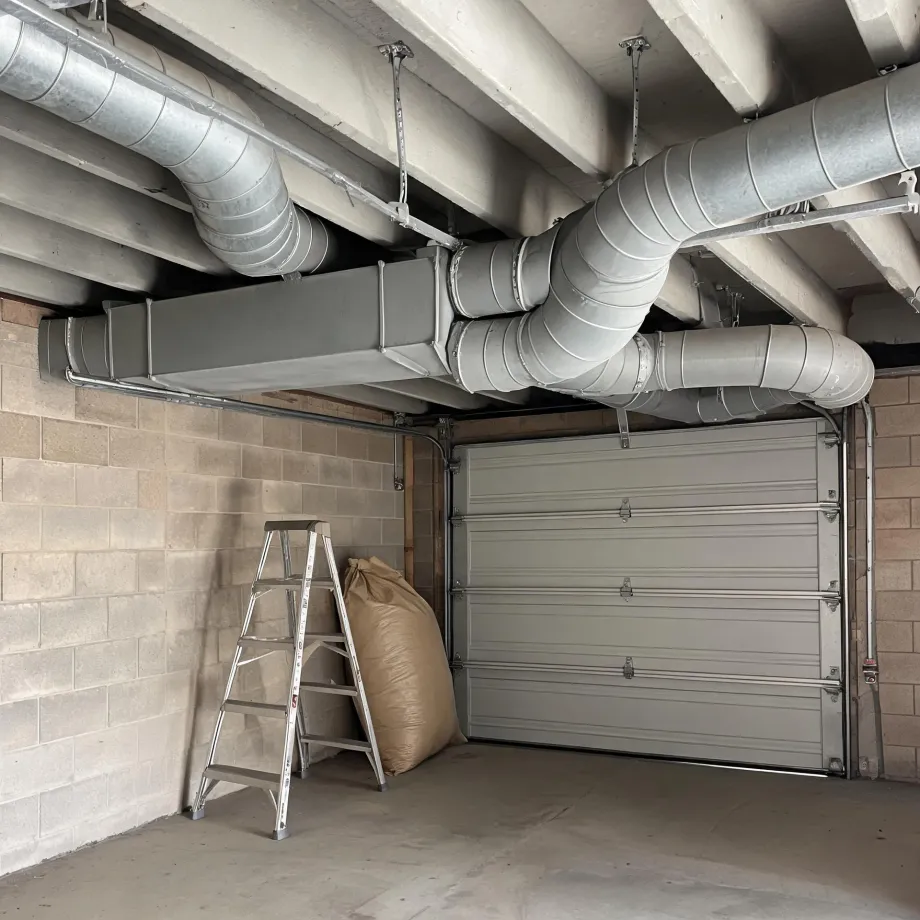
Water heaters in Franklin County get swapped out generation after generation inside the same original infrastructure, and what surrounds a failing unit tells a contractor more than the unit itself. Half the homes in Franklin County, Arkansas were built in 1985 or earlier (2020-2024 ACS 5-year). That depth of stock means a replacement part for an older water heater may be discontinued, and a contractor opening a system here has to price what is actually available, not what the original spec calls for. Venting connections and supply line fittings installed for a previous unit sometimes do not match what a current replacement requires, and that gap is where a repair job changes shape.
The Parts of a Water Heater a Contractor Checks During a Repair
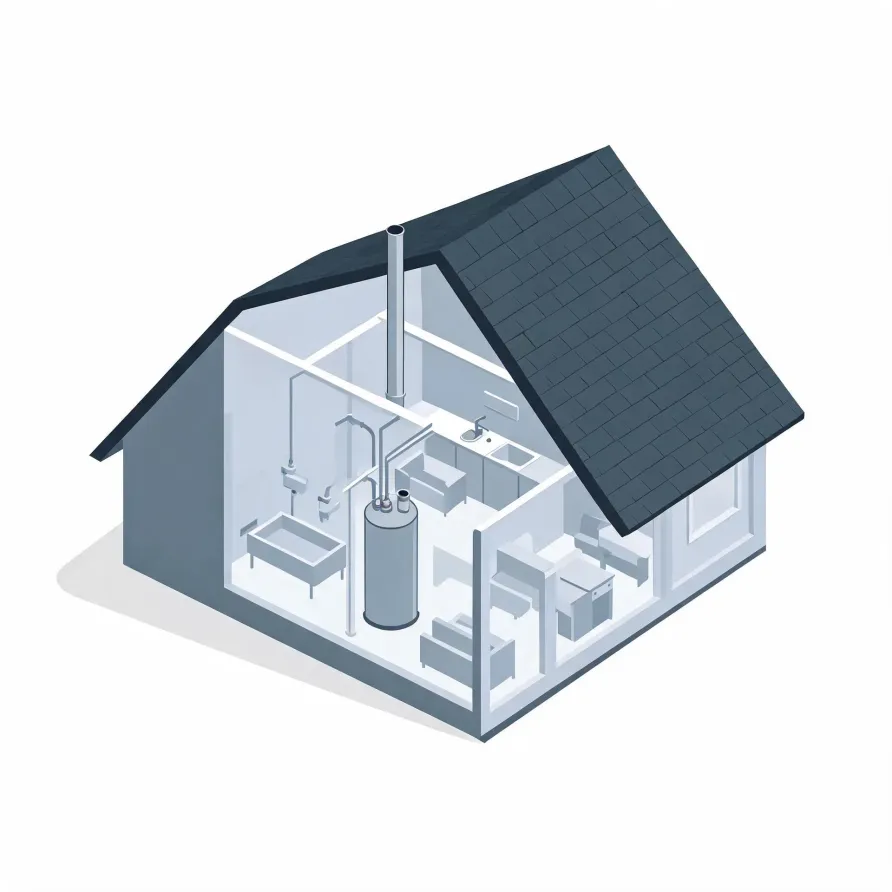
The tank is the core of the system, a large insulated vessel that sits in a utility room, basement, or garage and holds water at a set temperature. The burner assembly or heating elements sit inside or beneath it and are the first things a contractor looks at when the water runs cold or the unit stops recovering.
The thermostat controls when heat switches on and is a common point of failure when temperatures run too high, too low, or swing unpredictably. The pressure relief valve mounts to the side of the tank as a safety device, and the anode rod runs down through the interior to slow corrosion of the tank walls.
The drawing shows a general layout of these components, and a licensed contractor determines which parts apply and what condition they are in for this specific unit.
Find a contractor in Franklin CountyFranklin County, Arkansas, by the numbers
160 severe weather events were recorded in Franklin County, Arkansas between 2015 and 2024.
NOAA National Centers for Environmental Information, Storm Events Database, bulk CSV export, events 2015-01-01 through 2024-12-31.Half the homes in Franklin County, Arkansas were built in 1985 or earlier (2020-2024 ACS 5-year).
U.S. Census Bureau, 2020-2024 American Community Survey 5-Year EstimatesFranklin County, Arkansas holds 7,757 housing units (2020-2024 ACS 5-year).
U.S. Census Bureau, 2020-2024 American Community Survey 5-Year EstimatesOwners occupy 78.0% of the occupied homes in Franklin County, Arkansas (2020-2024 ACS 5-year).
U.S. Census Bureau, 2020-2024 American Community Survey 5-Year EstimatesSevere Weather Events in Franklin County
Extreme weather puts stress on water heaters in ways that steady mild conditions never do. How hard that equipment has worked in Franklin County is partly a local story, and the record of severe weather here is part of it.
160 severe weather events, 2015–2024. Source: NOAA National Centers for Environmental Information, Storm Events Database.