Tell us about the job
Takes about a minute. No obligation.
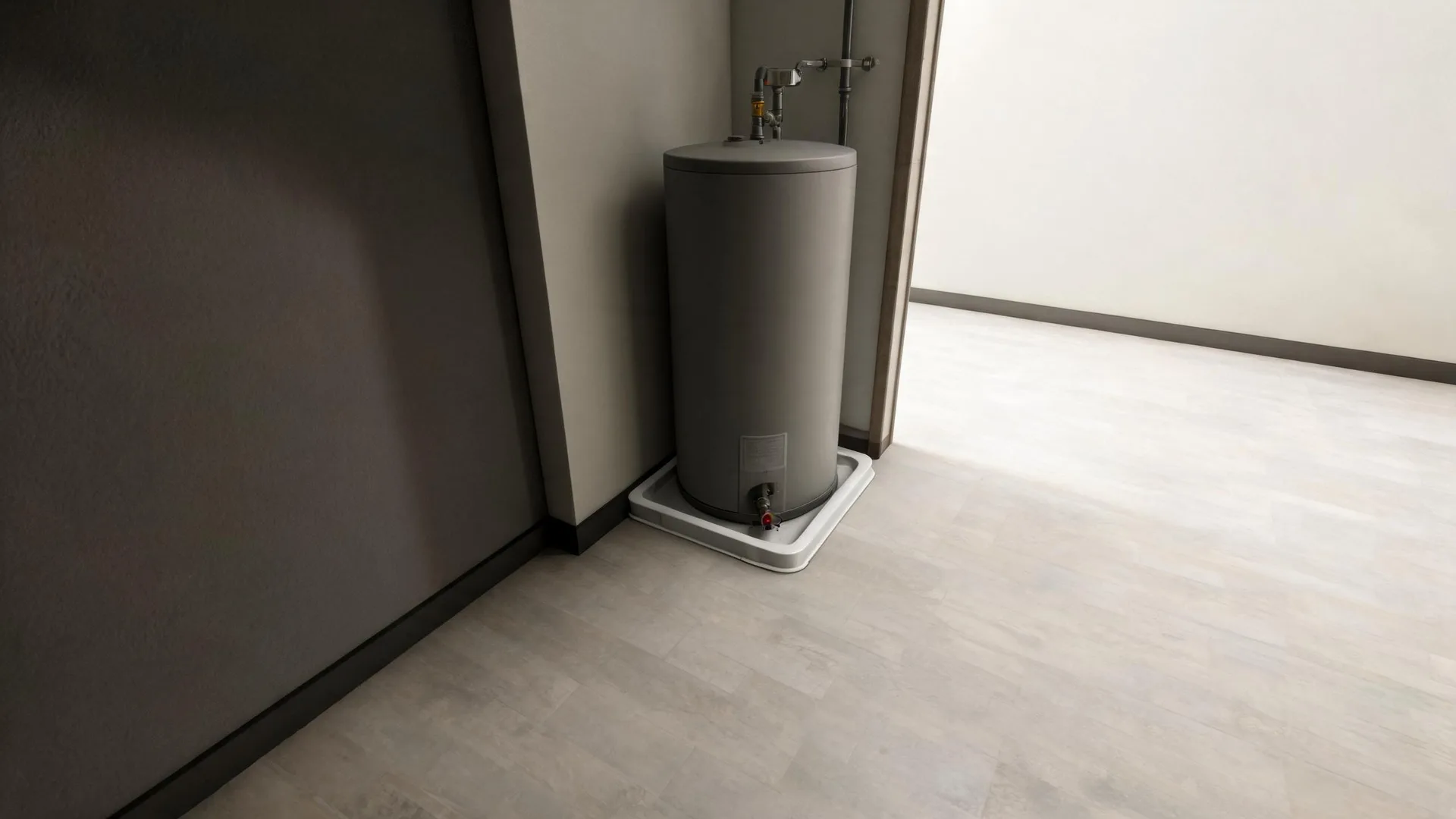
Electric resistance water heaters put their entire load on two components: the heating elements and the thermostats that cycle them. Electricity heats more occupied homes in Greene County, Arkansas than any other fuel, at 74.7% (2020-2024 ACS 5-year). In a county where the overwhelming majority of occupied homes run on electricity, a failing water heater almost always traces back to a burned element or a thermostat that has stopped reading correctly. Sediment buildup accelerates element failure, because the element has to work harder to push heat through the layer sitting on top of it. A contractor checking a unit here pulls and inspects the elements first.
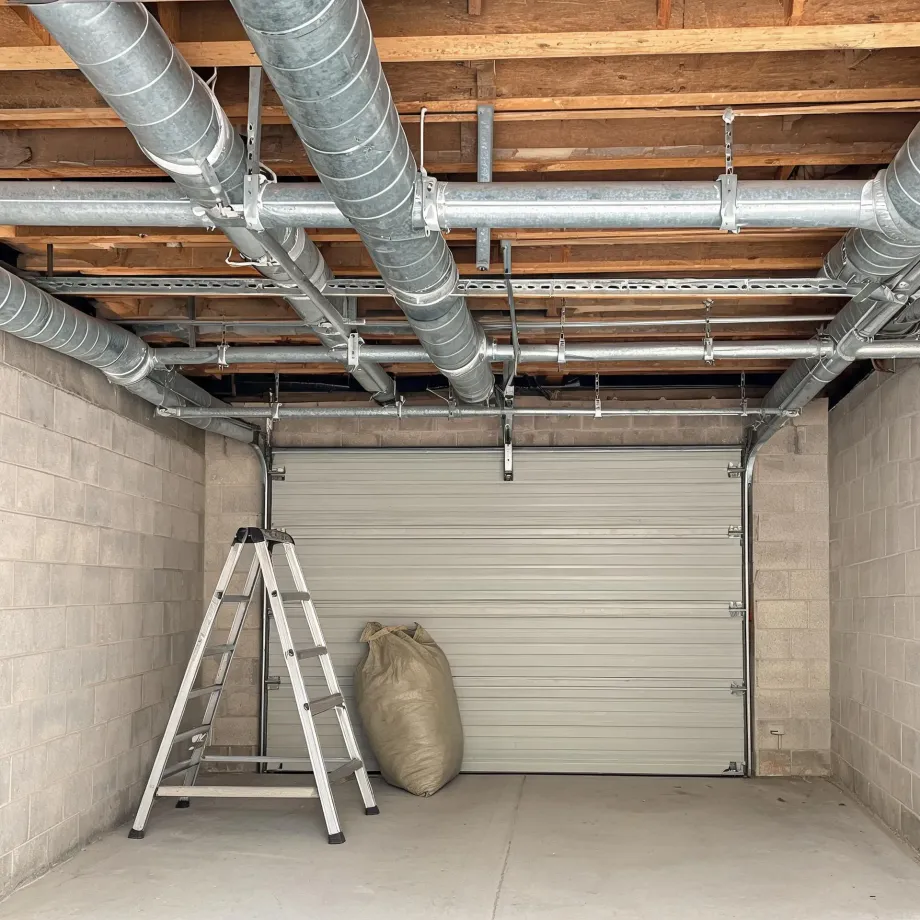
A water heater sitting in a house this old has likely been there through at least one replacement cycle, and what a contractor finds when they open the access or pull the element tells the story of that run. Half the homes in Greene County, Arkansas were built in 1991 or earlier (2020-2024 ACS 5-year). Stock built around that time was designed for tank water heaters, and the plumbing in place reflects that. Sediment load, anode condition, and the state of the sacrificial rod are what determine whether a repair holds or whether the tank is past the point of returning value on parts.
The Parts of a Water Heater a Contractor Checks First
The tank is the piece most homeowners know by sight, a large insulated cylinder sitting in a utility room, garage, or basement whose job is to hold water at a steady hot temperature. The burner assembly or heating element sits at or near the base of the tank and is where heat actually gets applied to the water. When a water heater stops producing hot water or recovers slowly, these are the first places a contractor looks.
The thermostat controls what temperature the tank holds and is mounted directly on the unit. The pressure relief valve sits on the tank's side or top and is a safety device that opens if pressure inside climbs too high. The anode rod runs down through the tank's interior, protecting the metal lining from corrosion, and a contractor will pull it to assess its condition when diagnosing premature tank wear or rust-colored water.
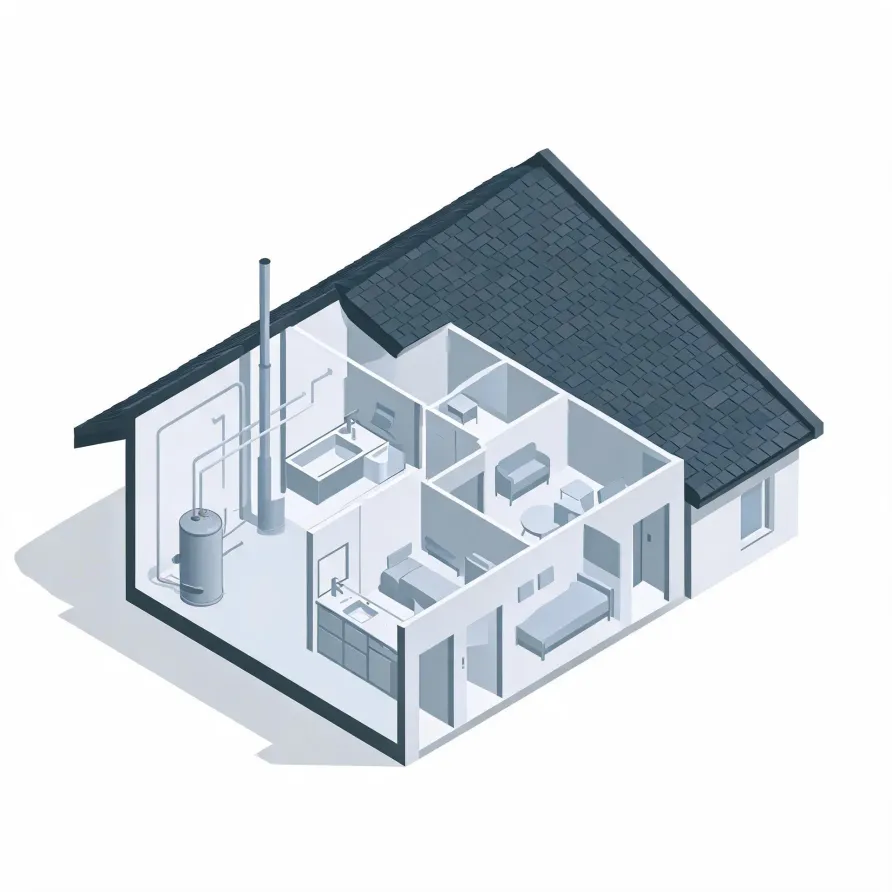
The drawing shows the general layout of a water heater system, and a licensed contractor determines which parts and conditions apply to your particular home.
Find a contractor in Greene CountyGreene County by the Numbers
99 severe weather events were recorded in Greene County, Arkansas between 2015 and 2024.
NOAA National Centers for Environmental Information, Storm Events Database, bulk CSV export, events 2015-01-01 through 2024-12-31.Half the homes in Greene County, Arkansas were built in 1991 or earlier (2020-2024 ACS 5-year).
U.S. Census Bureau, 2020-2024 American Community Survey 5-Year EstimatesGreene County, Arkansas holds 19,603 housing units (2020-2024 ACS 5-year).
U.S. Census Bureau, 2020-2024 American Community Survey 5-Year EstimatesOwners occupy 66.2% of the occupied homes in Greene County, Arkansas (2020-2024 ACS 5-year).
U.S. Census Bureau, 2020-2024 American Community Survey 5-Year EstimatesWeather Stress on Water Heaters in Greene County
Severe weather puts real strain on water heaters, forcing the equipment to work harder and recover faster after each event. A contractor familiar with local conditions understands what that pattern of stress looks like and what it means for repair work here.
99 severe weather events, 2015–2024. Source: NOAA National Centers for Environmental Information, Storm Events Database.