

120 degrees
The setting that works for most homes in Arkansas. Hot enough for a shower or a load of dishes, low enough that nobody gets scalded reaching for the tap.
Send the form, and lining up the water heater tune-up stops being yours to chase.
Let a pro reach outYou want a number that works here in Arkansas without running up the power bill or scalding anyone. With most homes running electric water heaters and electricity priced low compared to other fuels, it's tempting to just leave the dial wherever it was set at install. But the right setting has more to do with safety and the tank itself than with what you pay per kilowatt hour.
120 degrees is hot enough for showers, dishes and laundry without scalding anyone who turns on a tap. Go higher and you raise the risk of burns, especially for kids or older adults in the house. You also wear on the tank faster, since higher temperatures push more mineral buildup onto the heating element or the burner and shorten the life of the unit. Arkansas summers are muggy, but that has no bearing on this number. It's the same 120 degrees whether it's July or January. If your water heater came with the house, check the dial against this number rather than assuming it was ever set right in the first place.
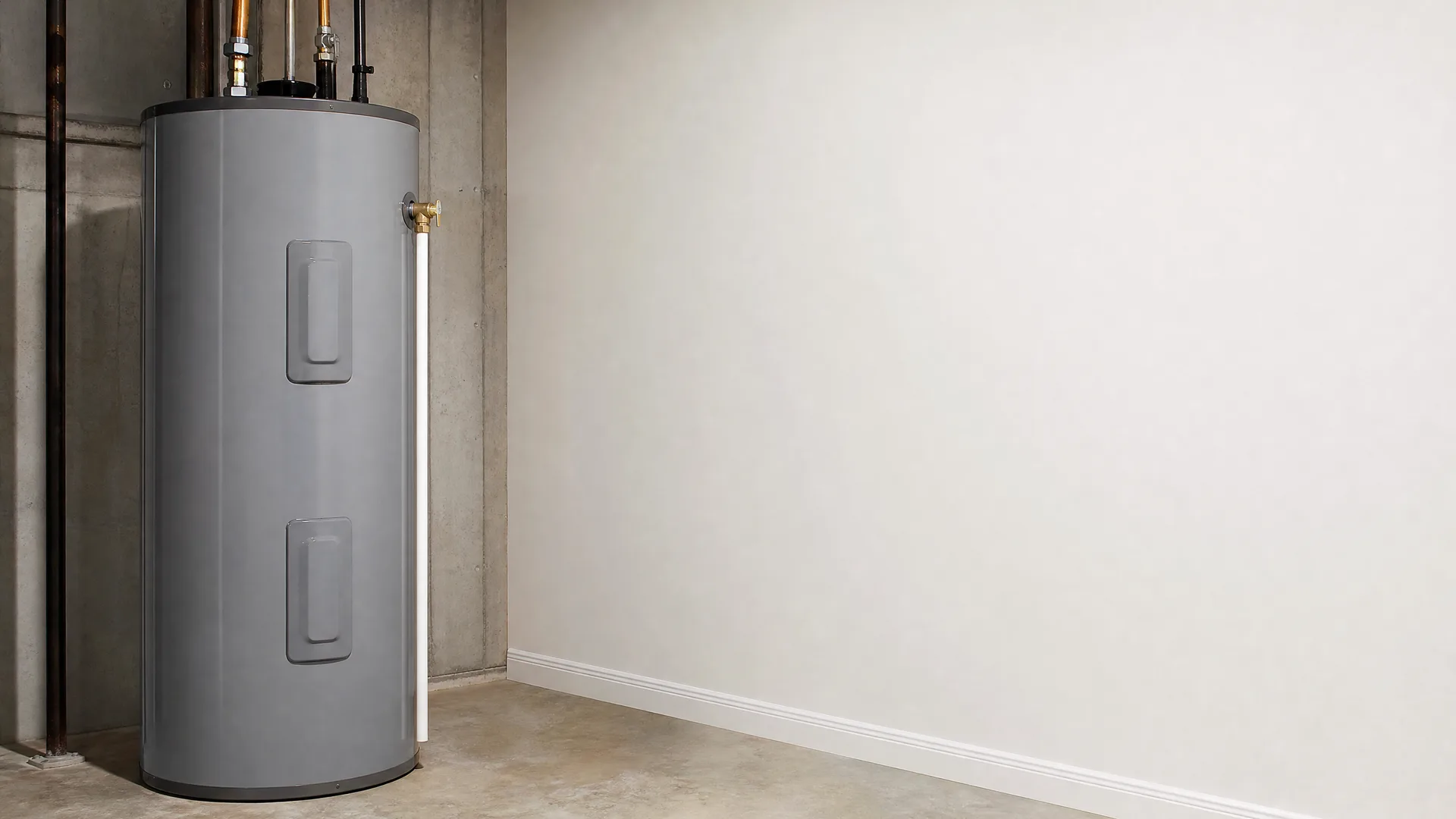
Electric water heaters hold a dial on the front of the tank, usually behind a small panel with a screw or two. Most arrive from the factory set to 140, which costs more to maintain and raises the risk of a scald at the tap. Turning it back to 120 means the element cycles less often to hold that temperature, and that shows up on the power bill over a year of running.
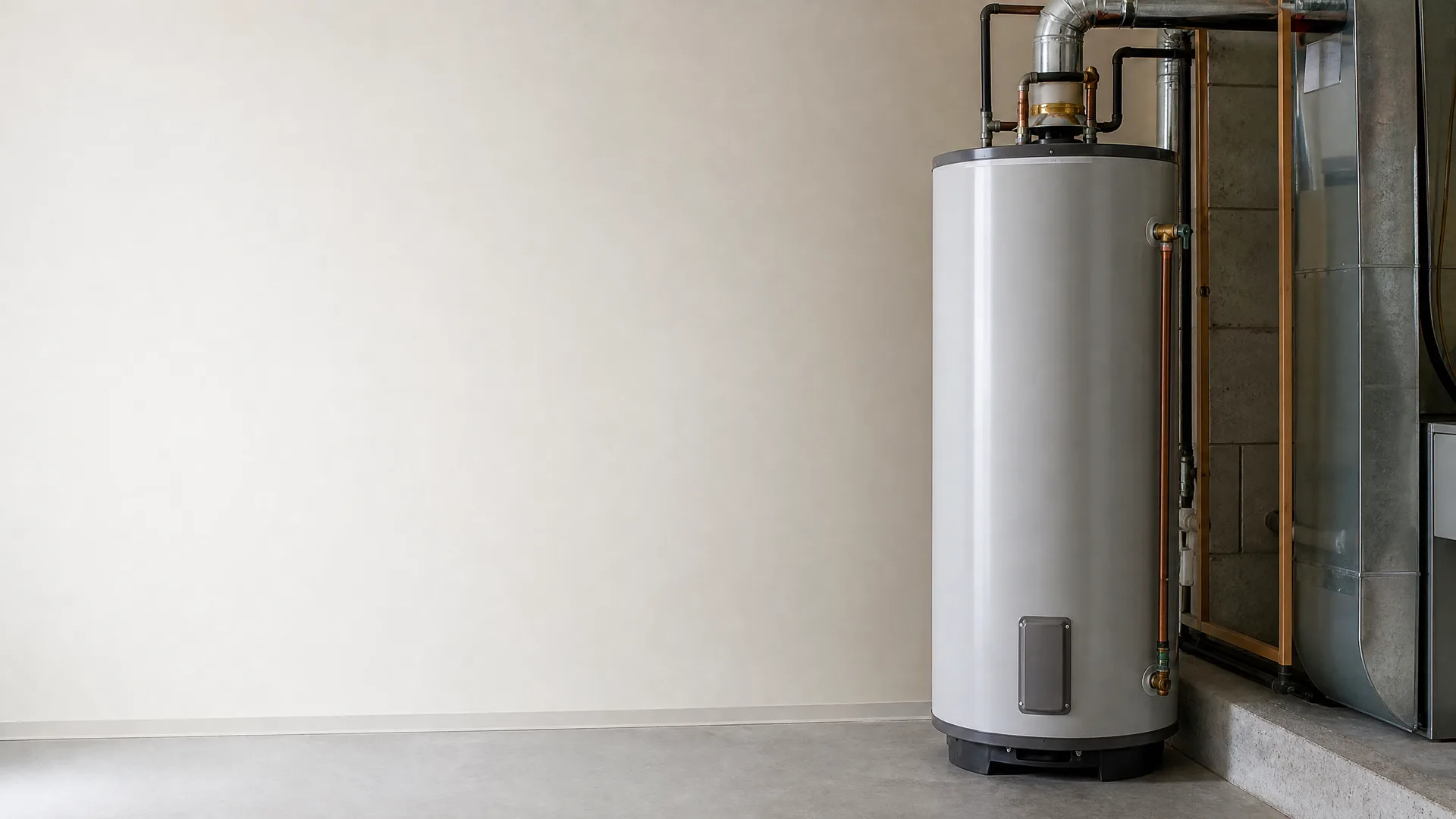
Electric heating elements sit low in the tank, and over time minerals in the water settle around them. That layer makes the element work harder to reach the same setting, so a tank with buildup can run hotter at the surface than the dial suggests. A contractor flushing the tank during maintenance clears that layer so the thermostat setting actually matches the water coming out of the tap.
If the shower turns scalding before you've finished adjusting it, or the dishwasher steam feels sharper than it should, the dial is probably still sitting near 140. If the opposite is true and the hot water runs out fast or never gets past lukewarm, the thermostat may have drifted low or failed. Either one shows up on the power bill too, since a tank working at the wrong setting runs more than it needs to. Left at 140 for years, the tank also builds scale faster, which wears at the heating element and shortens how long the unit lasts before it needs replacing.




A dial that's been sitting at the wrong number for years doesn't announce itself. It just shows up as a higher bill every month or a kid getting burned reaching for the tap, and most people never think to check the tank until something forces the question. Getting it to 120 and keeping it there is maintenance, the same as checking a filter or flushing a line, and it's easy to let it slide when the water still comes out hot either way. Finding someone to look at the tank, set the thermostat right, and check the anode rod and pressure valve while they're at it means calling around, explaining what's going on more than once, and sorting through quotes that don't tell you much. Hand that off instead. You keep the house in Arkansas, the electric rates, the tank in the closet or the garage. Someone else does the part where you'd otherwise be stuck making calls.
Turning the dial is simple enough if the panel comes off easy and the screw isn't stripped. You set it to 120, run the tap a few minutes later to check, and adjust again if it's off. Where it gets harder is knowing whether 120 is actually what's coming out of the faucet, because a dial reading and a tap temperature don't always match once a tank has a few years on it. Sediment at the bottom can make the thermostat read wrong, and an element that's starting to fail can hold the water well under the number on the dial no matter where you set it. At that point turning the knob further just wastes power without fixing anything.
A contractor doing maintenance on the tank isn't just setting the dial. The visit covers whether the thermostat is reading true, whether sediment has built up enough to affect recovery time, and whether the element is still heating the way it should. That's the difference between a number that looks right on the panel and water that's actually 120 degrees when it reaches you. If you've been going back and forth on the dial without the tap matching what you expect, that's usually a sign something past the thermostat needs a look, not that the setting itself is wrong.


The setting that works for most homes in Arkansas. Hot enough for a shower or a load of dishes, low enough that nobody gets scalded reaching for the tap.
The factory setting on most new tanks. It costs more to hold that temperature and it's hot enough to burn skin in seconds at the faucet.
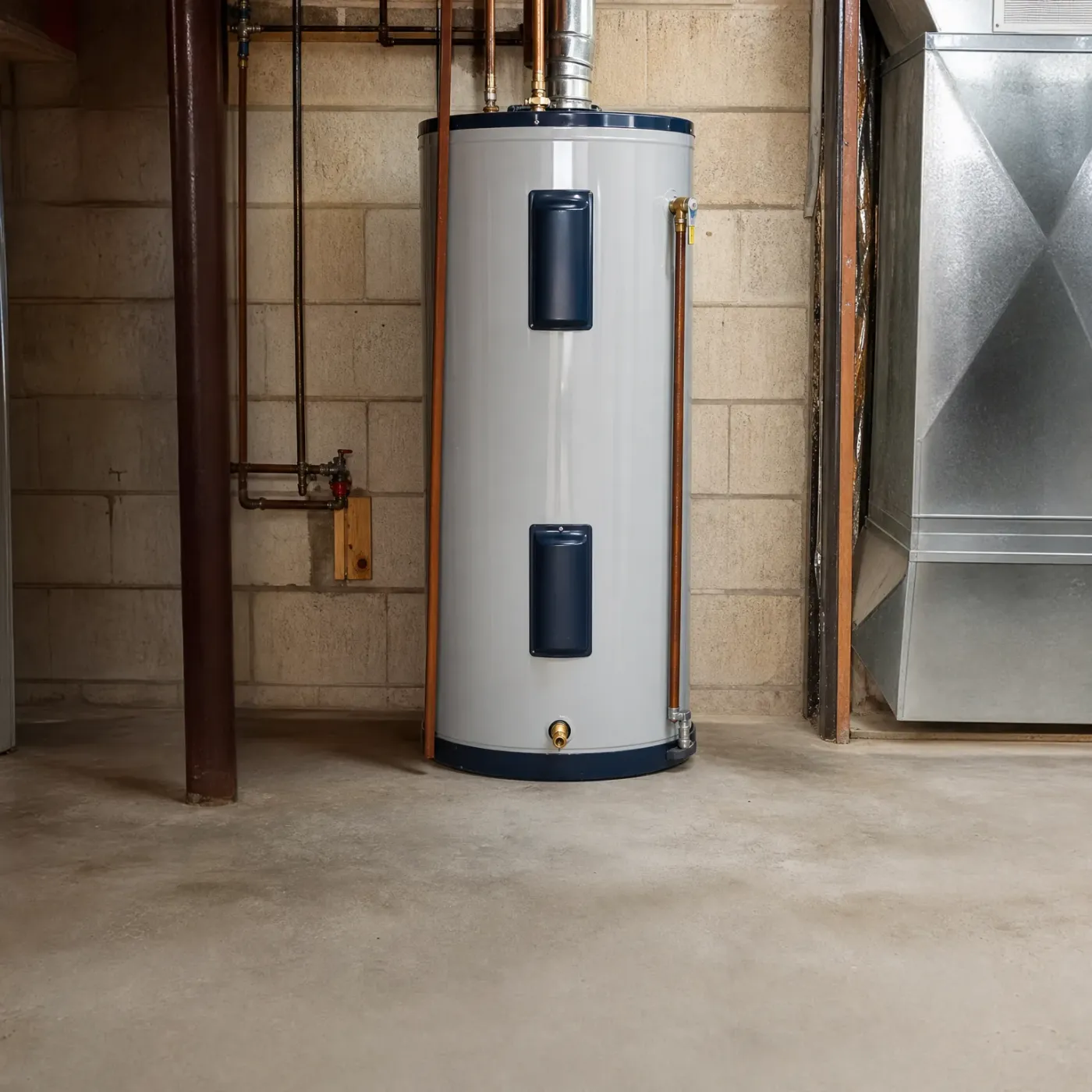
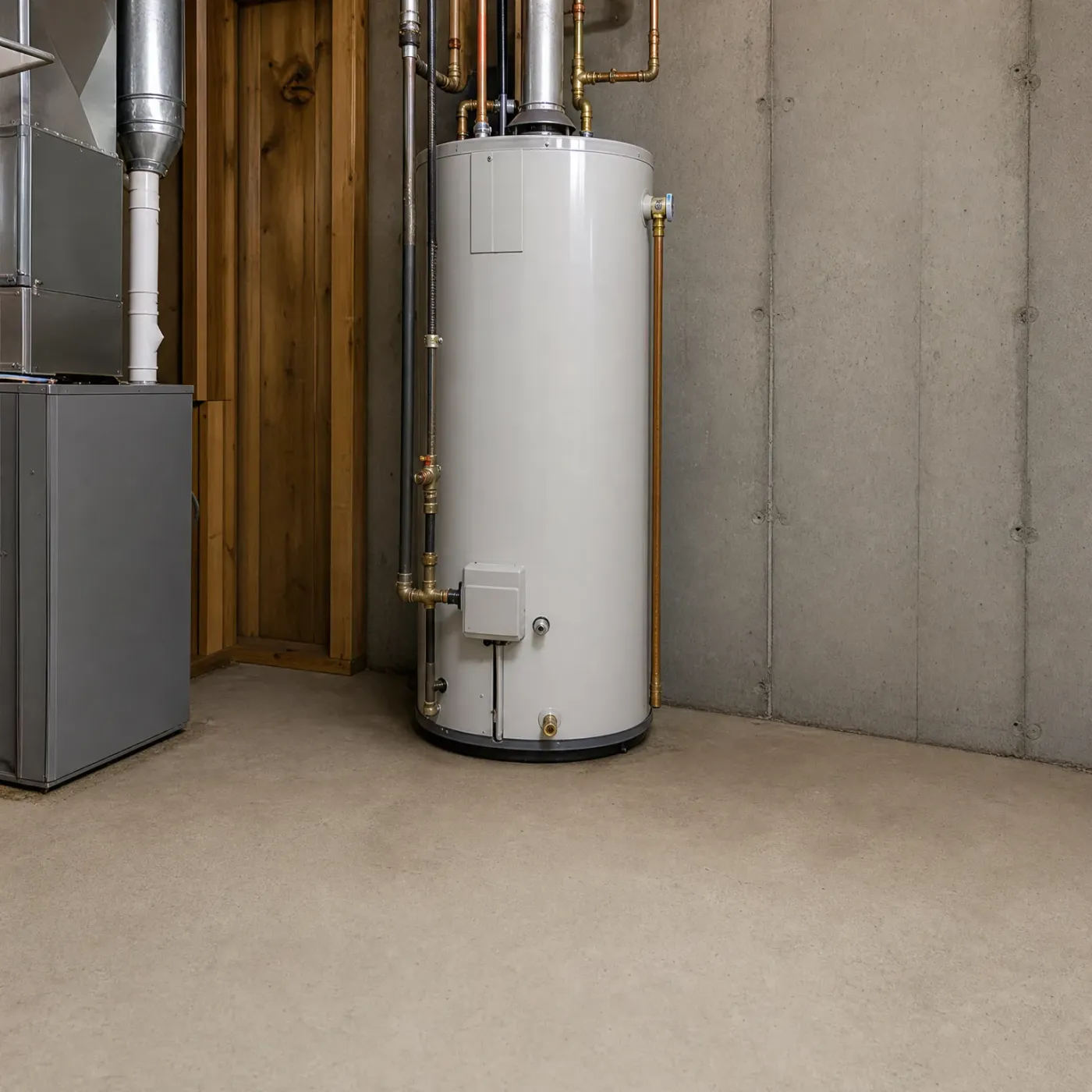
This is what a water heater looks like when it's holding the setting it should. Gas or electric, the pipes run clean and the connections stay dry. A tank running at the right temperature isn't working any harder than it has to.
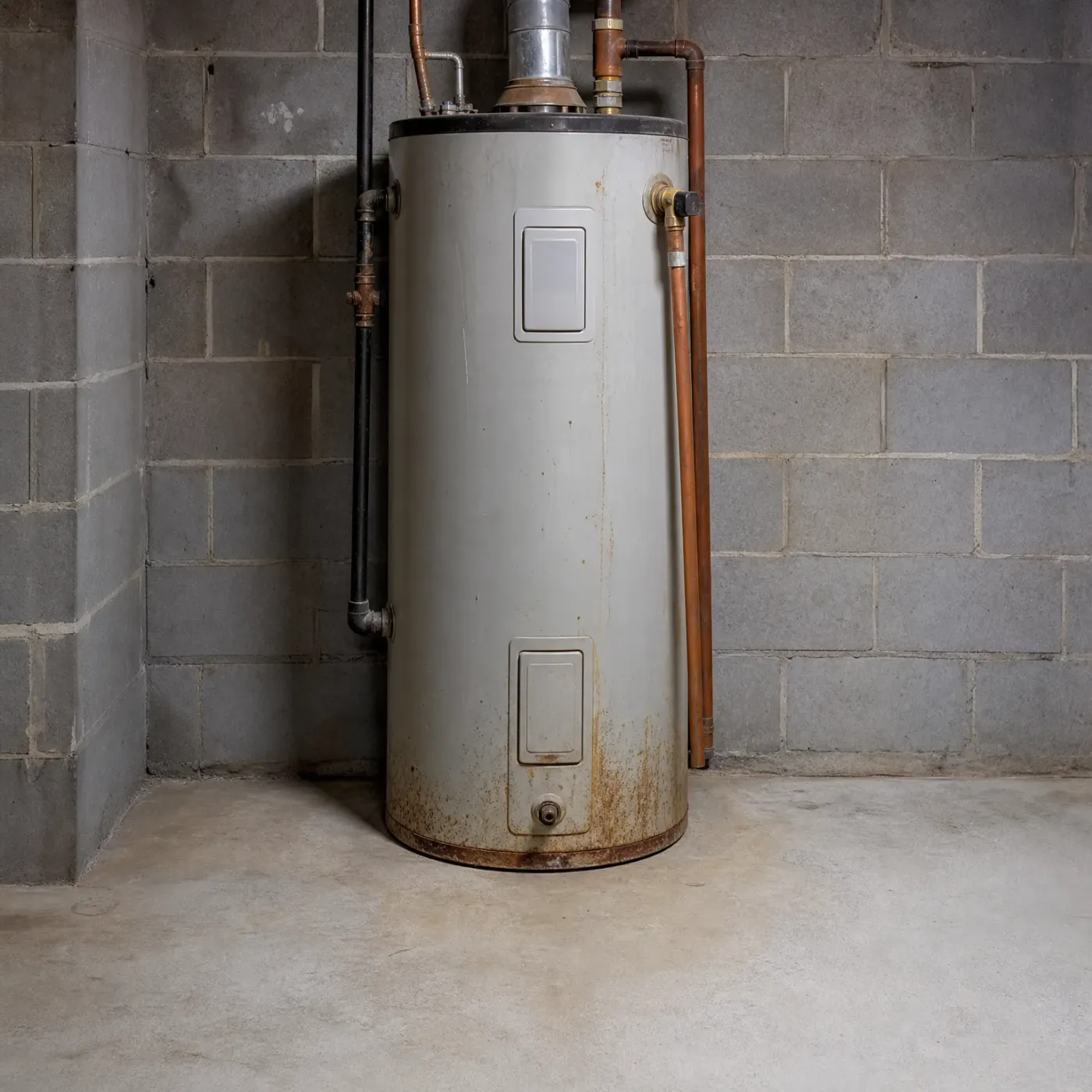
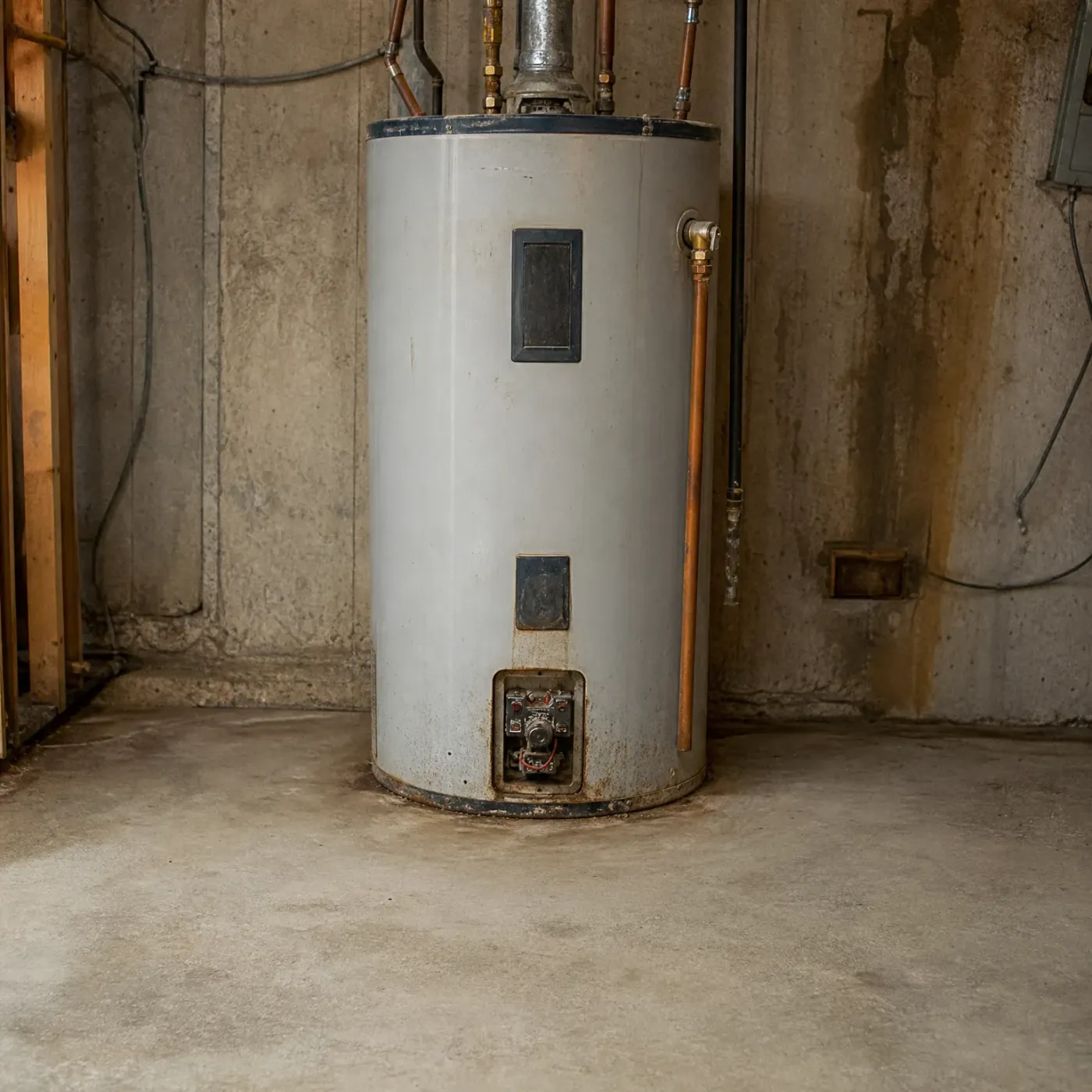
This is what years of being ignored looks like. Rust at the base and along the seams like this usually means the tank has been sitting too hot for too long, and a dial check alone won't fix a tank already failing. At that point the setting isn't the problem anymore.
More than half the homes in Arkansas run on electric heat, and that same meter is what your water heater draws from. Every degree past 120 on that dial adds to the same bill, so the setting you pick does more here than in a house burning gas for heat.
ACS 2020-2024 5-year B25040
120 is the number. That holds true whether the tank is gas or electric, whether it's tucked in a closet or out in the garage. Below that, water sits in the tank long enough to grow bacteria. Above it, the tank burns more power than the house needs and the tap gets hot enough to burn skin in seconds. A dial that's already at 120 and holding steady means the tank is doing its job, and there's nothing to change. A dial that's drifted off, or one nobody's checked since the house was bought, is worth a look before winter adds its own strain to the system. Getting that checked doesn't have to mean searching through listings, calling a few numbers, explaining the same thing twice, and weighing one quote against another. Send the form once and that part is handled. What's left is just the tank, set where it should be, running the way it's supposed to.
Skip calling around to set up a water heater tune-up.