Profile view of a bearded man wearing a dark baseball cap and a dark gray T-shirt against a plain off-white background.

When to replace a water heater in Fayetteville, AR

Step 1 of 3: Equipment

Most water heaters last 10 to 15 years, and age is the main thing to go by. Once a tank passes that mark, the steel lining has likely broken down enough that rust works through from the inside, and that ends in a leak, not a warning. Before that point, watch for water that doesn't get as hot as it used to, rumbling or popping from sediment settled in the bottom, or rusty water from the tank itself rather than just the hot line. A unit leaking from the tank body needs replacing now, no question. One rusting out over a Fayetteville winter, when the water coming in is already cold, means days without hot water while it gets sorted. If yours is past 10 years, it's worth having someone look at it before it fails on its own schedule instead of yours.

A woman in a cream knit sweater sits in an armchair with her eyes closed and head tilted back, beside a window showing orange autumn foliage and a wooden side table with a mug.
A gray-haired man in a blue quarter-zip sweater sits in an armchair with his eyes closed, beside a large window with bare trees outside and a potted plant and lamp nearby.

What does your household mean for your water heater?

  • 2.55 people per household on average

    The average home here holds 2.55 people, so most tanks are sized for a household that size, and a bigger family can push an aging unit harder.

  • Half the homes here were built by 1995

    Half the homes in Washington County were built in 1995 or earlier. If yours is one of them, the water heater may already be a replacement itself, not the original.

  • 47.8% of homes heat with electricity

    Electricity heats 47.8% of homes here, more than any other fuel. An electric water heater usually comes back on by itself once power is restored after an outage.

ACS 2020-2024

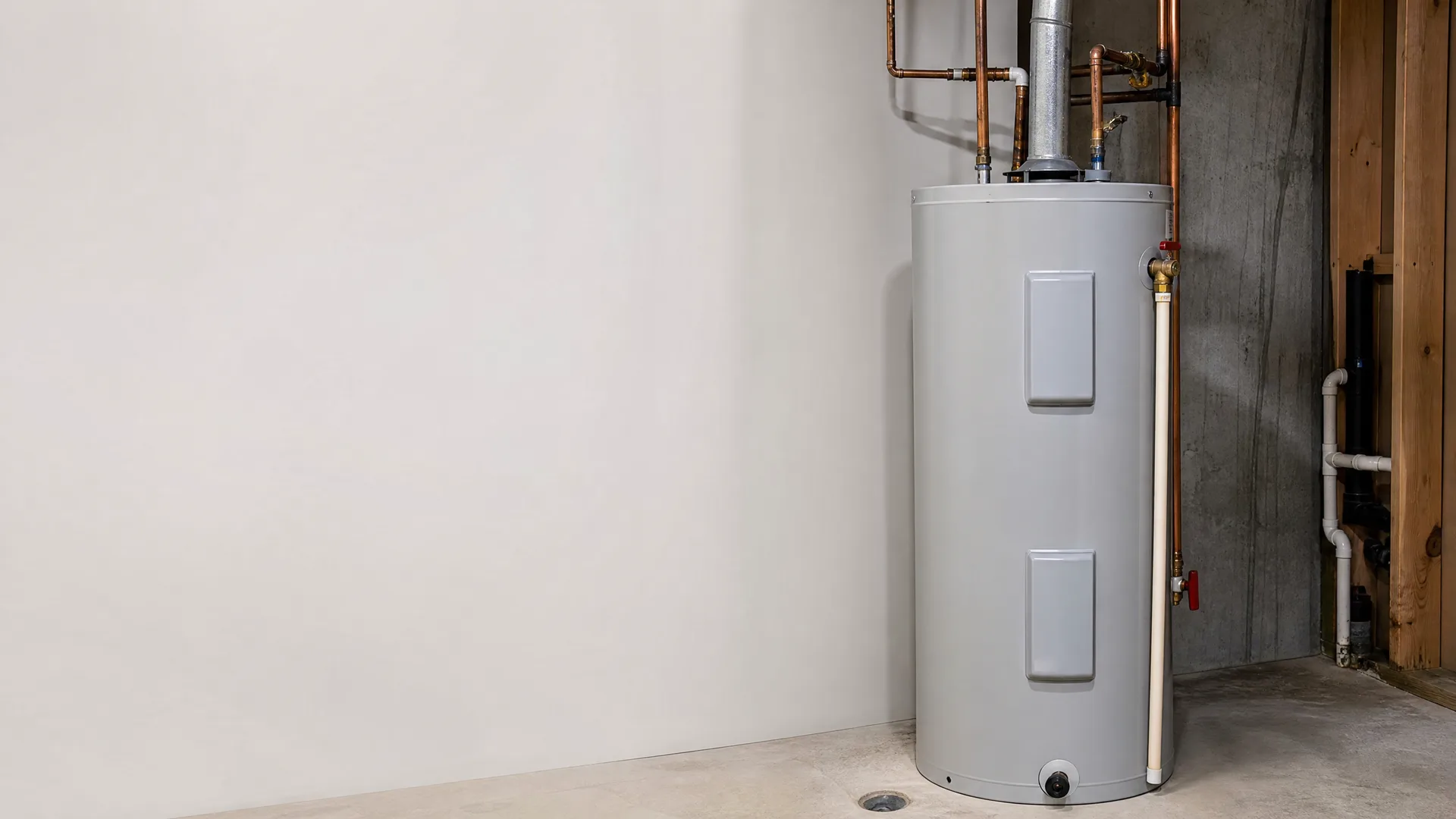
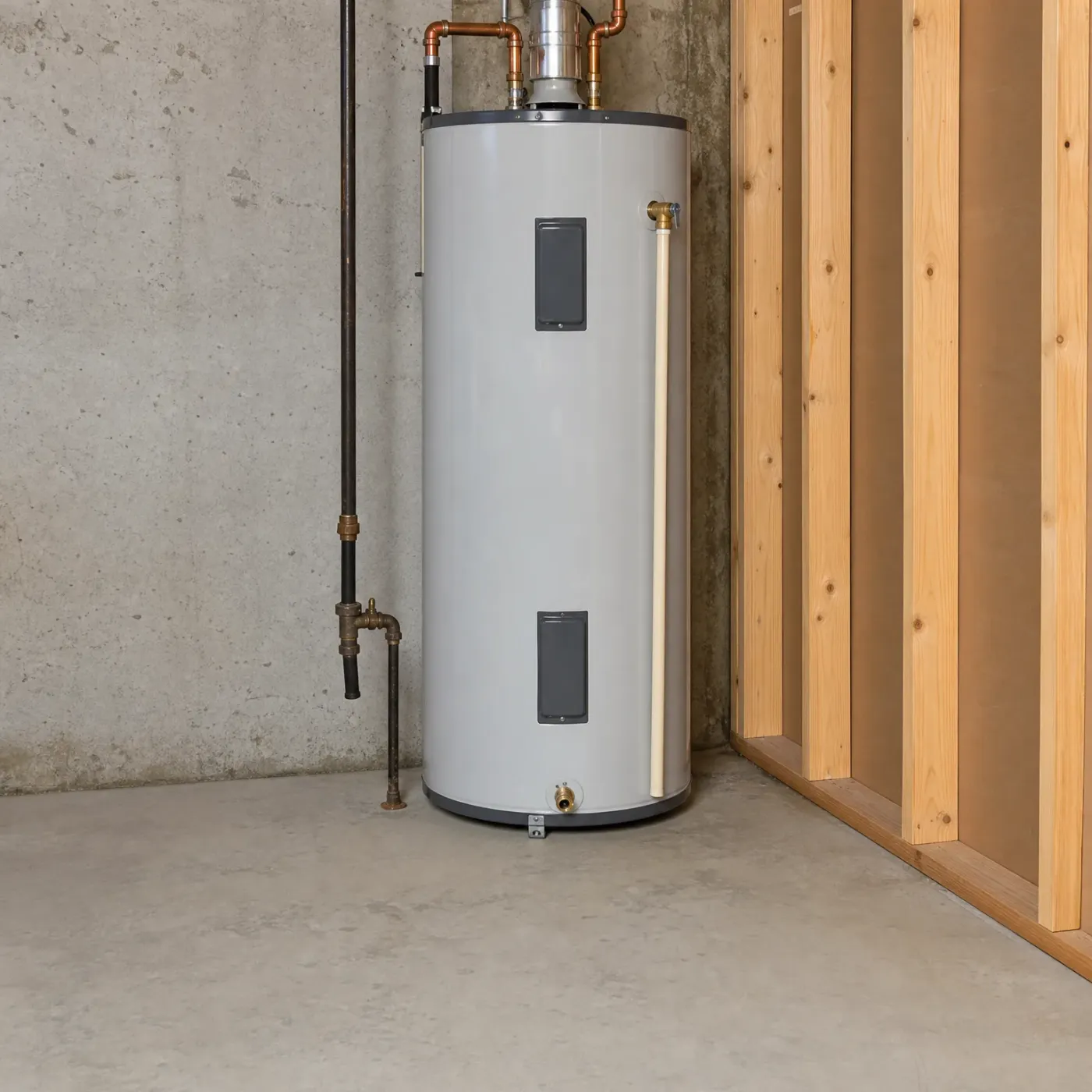
A light gray cylindrical water heater with two access panels stands on a concrete floor against a concrete wall, with copper and black pipes beside it and an unfinished wood stud wall to the right.

Still working the way it should

A water heater like this is doing its job. The panels are intact, the relief valve has its discharge tube in place, and the drain valve at the base still works if you need to flush the tank. No rust, no stains, no swelling at the seams. If yours looks like this, it's still earning its keep.
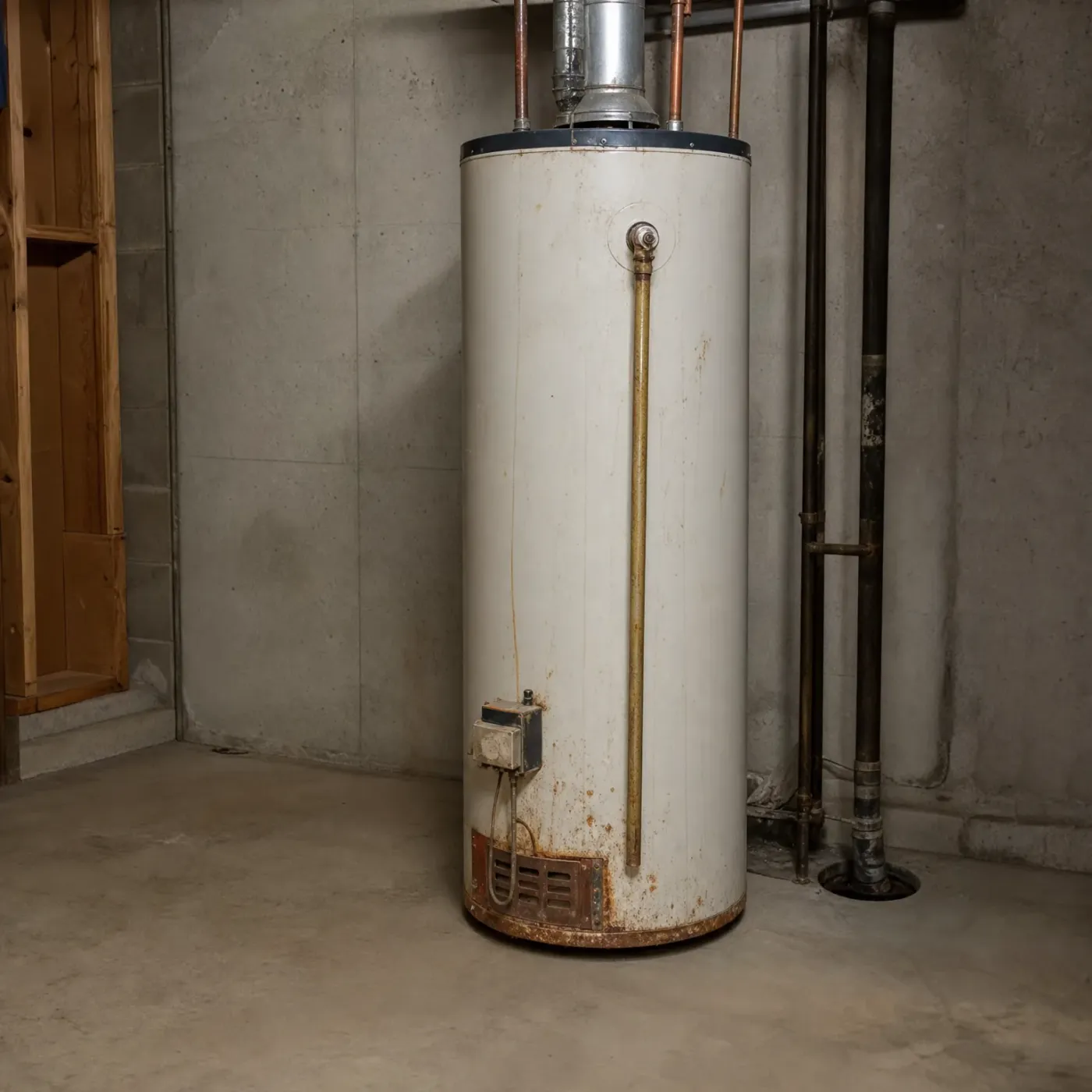
An older white gas water heater with rust staining and an exposed vertical pipe stands against a concrete block basement wall, with a metal flue above and black vertical pipes to the right.

Rust is telling you something

Rust spreading across the lower section and base means the tank is failing from the inside out. Once it shows on the outside like this, the steel has already given way underneath, and a gas water heater in this shape can let go without much more warning. Don't wait for the leak.

Repair It or Replace It

Repair

  • A thermocouple, heating element, or thermostat can be swapped out on its own without touching the tank itself.
  • If the unit is under 10 years old, a single part failure usually costs less to fix than to replace the whole system.
  • A leak at a fitting or valve is often just a loose connection, not a sign the tank itself is failing.
  • Sediment buildup that causes popping sounds or slow heating can sometimes be cleared with a flush instead of a new installation.
  • A pilot light that won't stay lit may point to a bad thermocouple, a part that takes a contractor minutes to replace.
  • If the tank itself still holds water without rust or swelling, the surrounding parts are usually worth fixing first.

Replace

  • Once the tank itself is rusted through or leaking from the body, no repair fixes that; the steel lining is done.
  • A water heater past 10 to 15 years old is working on borrowed time even if it seems fine today.
  • Rust-colored water from the hot tap, especially if it doesn't clear up, usually means the tank is corroding from inside.
  • A unit that's been repaired more than once in the past year or two is costing money without buying much more life.
  • Popping or rumbling that doesn't go away after a flush often means sediment has baked onto the tank floor for years.
  • A household that's grown since the water heater was installed may be better served by a unit sized for current use.
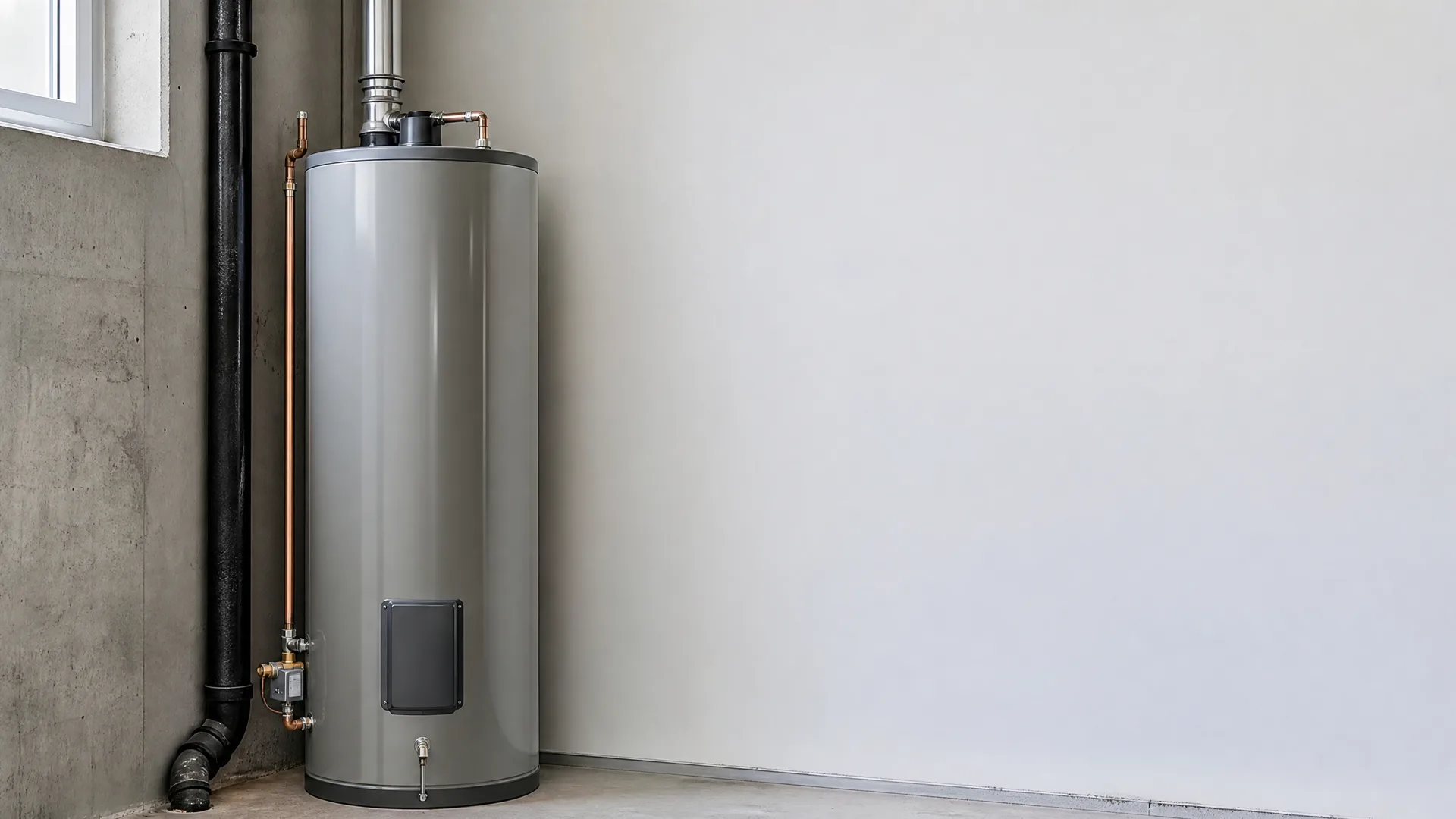
A gray cylindrical water heater with copper piping and a black vent pipe stands in the corner of a room with concrete and white walls.

Why the tank fails from inside

A water heater tank has a glass lining baked onto the steel, and it is never perfect. Small gaps let water reach the metal underneath, which is why every tank has an anode rod wired to it. The rod corrodes first so the tank doesn't. Once that rod is used up, the water starts working on the steel itself. That process is slow for years, then it isn't, and the tank goes from fine to leaking with no stage in between.

A gray cylindrical electric water heater stands in a basement corner against a white wall, with copper pipes and a vent duct above it and a concrete wall and PVC piping to the right.

Electric tanks and the elements inside

Most homes in Washington County run electric water heaters, which use one or two heating elements instead of a gas burner. An element can fail on its own and get replaced without touching the tank, and that's a normal repair on a unit that still has years left. But elements sit in mineral buildup that forms over time, and on an older tank, a failed element is often the first sign that the tank itself is close behind it.

What is your water heater doing right now

Check the floor around the base. A damp spot, a musty smell in the closet, or water pooling near the drain valve means the tank is already letting go. Look at the water itself. Rusty or metallic-tasting hot water, especially right after you turn the tap on, usually means the inside of the tank is corroding. Listen too. Rumbling or popping when the burner or element fires is sediment hardening at the bottom, and it makes the unit work harder to heat the same amount of water. Any of these on their own is worth a look. Rust and a leak together means the tank has failed, and waiting risks water damage to the floor and whatever is stored nearby.

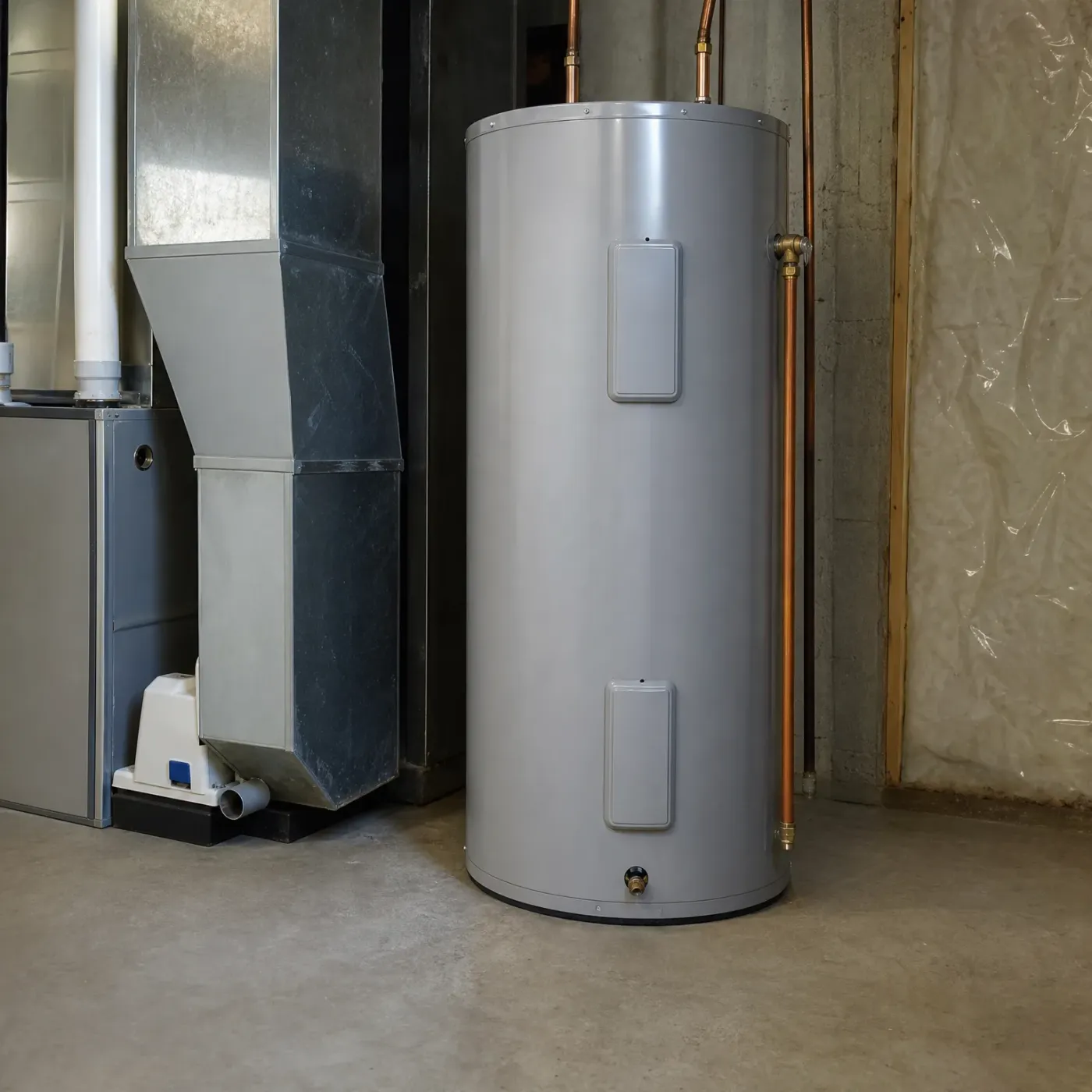
A gray cylindrical electric water heater with two access panels stands on a concrete floor in a basement, with copper pipes above and behind it, sheet-metal ductwork and a furnace to the left, and a plastic-covered insulated wall to the right.

Holding up fine

A setup like this one isn't asking for attention. Copper supply lines are tight, fittings are clean, and the tank sits level on the floor with no staining on the concrete underneath. Whatever is feeding the burner or the element, it's doing its job without a fight.

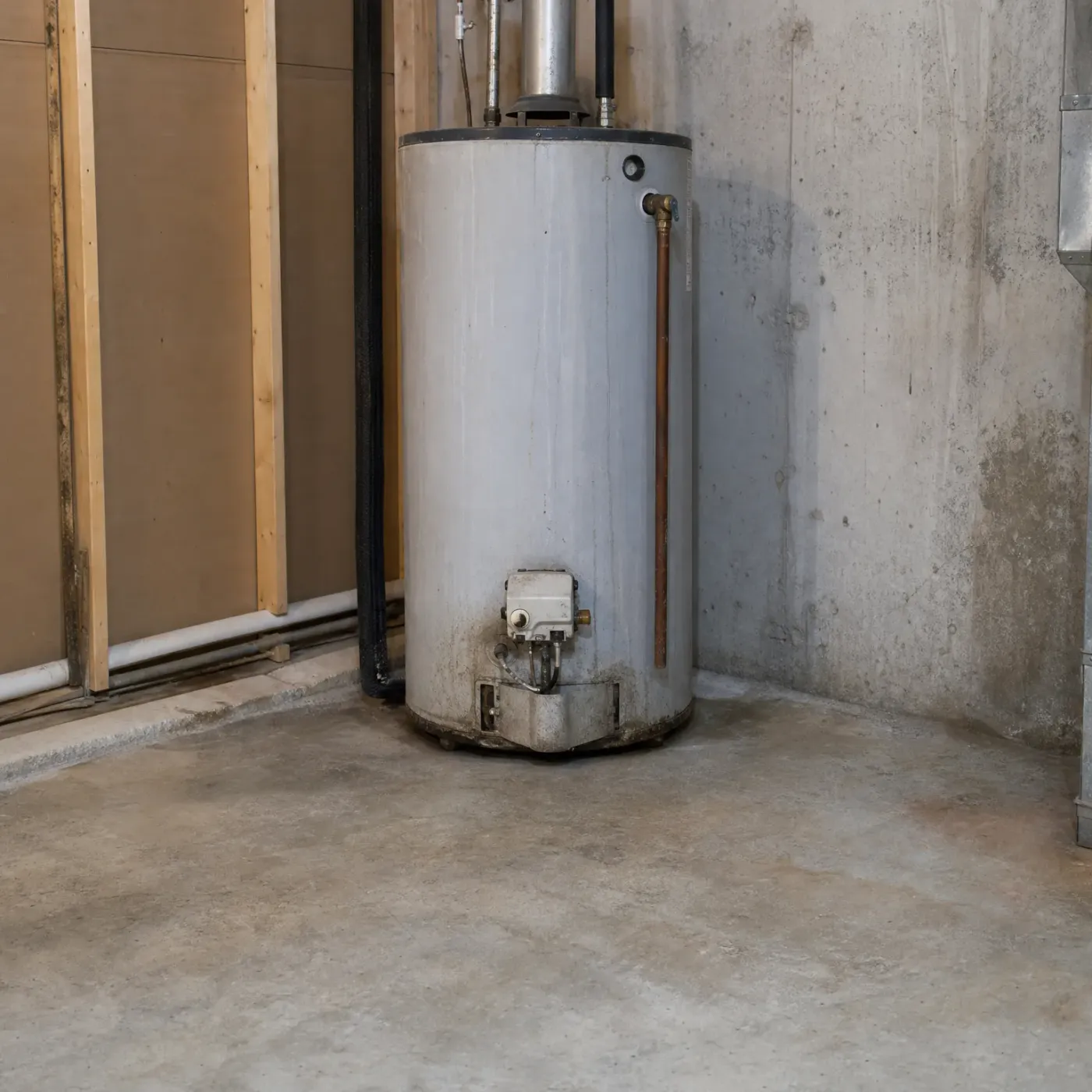
An older gas water heater with a copper pipe and flue stands on a concrete floor in a basement corner between a bare concrete wall and an unfinished wood-framed wall.

Past its working life

Rust and grime built up around the base and burner tell you water has already found a way out, or is about to. The flue pipe and fittings are original to a tank that looks every bit its age. A unit in this shape isn't a repair candidate anymore, it's waiting to fail.

Power here costs 13.18 cents per kilowatt-hour

At 13.18 cents per kilowatt-hour, running an electric water heater here costs less than it does in most places. That changes the math on replacing one. A new unit with a better-insulated tank or a heat pump model earns back its price faster when power is this cheap, so age and condition matter more than waiting out the bill.

EIA-861 2025

An older woman with gray hair in a cream knit sweater sits under a blanket on a sofa by a window, looking outside toward yellow-leaved trees, with a lamp, shelves and an armchair in the room behind her.
A gray-haired woman in a chunky knit sweater sits in an armchair with a blanket, looking out a window at yellow autumn foliage, with bookshelves and a potted plant behind her.
A gray-haired woman in a navy sweater sits in an armchair with a knit blanket beside a window, looking out at yellow autumn foliage, with a dining table and houseplant in the room behind her.
A gray-haired woman in a gray cowl-neck sweater sits in an armchair with a blanket, looking out a dark-framed window toward yellow autumn trees.

Get matched with a water heater pro in Washington County

If your water heater is past 10 years old and showing any of the signs above, waiting on it is a bet you're likely to lose, and the loss is a flooded closet or a ruined floor rather than a few more months of hot showers. A repair makes sense for a young unit with one bad part. It stops making sense once the tank itself is the problem, because no part swap fixes a lining that's breaking down from the inside. With power here cheap and most homes running electric, a new unit also starts paying you back right away instead of just sitting there depreciating. You don't need to figure out which it is on your own. Send your information along and a contractor who works on water heaters in Washington County will look at your situation and tell you straight whether it's worth fixing or time to replace it.

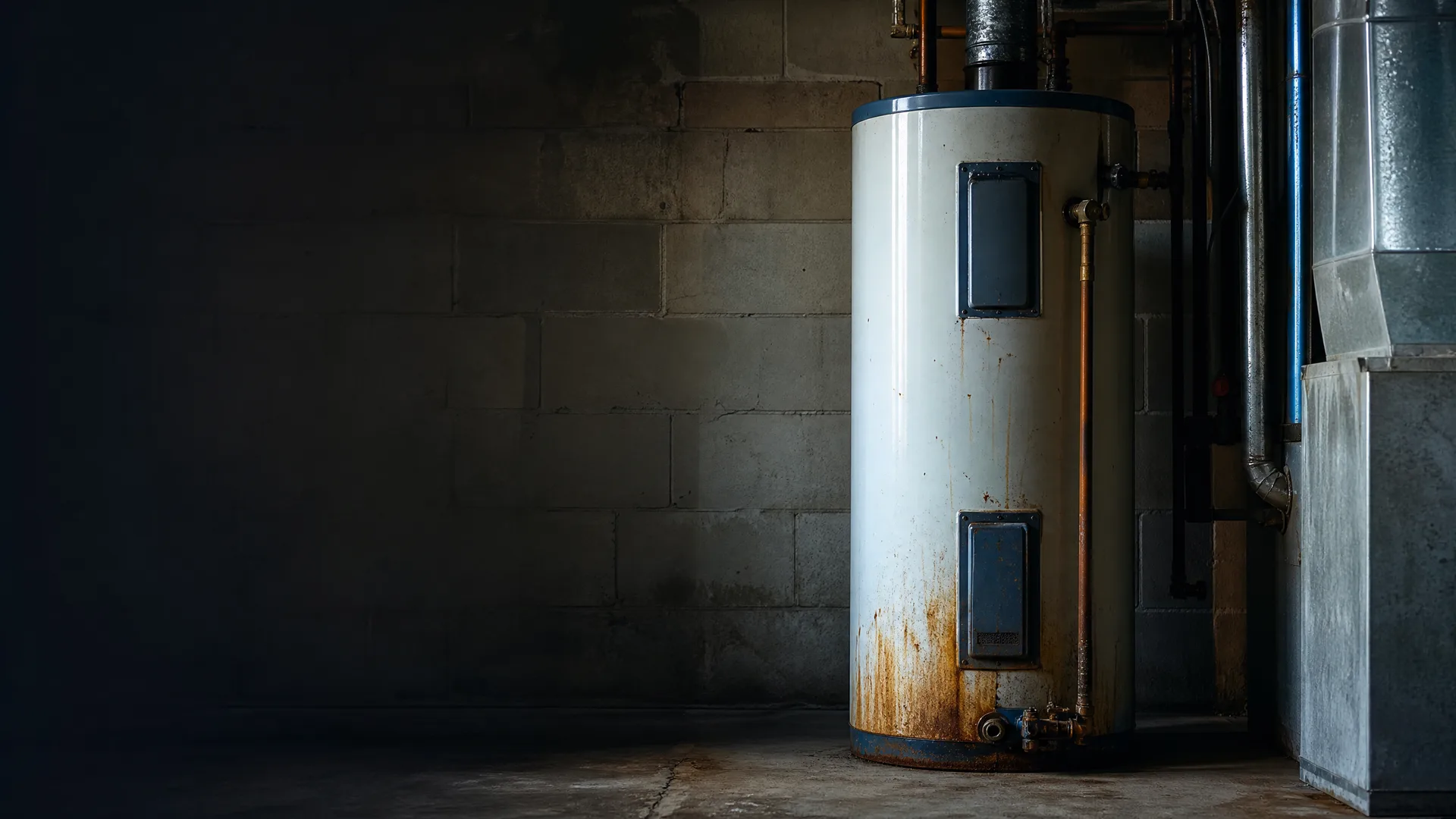
A rusting white and blue water heater with copper and steel pipes stands against a concrete block wall in a dim basement with a bare concrete floor.

It's past eight on a cold evening and you're in the utility room grabbing the laundry before bed. The light overhead is dim, one bulb. The old tank sits in the corner, and that's when you see it, a line of rust running down the side near the base, pooling faintly on the concrete. You crouch down and touch the floor. It's damp. The tank's been making a faint ticking sound for weeks and you'd written it off as the house settling for winter. Outside, Washington County is already into the cold months, and the thought of no hot water tomorrow morning sits heavier than the rust does.

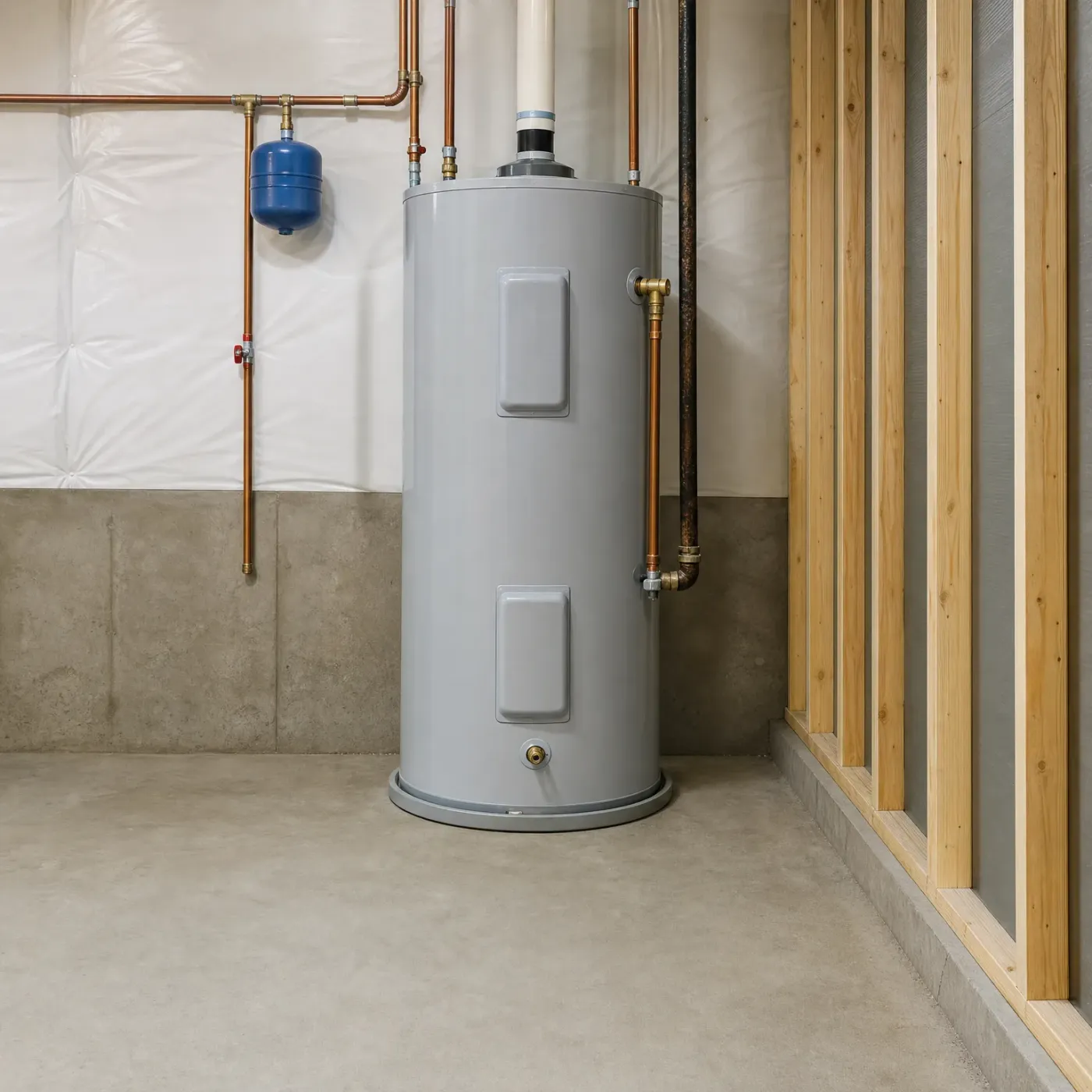
A gray cylindrical water heater stands on a concrete basement floor against a plastic-sheeted insulated wall, with copper supply pipes, a blue expansion tank, a black vertical pipe, and exposed wood wall framing at right.
Copper lines are tight, the expansion tank is secured, and nothing on the floor around it is wet.
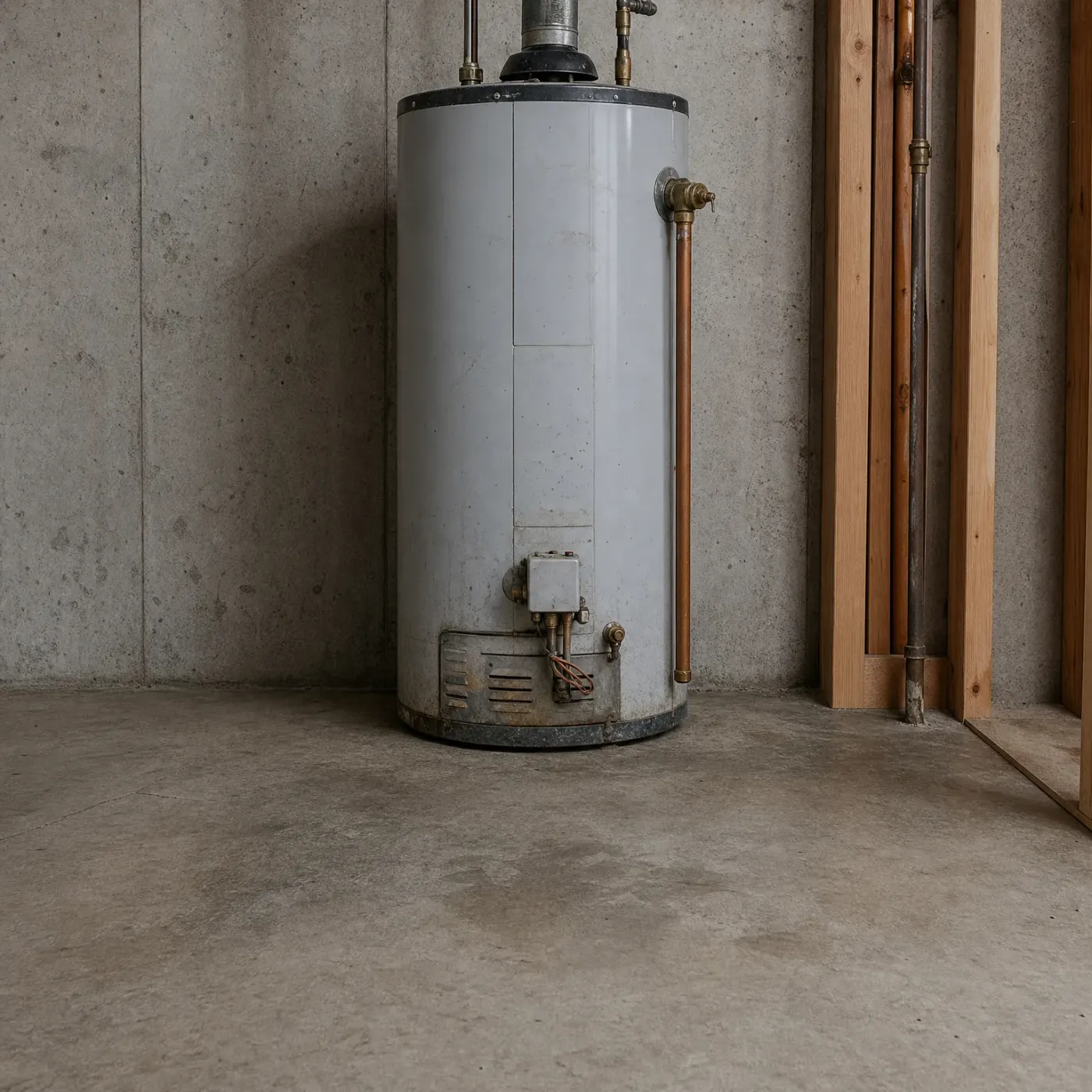
An older gray gas water heater with copper and brass piping stands on a concrete floor against a concrete wall, beside exposed wooden wall framing and vertical pipes.
Rust and grime have worked into the burner assembly, and the pipe fittings nearby show the same wear.
  1. Sediment settles on the tank bottom and hardens into a layer.

  2. That layer blocks heat from reaching the water above it.

  3. The burner or element runs longer to make up for it.

  4. Trapped water under the sediment boils and pops the tank seams.

Why does my water heater only last so many years?

Why does my water heater only last so many years?

The glass lining wears through and the anode rod runs out

Every tank has a glass lining fused to the steel, and an anode rod wired inside it. The rod is the part that's supposed to wear out. It corrodes on purpose so the steel doesn't, drawing the rust reaction to itself instead of the tank wall. Once the rod is used up, usually somewhere around that 10 to 15 year mark, there's nothing left to protect the lining where it's thin or cracked. That's when water starts reaching bare steel, and rust works through from the inside out. You won't see it happening from outside the tank. The first sign is usually a leak at the base, not a warning before one.

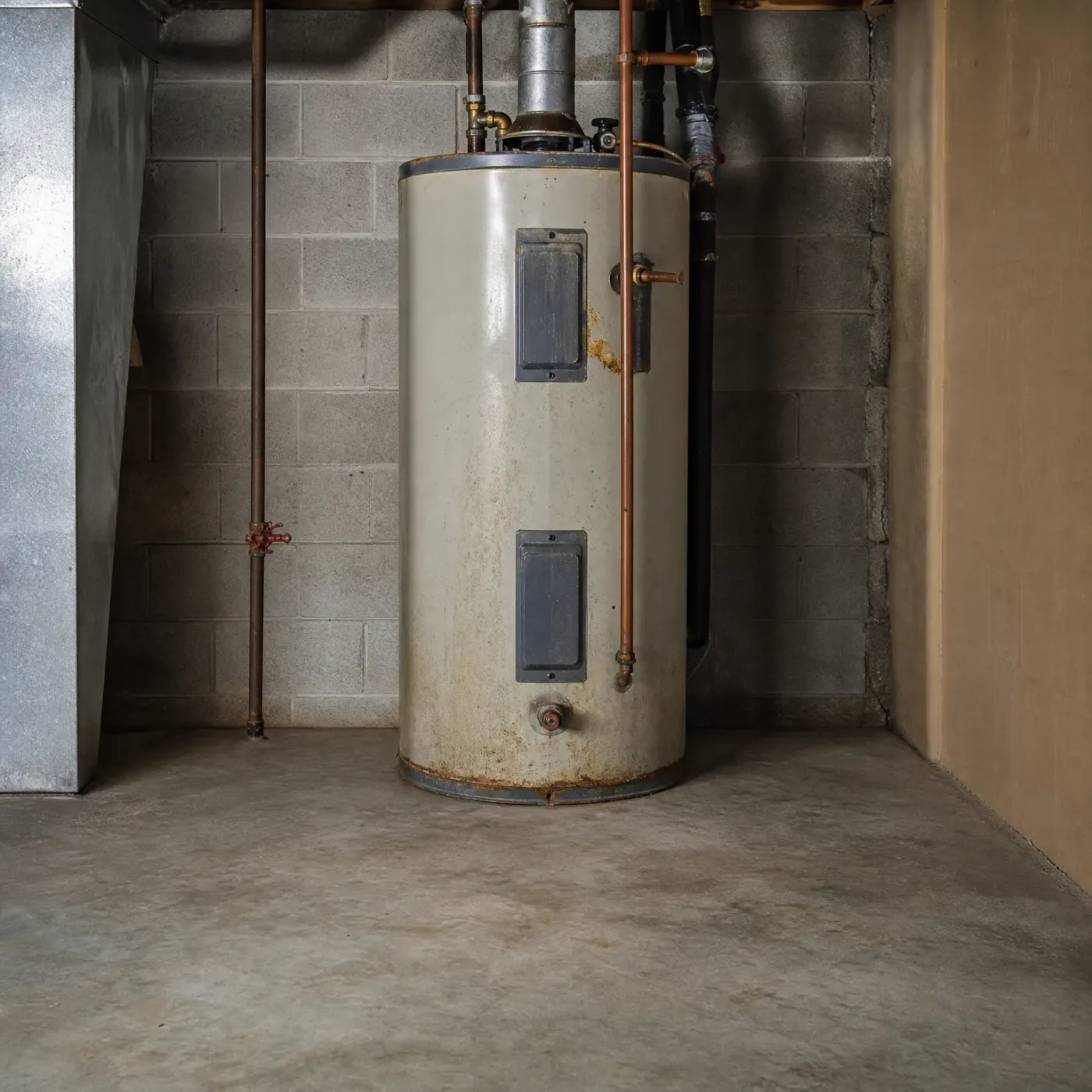
An aging cream-colored water heater with rust streaks and two access panels stands on a concrete floor against a concrete block basement wall, with copper and black pipes running up to the ceiling and a metal duct at left.
Before you get your water heater installation
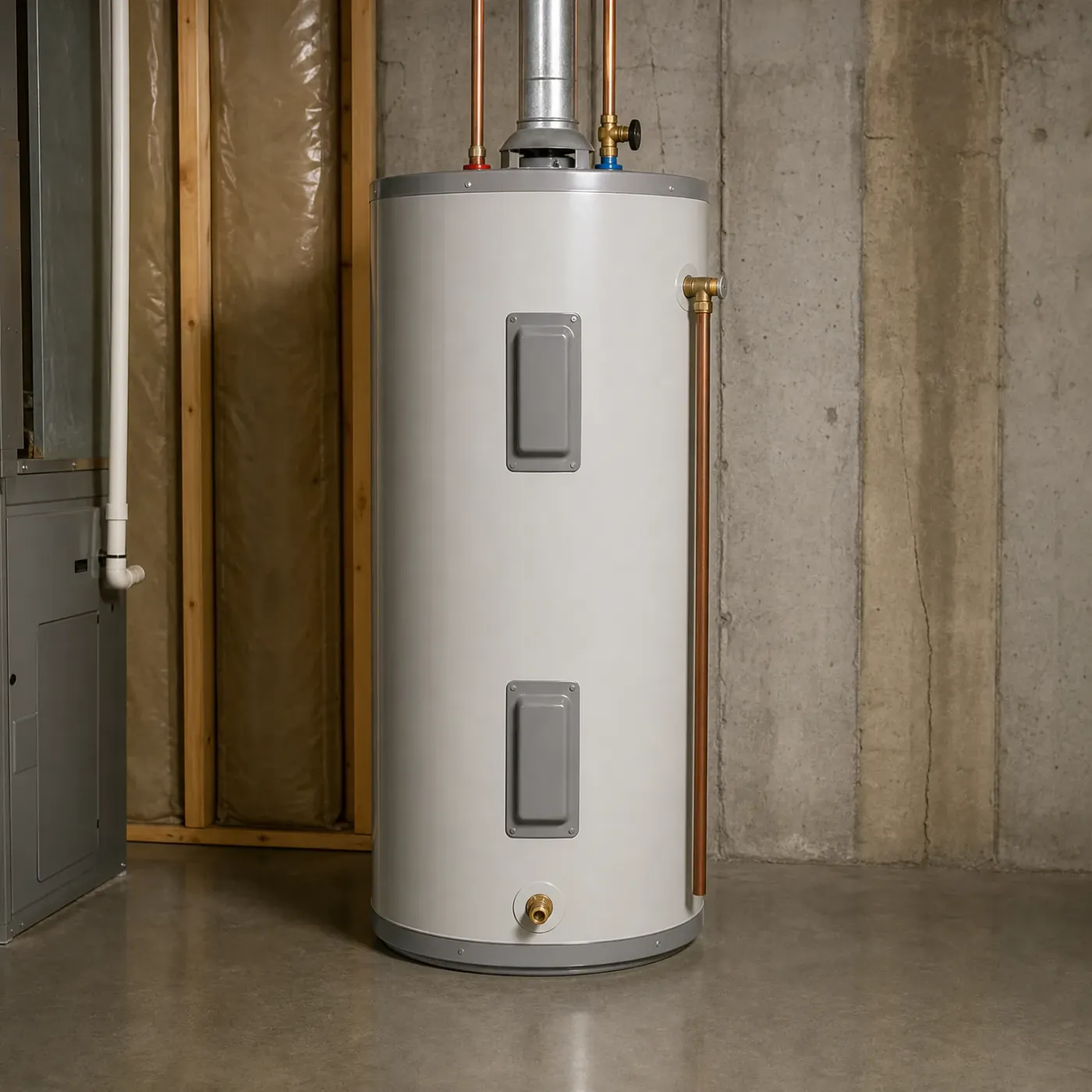
A white cylindrical water heater with two access panels, copper supply pipes and a metal flue, standing on a concrete floor against a concrete wall beside insulated wood framing and a gray electrical panel.
After you get your water heater installation

Where That Leaves You

  • Age past 10 to 15 years, paired with rust in the water or at the base, means the tank is failing and not just aging.
  • A single repair on a unit under 10 years old is usually the cheaper fix, but the same repair on an older tank is money spent toward a replacement anyway.
  • Cheap power at 13.18 cents per kilowatt-hour makes a new, better-insulated tank or heat pump unit pay for itself faster here than in most places.
  • A damp floor, a musty closet, or a popping sound from the tank are the signs that move this from a someday job to a now job.
  • Once a form is sent, the work of finding someone to install it is off your plate.

A water heater tells you where it stands if you know what to check. Age is the first marker, and 10 to 15 years is where the odds turn against the tank. Rust in the water, a damp spot on the floor, or a popping sound from inside the tank are what turn that age into a now instead of a someday. A unit younger than that with one failed part is usually worth fixing, since a thermostat or heating element costs less than a new system. Past that age, the same repair just delays what's already coming. Power here runs 13.18 cents per kilowatt-hour, cheap enough that a new tank with better insulation, or a heat pump unit, earns back what it costs faster than it would most places. That's worth weighing once a tank is old enough that replacement is on the table anyway. None of this means guessing. Look at the base for water, look at the water itself for rust, listen for sounds that weren't there before. If what you find lines up with the age of the tank, the decision is already made, the only question is timing. When you're ready to move on it, sending the form is the last thing you have to do yourself. From there, matching you with a contractor who installs water heaters in your area is the next step, and finding that person stops being something you have to manage.

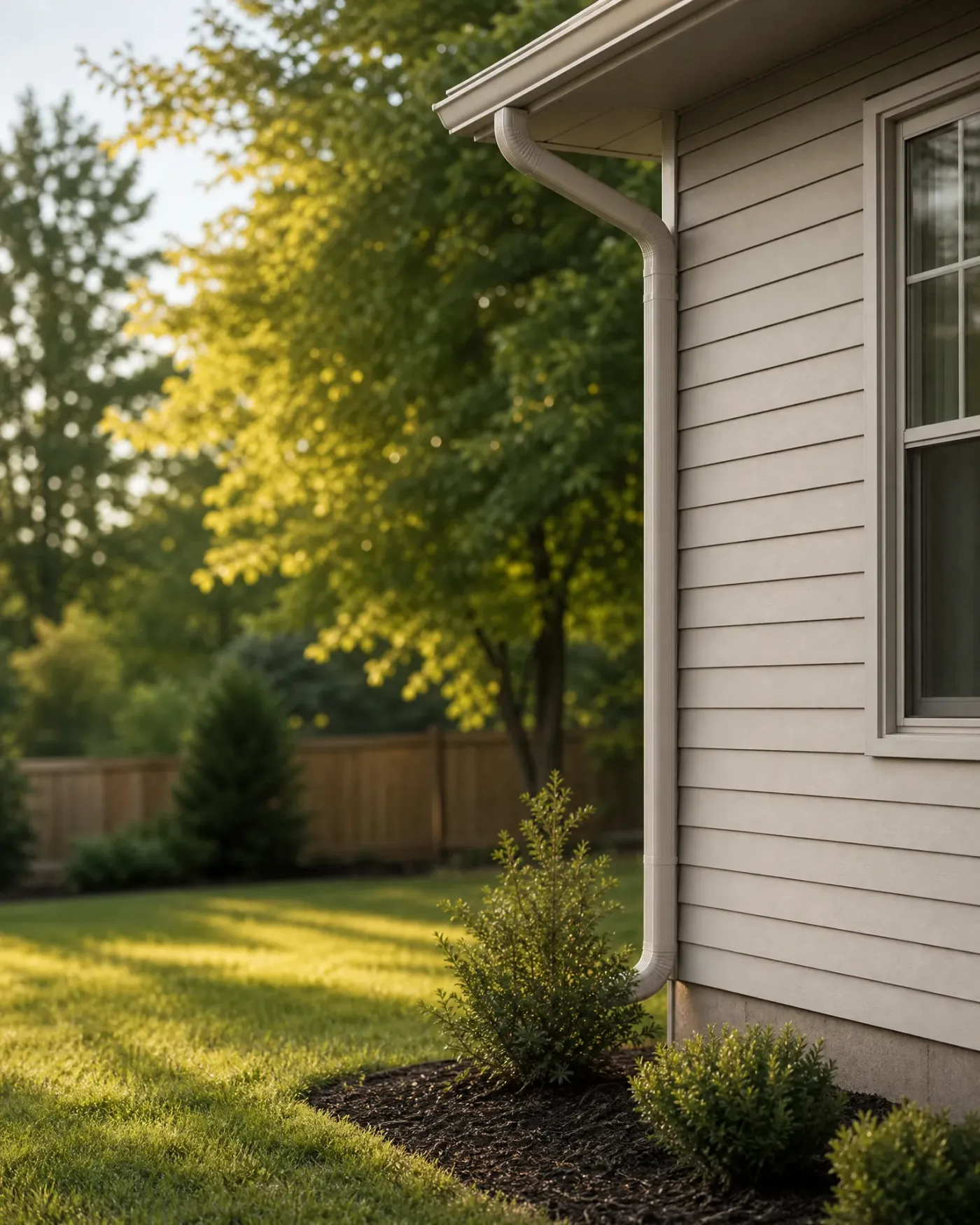
Corner of a house with light horizontal lap siding, a white gutter and downspout, and a window, beside a mulched bed with small shrubs, a lawn, wooden fence and trees in the background.
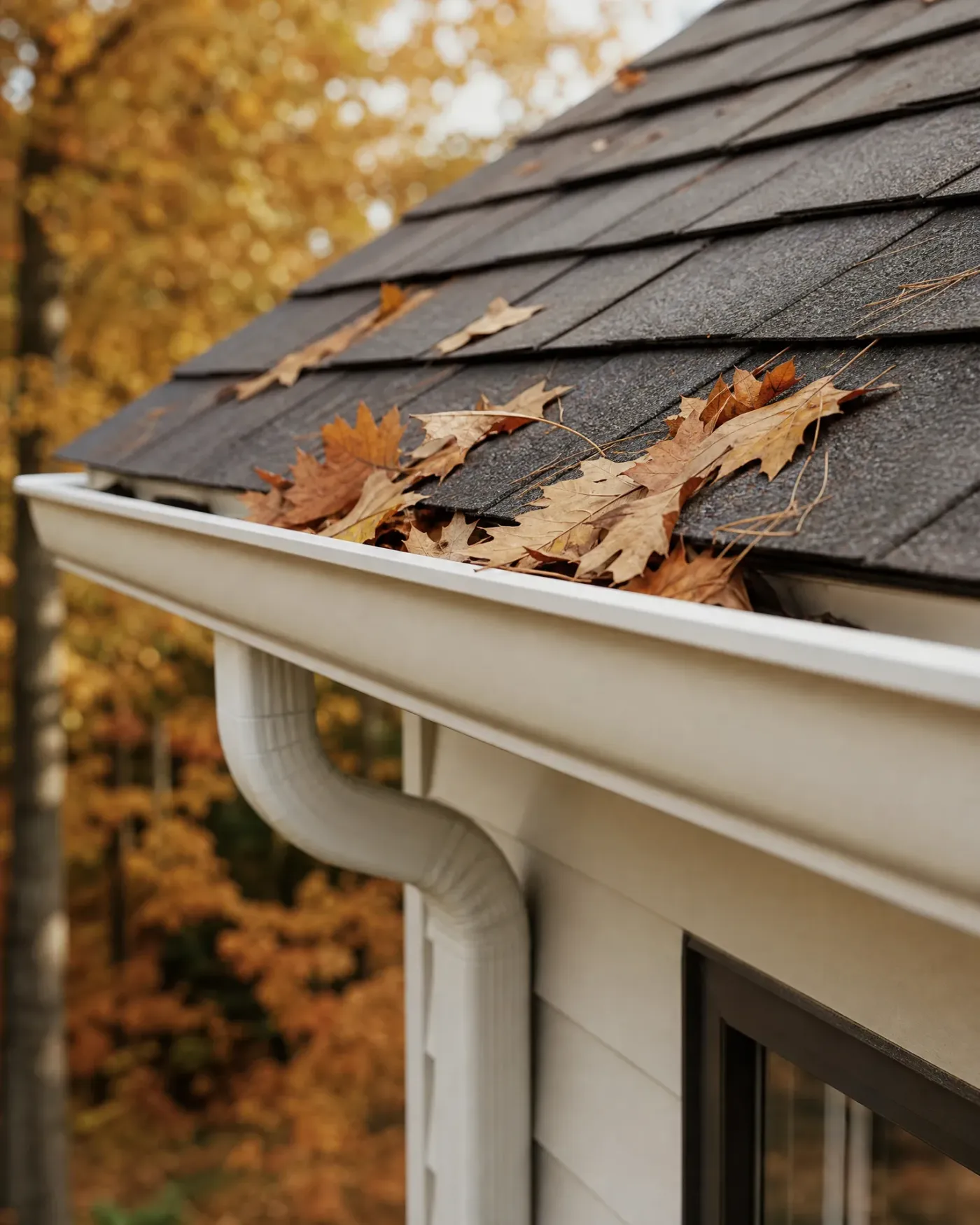
Close-up of a white gutter along an asphalt-shingle roof edge with dry brown leaves collected in it, a downspout and lap siding below, and blurred autumn trees in the background.
Exterior corner of a house with horizontal lap siding above a stone veneer base and a dark-framed window, with ornamental grasses and shrubs in the foreground and trees in low sunlight behind.
A white horizontal-siding house with a steep gray shingled gable roof, fronted by trimmed shrubs, a brick walkway, and a lawn scattered with fallen autumn leaves.
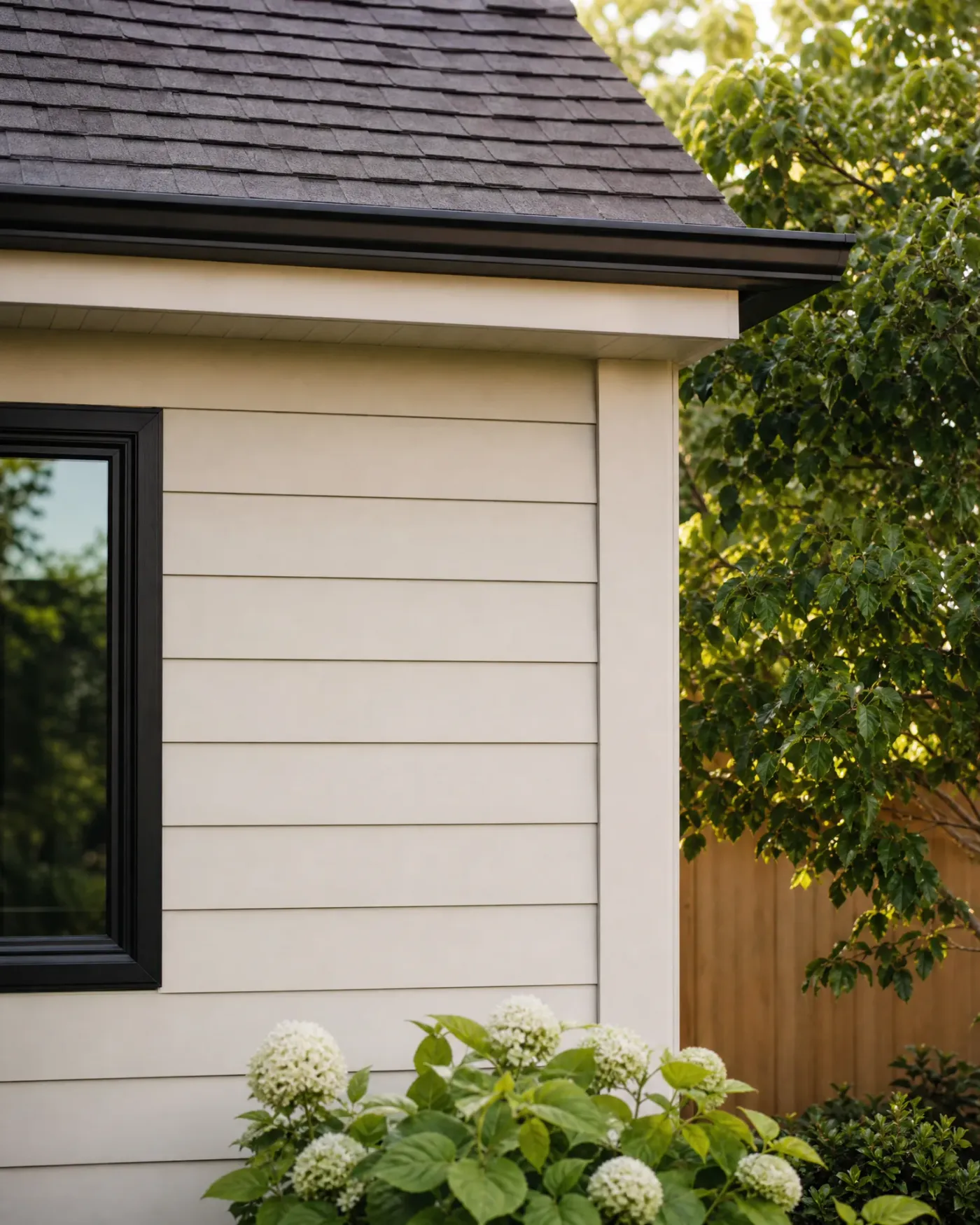
Corner of a house with cream horizontal lap siding, a black-framed window, asphalt shingle roof with dark fascia, white hydrangea blooms and green shrubs below, and a leafy tree and wood fence to the right.

Find a water heater installation pro in Washington County

Once you send the form, finding a pro is off your list.

Match me with a pro

There's no charge for the request.