
Why your hot water is lukewarm in Arkansas
Why is my hot water lukewarm instead of hot?
Lukewarm water usually means something is only half working rather than completely broken, which is why it's easy to put off. You turn the handle expecting hot and get water that's warm at best, and it stays that way whether you run it for two minutes or ten. Before you call anyone, it helps to know what's actually going on and whether this is a small fix or a sign the unit is further along than you'd like.
One of the two heating elements has failed
Most water heaters in Arkansas homes run on electricity, and electric tanks use two heating elements, one near the top and one near the bottom. When the bottom element fails, the top one still heats the water near it, so you get warm water instead of cold, but it never reaches full temperature no matter how long you wait. A bad thermostat or a loose wire can cause the same thing. It's not something to leave alone. The failed element won't fix itself, and the working one is now carrying a job built for two, which shortens its life and raises the electric bill in the meantime.
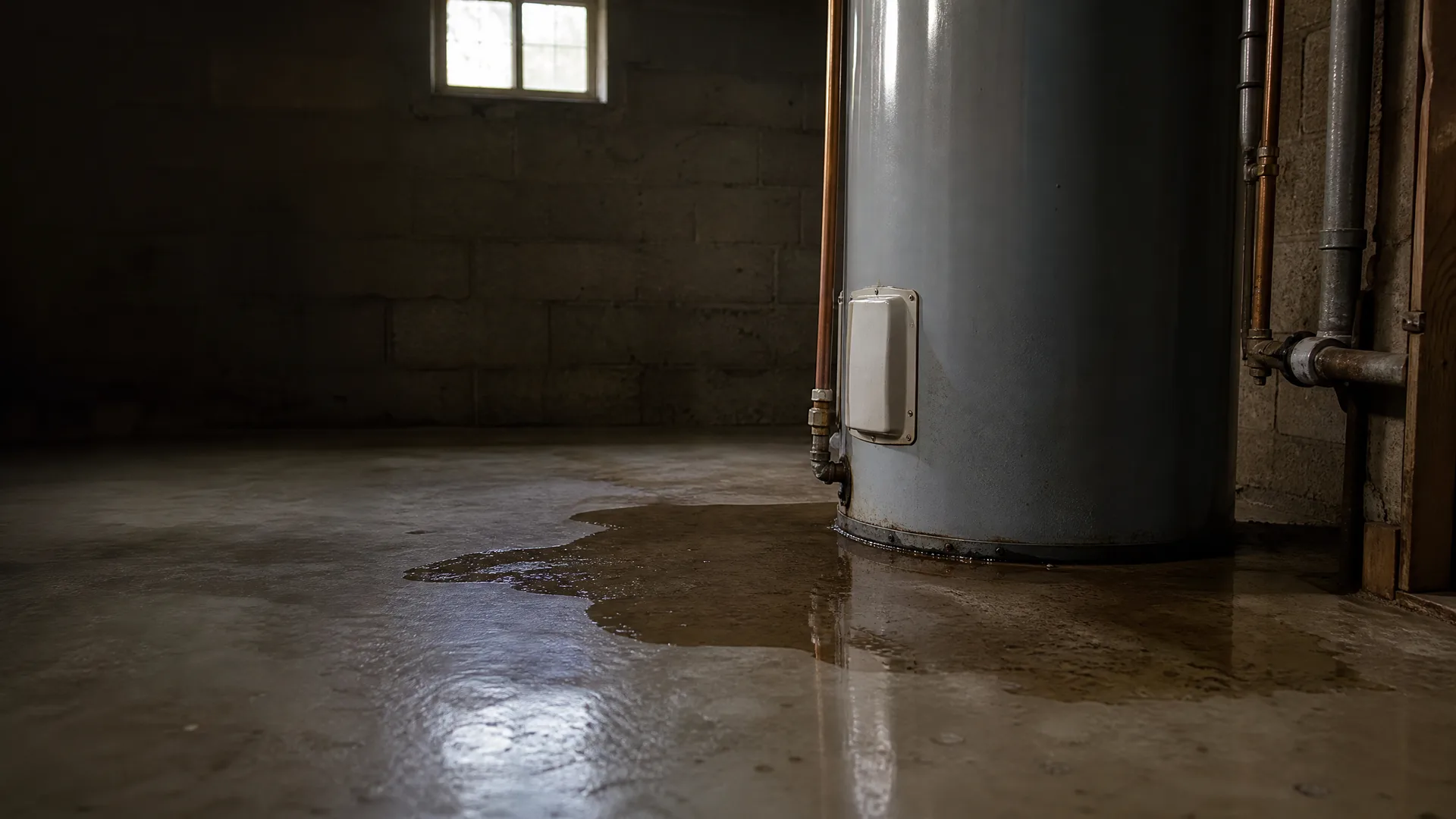
Saturday morning, and you're down in the basement to grab something off the shelf when you feel it before you see it, a damp sock. Water has crept out from under the tank and spread across the concrete, maybe a foot wide, still spreading slow. The tank itself looks fine from the outside. No hissing, no smell, just that quiet puddle working its way toward the drain. You think back to the shower you took an hour ago, how the water never got past warm no matter how long you let it run. You hadn't connected the two until right now, standing in it.
Is your water heater quietly running out of steam
You notice it most at the end of a shower, when the water turns cool before you're done rinsing. Or the dishwasher runs a cycle and the water coming out of the tap right after feels tepid instead of hot. Maybe two people can't shower back to back anymore without the second one getting shortchanged. You might hear the tank ticking or popping when it's heating, a sound that wasn't there before. With an electric tank, this often means one of the two heating elements has failed and the other is trying to do the job alone. Left alone, that single element works harder and wears out sooner, and you're paying for a full tank of hot water you're not getting.

Cold water enters the tank and sinks to the bottom first.
The lower heating element heats that bottom layer of water.
Hot water rises and collects near the top of the tank.
The upper thermostat calls for heat only when that top layer cools.




Stop chasing a water heater pro
A lukewarm shower doesn't fix itself by waiting. If it's a heating element, a thermostat, or a buildup of sediment sitting between the burner and the water, it stays broken until someone with the right tools looks at it. In the meantime you're working around it, running the dishwasher at odd hours, telling the kids to shower fast before the warm water runs out, maybe heating water on the stove for dishes. That's the part that wears on you more than the repair itself ever would. Finding someone to look at it usually means searching around, calling a few places, explaining the same problem over and over, then sitting with quotes trying to tell who's reasonable and who isn't. Arkansas summers are muggy enough without adding a cold shower to the list. Send the request and that search becomes someone else's job instead of yours. You go back to your Saturday, and the water heater gets handled.
How your two elements share the job
- Most electric water heaters in Arkansas have two elements, and the bottom one does most of the work during a normal day.
- A thermostat on the tank wall tells each element when to switch on, and a bad thermostat can leave the bottom element running alone.
- The two elements never run at the same time by design, so a tripped high-limit switch on one leaves the other carrying the whole tank.
- Sediment settles on top of the lower element first, since cold water enters at the bottom, and it insulates the element from the water it's supposed to heat.
- A lower element can fail by itself while the upper one still works, which is why you get some warm water instead of none at all.
- A double-pole breaker that's half tripped can cut power to only one element, and the tank will still try to heat with the other.
Most electric water heaters work with two elements stacked inside the tank, one near the top and one near the bottom, and they're not supposed to run together. A thermostat on the outside of the tank controls each one, calling for heat when the water nearby cools off, then shutting that element down once it's satisfied. Cold water coming into the tank sinks to the bottom, so the lower element is the one doing most of the heating on a normal day. That's also where sediment collects first, and once it builds up it sits between the element and the water, so the element heats the grit instead of what's flowing through the tank. If that lower element burns out, or its thermostat quits telling it to fire, the top element can still work fine on its own. It'll heat the water near the top of the tank, which is what comes out first when you turn on the tap, but once that layer runs out you're left pulling from a tank that's only half heating. A half-tripped double-pole breaker does something similar from the electrical side, feeding power to one element while leaving the other dead. Either way you get real hot water for a little while, then a drop to lukewarm, because only one of the two elements that's supposed to be heating your tank actually is.
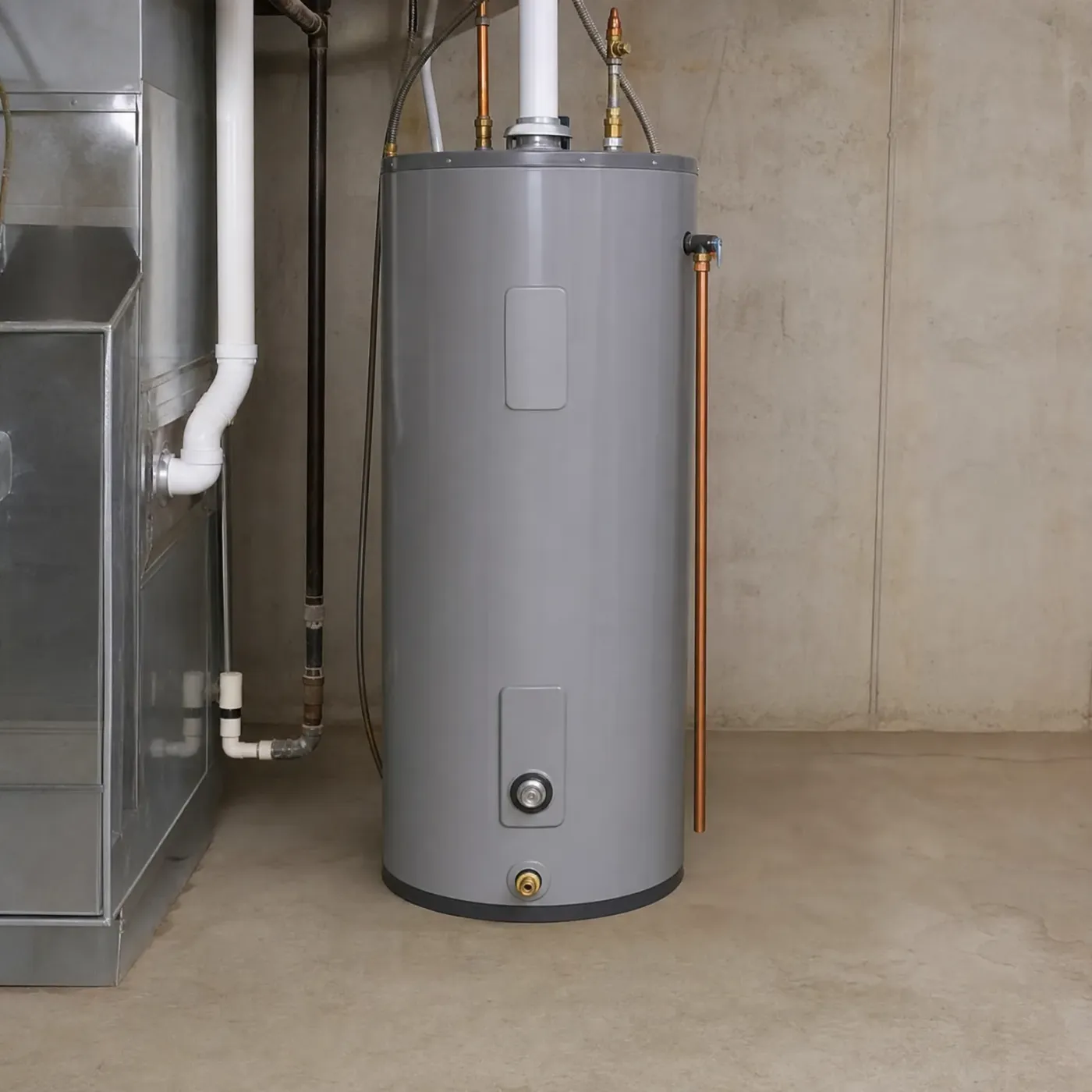
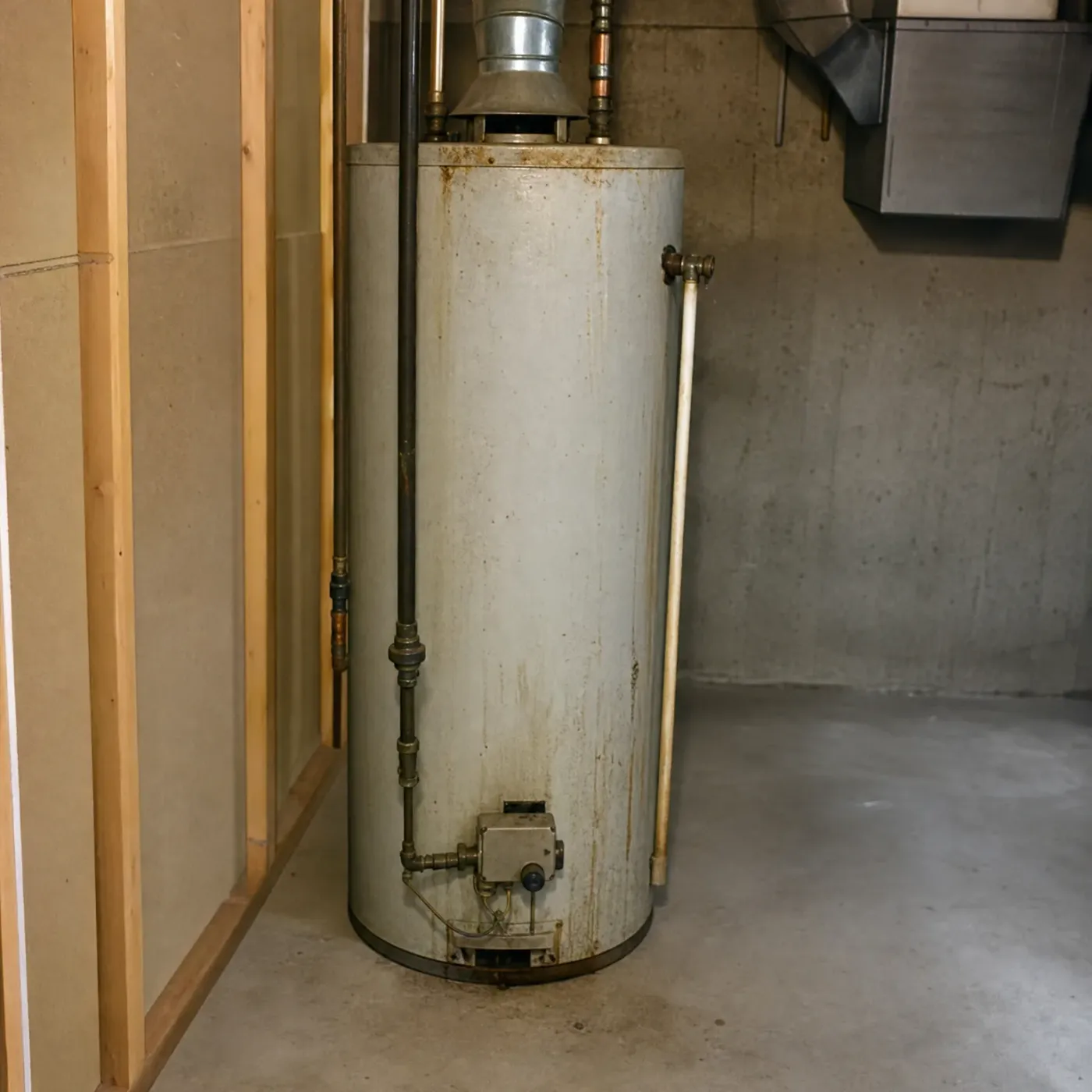
53.7% of homes statewide heat with electricity
Most homes in Arkansas run on electric water heaters, not gas, since electricity heats 53.7% of homes statewide. That means two heating elements doing the work instead of one burner, which gives you two separate points where a failure can leave you with lukewarm water instead of hot.
ACS 2020-2024 5-year B25040
Lukewarm water almost always comes down to one of a few things: a failing heating element, a bad thermostat, or sediment sitting where it shouldn't be. None of those get better with time, and none of them need a new water heater to fix. What they need is someone who can test the elements, check the thermostat settings, and see what's built up at the bottom of the tank. That's the part you don't have to handle yourself. Instead of searching through contractor listings, calling around to see who answers, explaining the same lukewarm shower story two or three more times, and trying to sort out which quote actually covers the problem, you send one form and the search is over. Someone licensed to work on your water heater takes it from there. You still live with electric rates and an Arkansas summer either way, but you won't be standing under a half warm shower wondering if tonight's the night it goes out completely.





Hand off the water heater problem
Explain the job once and skip repeating it on every call.
No fee to send it, and nothing to sign.