Why your hot water smells like rotten eggs in Arkansas

Tell a local repair pro what your water heater is doing.

Find a water heater pro

That rotten egg smell comes from hydrogen sulfide gas forming inside the tank. Your water heater has a magnesium or aluminum anode rod that attracts corrosion so the tank itself doesn't rust out. Certain bacteria that live in water feed on that rod and give off the smell as a byproduct, and it tends to show up more in homes on well water, though it happens on city water too. Hot water draws it out more than cold, which is why you smell it at the shower or the sink and not from the hose outside. It isn't dangerous to bathe in or wash dishes with, but it means something inside the tank needs attention, usually the anode rod itself or the water sitting inside the tank for too long between uses. Left alone, it won't fix itself.

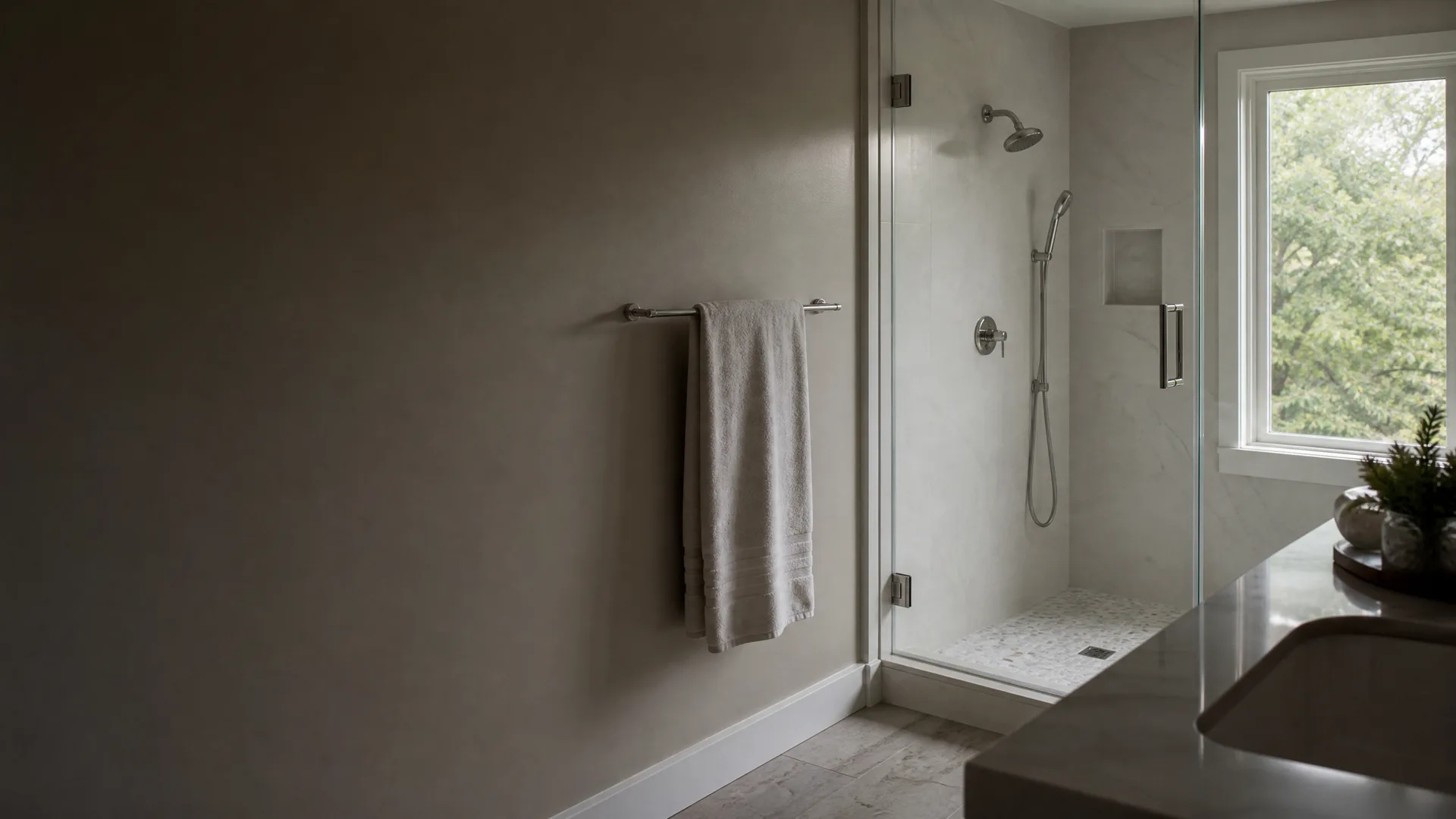
A bathroom with a gray towel hanging on a bar against a taupe wall, a glass-enclosed shower with marble-look tile, showerhead and handheld sprayer, a window showing green trees, and a stone countertop with a sink at right.

You turn the shower on and go hang your towel on the rail. Monday morning, same as always, kids still asleep down the hall. By the time you step in, the smell hits before the water does, that rotten egg stink rising with the heat. No steam yet, just that sulfur smell filling the small bathroom. You stand there a second, hand still on the towel, wondering if you can even stand to wash your hair in it. Arkansas humidity already has the air thick enough most mornings. This makes it worse. You crack the window, turn the water up hot, and hope it clears before anyone else wakes up and asks what that smell is.


Why does my hot water smell but not my cold water?

You checked the cold tap and it runs clean. Only the hot side carries that rotten egg smell, which rules out your home's main water line or city supply as the cause. That points straight at the water heater tank itself, since nothing else in the house would treat hot and cold water differently once it's inside the pipes.

Only the hot water passes through the tank, where the smell starts

Cold water in your house goes straight from the supply line to the tap. Hot water stops inside the tank first, where it sits against the anode rod before it ever reaches your shower or sink. That's where the reaction happens between the rod and the bacteria in the water, and that's where the gas forms. Cold water never touches the inside of that tank, so it never picks up the smell. If the odor shows up on both sides, the cause is usually something in the groundwater itself rather than the anode rod, and that points to a different fix than the one your water heater needs.

  1. Bacteria in the tank combine with sulfur in the water

  2. That reaction pulls hydrogen off the anode rod's surface

  3. Hydrogen and sulfur bond into hydrogen sulfide gas

  4. The gas collects in the tank's empty upper space

Is this happening every time you run hot water

You notice it at the kitchen sink filling a pot, or standing in the shower waiting for it to warm up. The smell is strongest right when the hot water starts and fades some as it runs, though in a bad tank it never really clears. It can be stronger in the morning after the water has sat in the tank all night. If the tank's been smelling like this for a while, the water sitting in it has bacteria working in numbers large enough to notice, and that same water is what your household drinks, cooks with and bathes in once it runs through the hot tap.

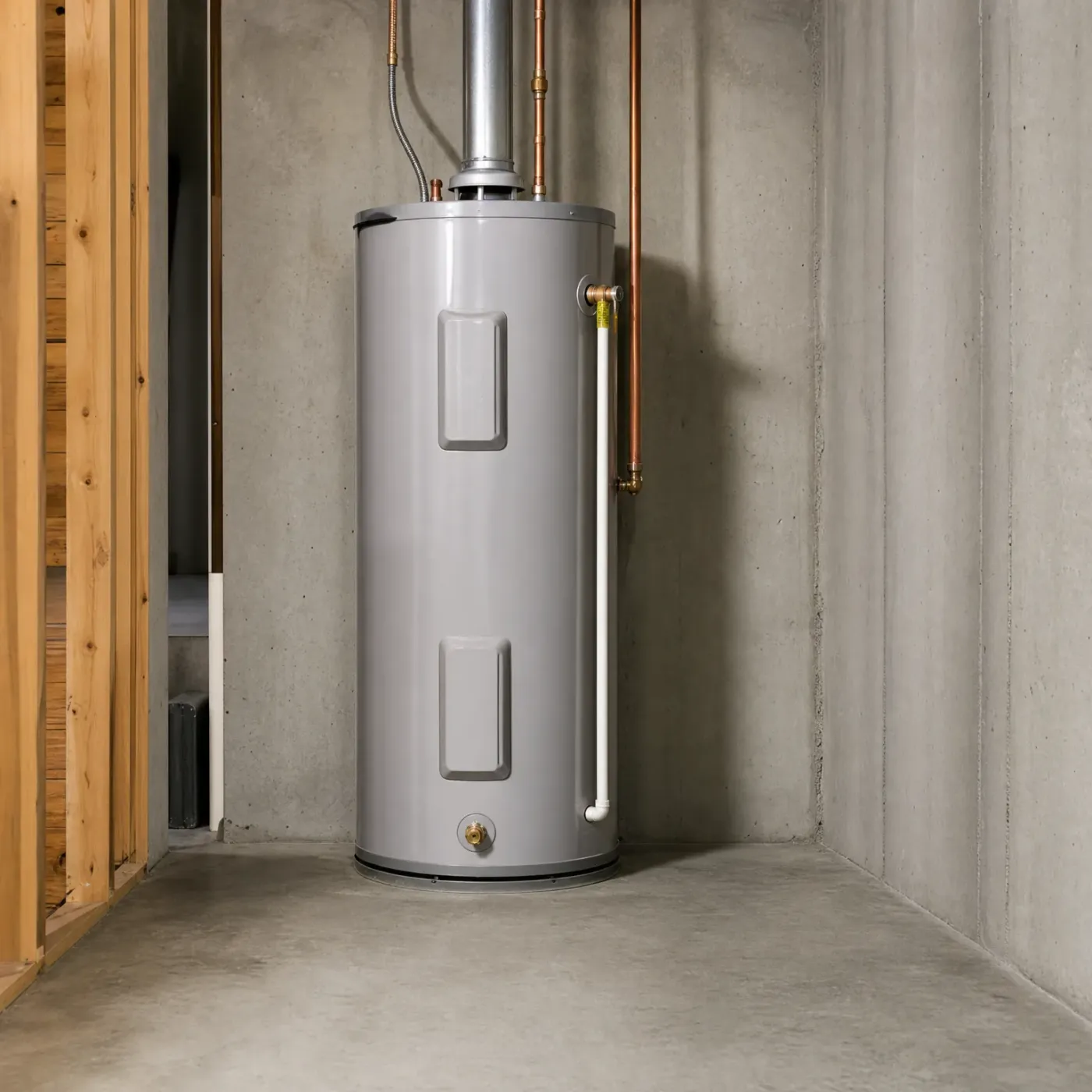
A gray cylindrical water heater standing in a concrete-walled basement corner, with copper and white pipes and a metal flue running up to the ceiling, next to exposed wood framing on the left.

A tank that's keeping up

This is what a water heater looks like when the anode rod is still doing its job. The tank is clean, the fittings are tight, and the relief valve pipe runs down the side the way it should. No smell, because nothing inside is breaking down the way it would in an older tank.

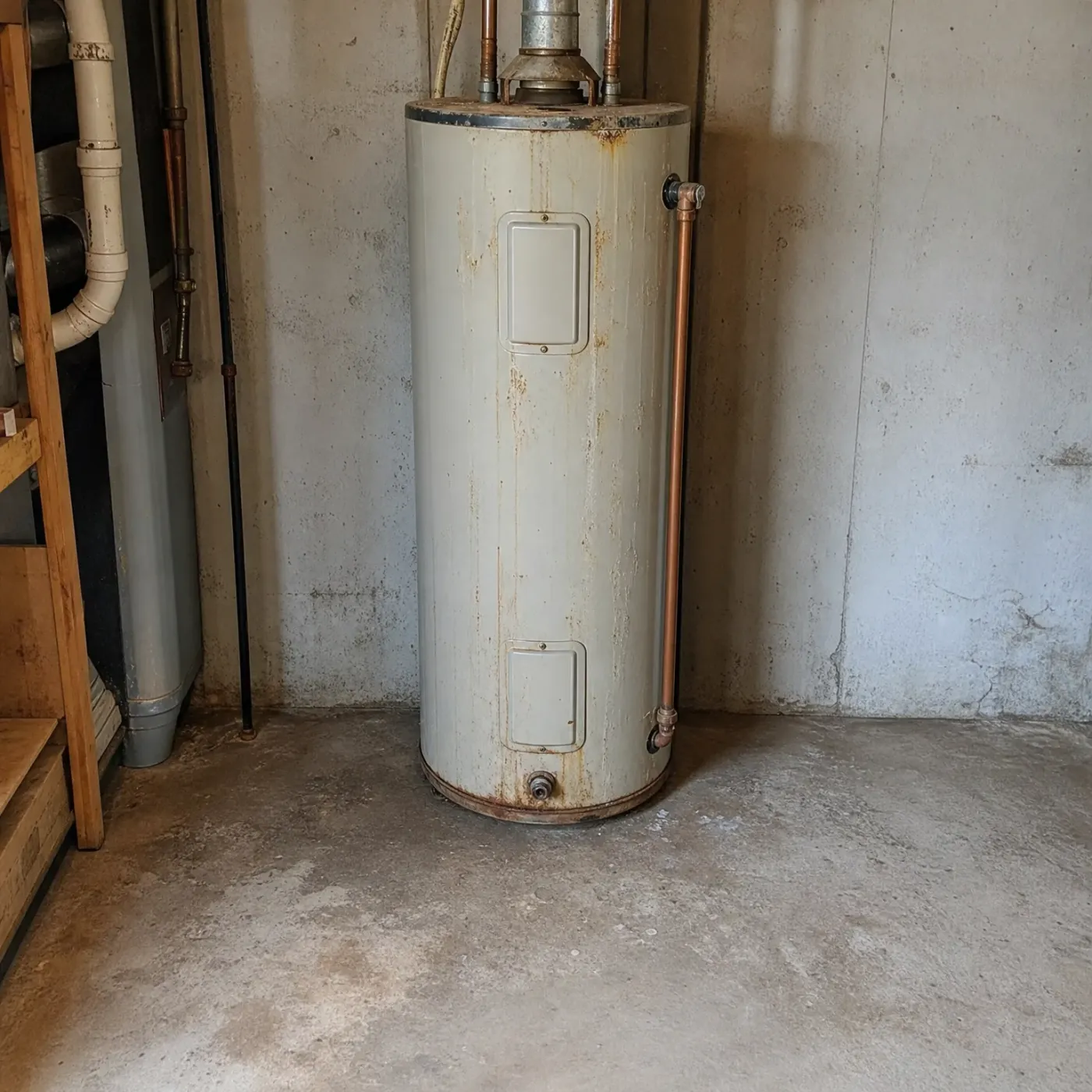
A rusted cream-colored water heater with copper piping and a flue stands in the corner of a concrete-walled basement next to wooden shelving and ductwork.

A tank past its anode rod

Rust like this on the outside often means the anode rod gave out a long time ago inside. Once that rod is spent, the tank has nothing left to protect it, and the conditions that cause the rotten egg smell only get worse from here.

A woman with dark hair in a bun wearing a cream knit sweater sits on a gray sofa in a bright living room, looking off to the side.
A woman wrapped in a knit blanket sits on a gray sofa in a living room, looking toward a bright window with houseplants and an armchair in the background.
A woman in a gray cowl-neck sweater sits on a light sofa with cushions, smiling and looking to the side, with a kitchen and window visible behind her.
A woman with dark hair in a bun, wearing a light linen shirt, sits on a sofa and looks to the side, with a window, houseplants and a kitchen with pendant lights blurred behind her.

The right pro for this job

Skip searching for a water heater pro and answer a few questions instead.

Sending the form costs nothing.

Magnesium anode rods react faster than aluminum ones, which is why homes with softened or well water often notice the smell sooner after a rod goes in.

A faster-reacting rod wears out sooner too. Once it's gone, the tank has nothing left to protect it, and the smell is the sign the rod needs replacing before the tank itself starts to corrode.

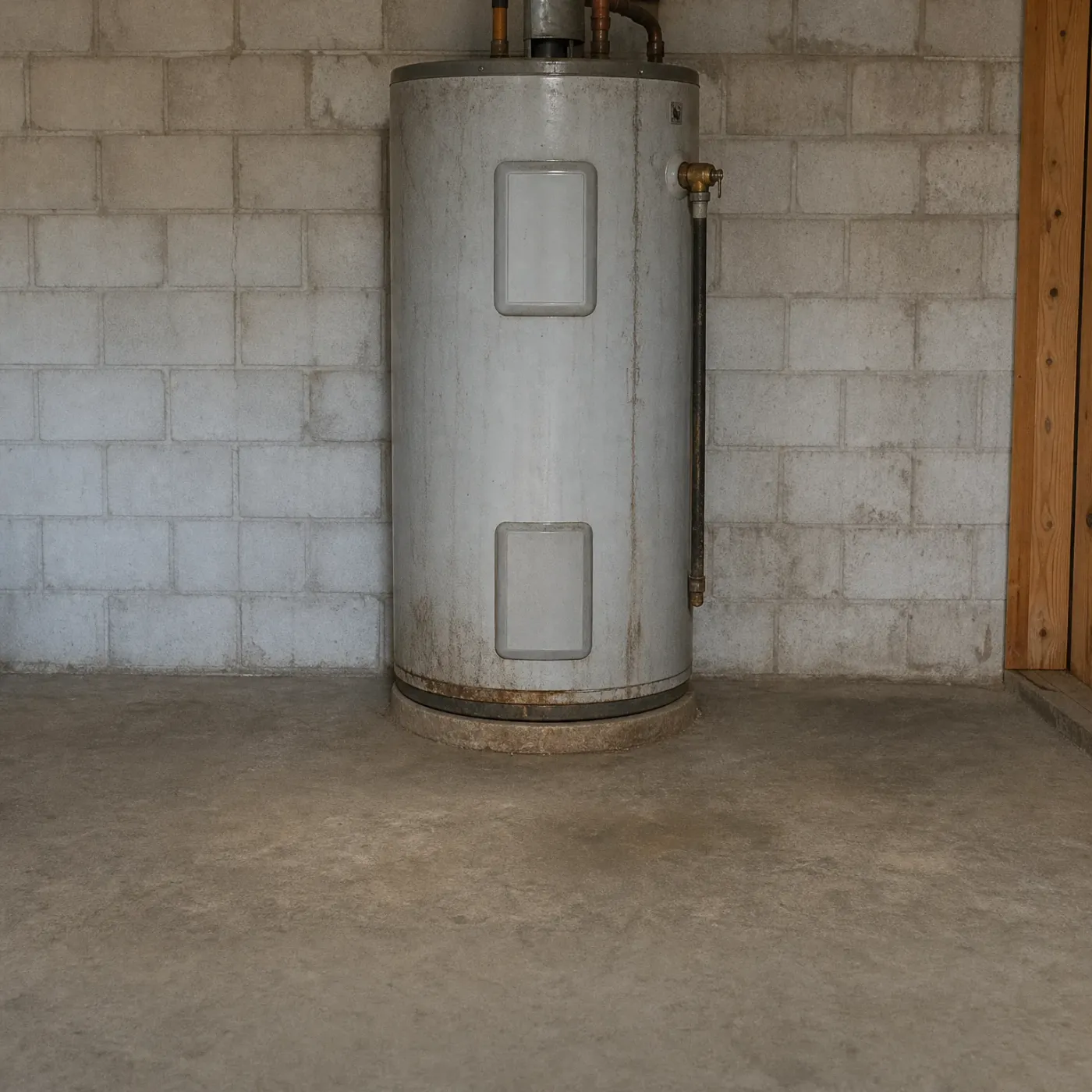
A cylindrical water heater with two access panels and copper pipes stands on a concrete floor against a painted concrete block wall.
Before you get your water heater repair
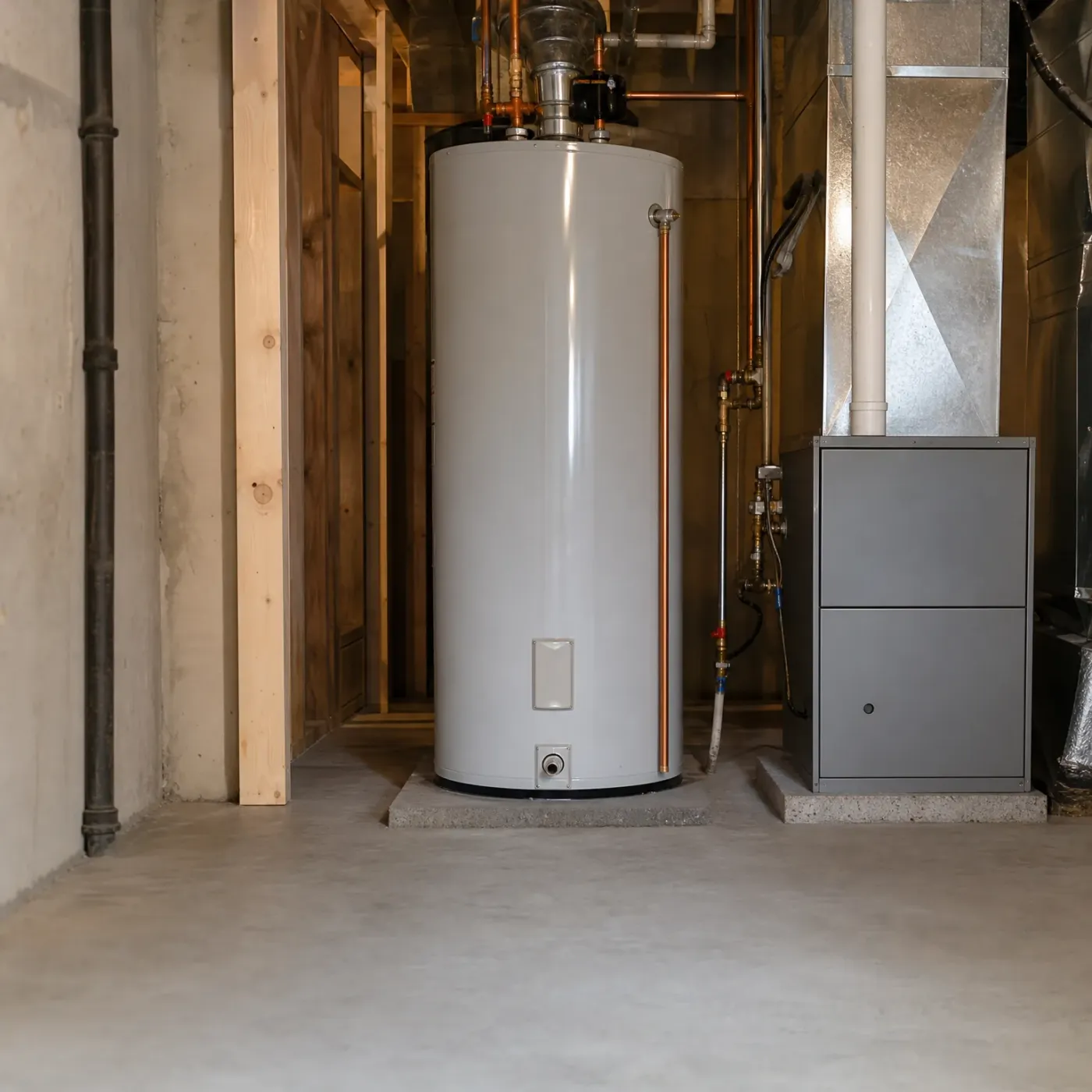
A white cylindrical water heater on a concrete pad in a basement, with copper and metal piping above it and a gray furnace cabinet with ductwork to the right.
After you get your water heater repair

Electric water heater

Most homes in Arkansas heat water with electric tanks. The anode rod still corrodes the same way, so the smell can show up whether your gas line runs to the heater or not.

Match me with a pro

Flushing it yourself vs. getting it looked at

Draining the tank can clear the smell for a while, but if the rod is the cause, it comes back. A contractor can swap the rod or the water heater itself.

Match me with a pro
An older woman with short gray hair in a cream cable-knit turtleneck sweater smiles while looking to the side in a wooden kitchen, with a round loaf of bread on a board in the foreground and a lit candle by a dark window.
A woman and a child wrapped together in a thick knitted blanket on a sofa, both with eyes closed, with a lit table lamp and houseplant in the dim background.

53.7% of homes statewide heat with electricity

Most homes in Arkansas run on electric water heaters, and electric tanks grow that rotten egg smell the same way gas ones do. The anode rod reacts with your water no matter what heats the tank, so swapping fuel types isn't a fix. The rod itself is what needs attention.

ACS 2020-2024 5-year B25040

What the smell tells you

  • The rotten egg smell comes from hydrogen sulfide gas made inside the tank, not from your water supply.
  • An anode rod reacting with bacteria in the water is the cause, whether your water heater runs on gas or electric.
  • Flushing the tank or swapping the anode rod can clear the smell, but a tank left alone will keep producing gas.
  • Instead of searching for a plumber, calling around for quotes, and explaining the smell over and over, one request connects you with a contractor who handles this.
  • Where you stand now is simple: the smell has a known cause and a known fix, and someone licensed can confirm which your tank needs.

Your hot water smells because of what's happening inside the tank, not because of anything in the line coming into your house. Bacteria feeding on the anode rod produce hydrogen sulfide gas, and that gas collects in the tank until you run the tap and it comes out with the water. Electric or gas, the rod works the same way, and Arkansas homes running electric tanks see this just as often. A flush clears out what's built up, and a new anode rod gives the bacteria less to react with, but neither one is permanent if the tank keeps making conditions the bacteria like. Left alone, the smell comes back, because the thing causing it is still in there.

You don't have to figure out which fix your tank needs on your own. That usually means calling a few plumbers, describing the smell to each one, asking what they charge to come look, and sorting through answers that may not even agree with each other. One request here does that work instead. You describe it once, and a licensed contractor who handles water heaters reaches out to you directly.

Where that leaves you is straightforward. The smell has a cause that's well understood, and a fix that depends on your specific tank, whether it needs a flush, a new rod, or something else entirely. Someone who can look at it and tell you which is the next step, not another round of guessing.

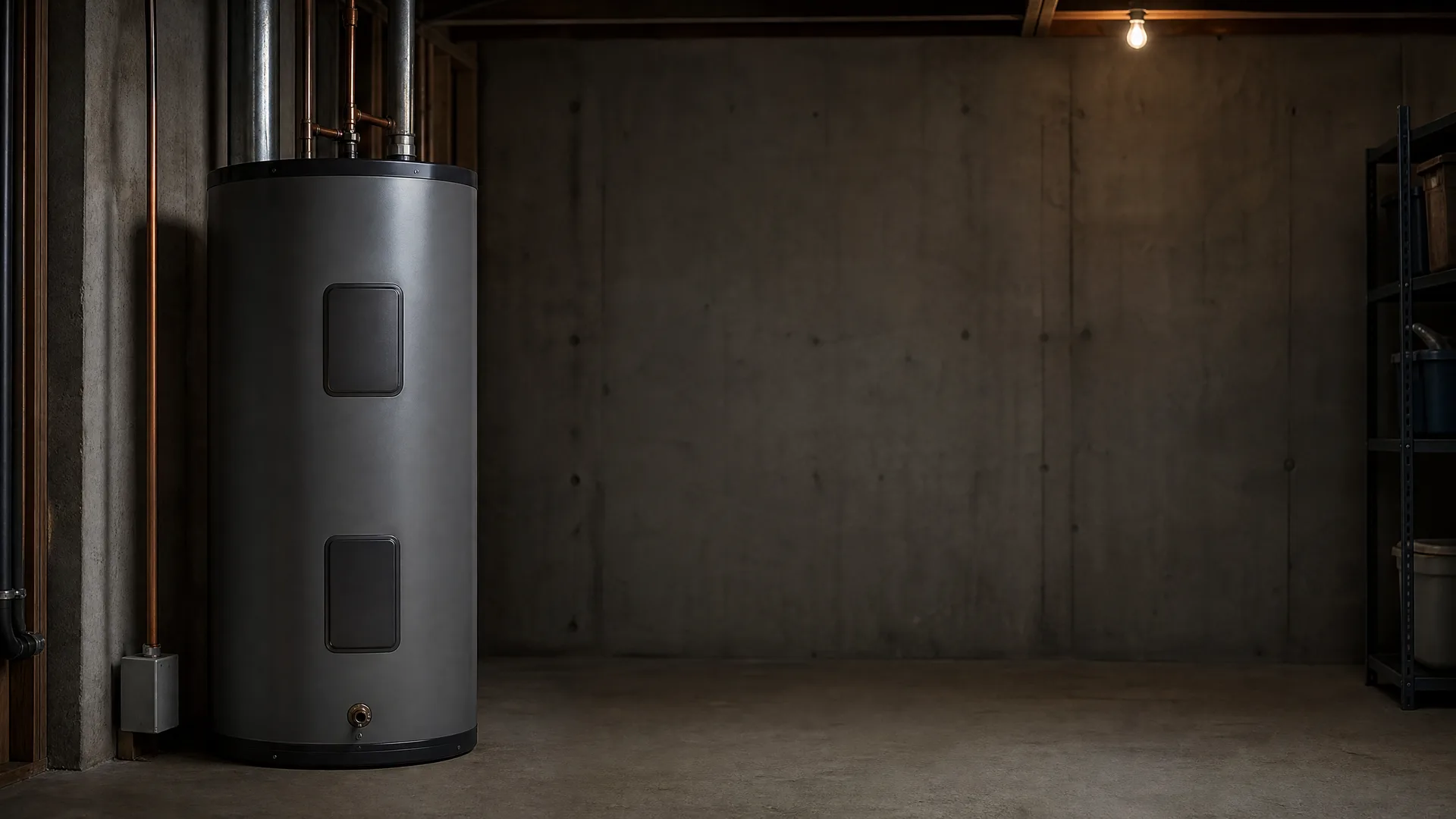
A gray cylindrical water heater with copper pipes stands against a concrete wall in a dim basement, with a bare hanging light bulb and a metal shelving unit at right.

A water heater pro near you

Describe what your water heater is doing once, in one form.

Step 1 of 3: Equipment