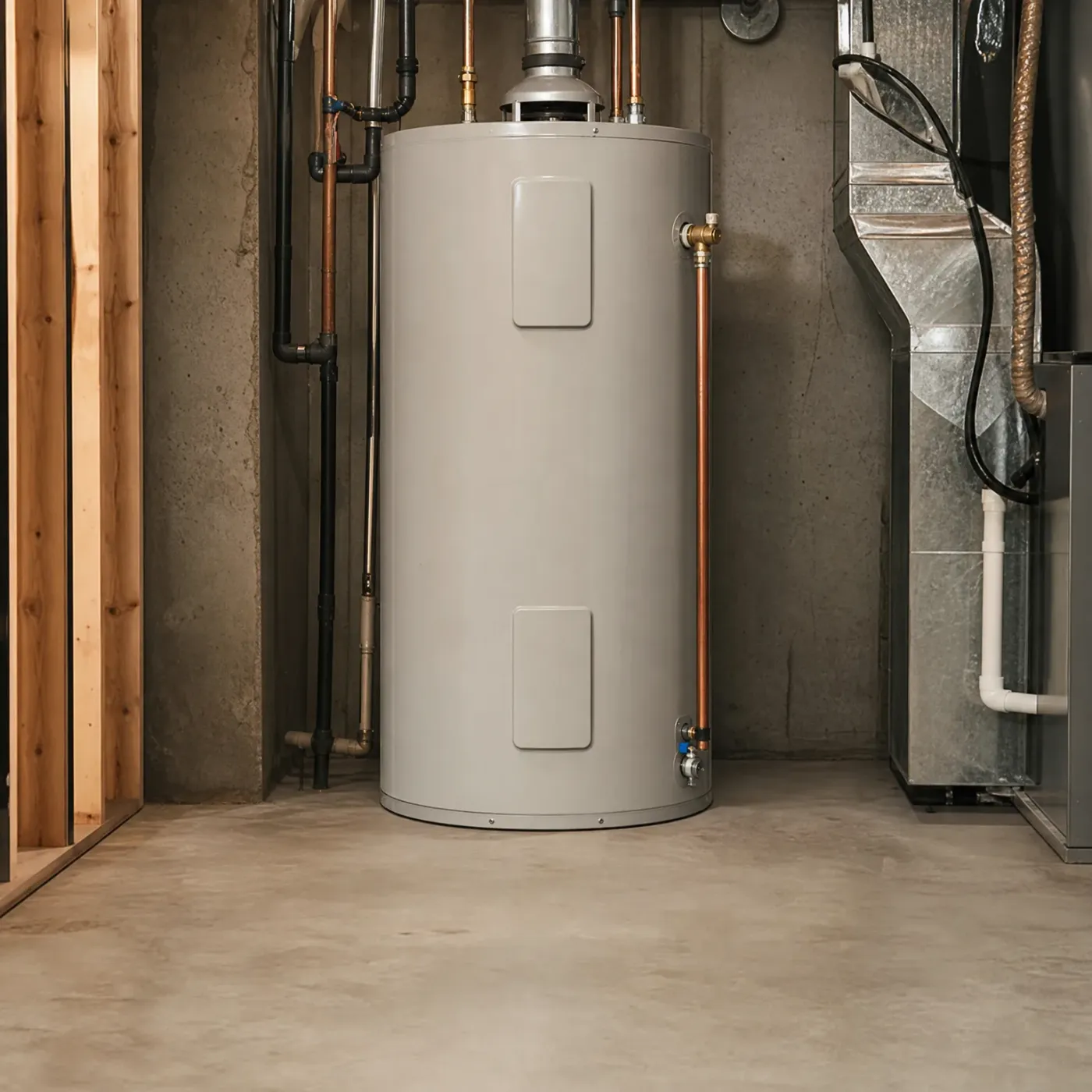
No leaks, no rust
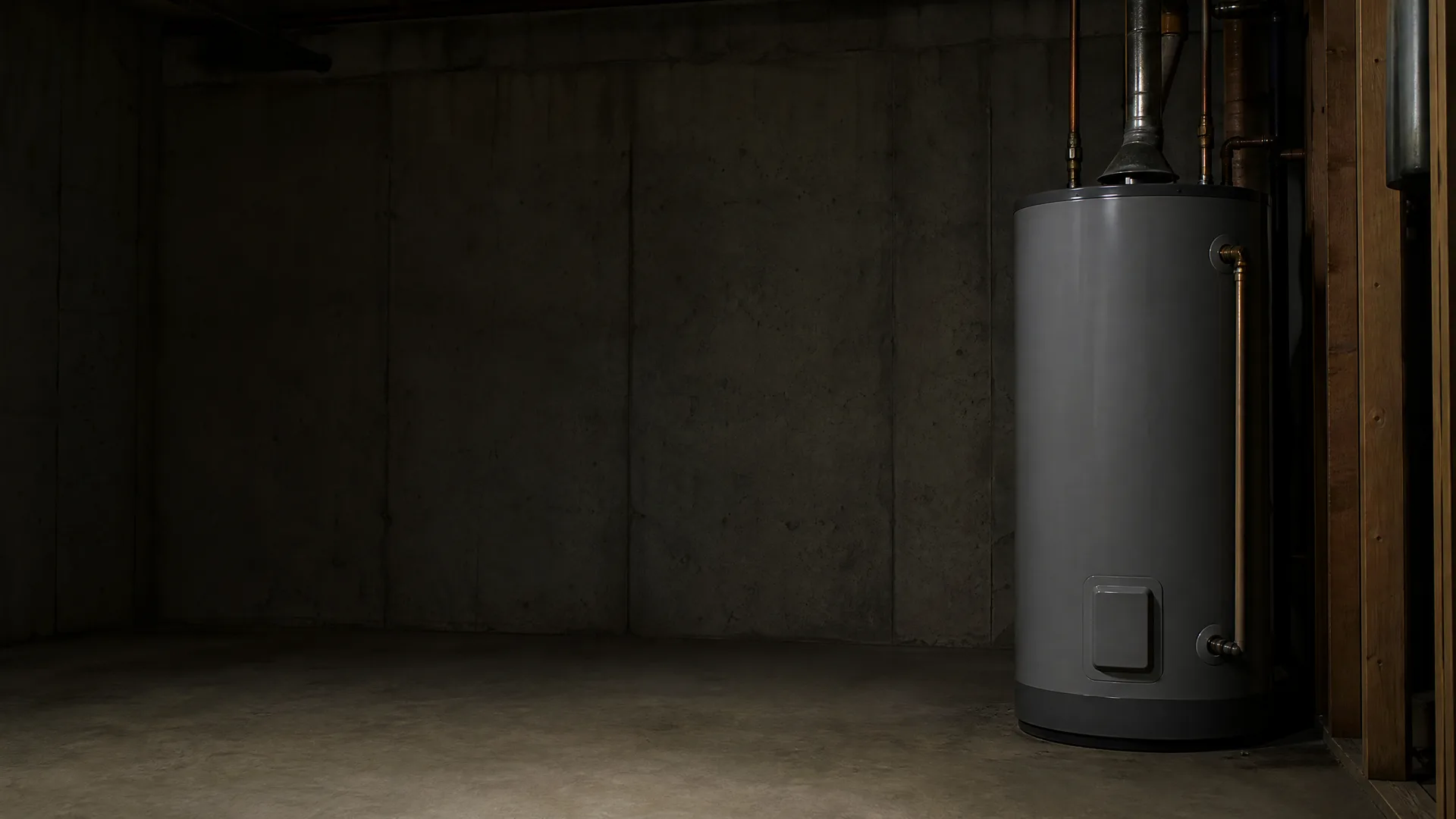
A water heater in good shape sits dry on the floor, with clean fittings and solid connections at the top. The tank holds pressure the way it's supposed to, and nothing underneath it is wet or corroded.
 Get matched
Describe your water heater job, and a local pro who handles it gets in touch.
Water on the floor around your water heater means something inside it has already failed. It might be a tank that's rusted through. It might be a fitting or valve that's let go. Either way, it won't fix itself, and most tanks don't give much warning before they go from damp to steady drip.
With power this cheap in Arkansas, a lot of homes run their water heater hard without a second thought, and that's normal. But a leak doesn't care how new or old the unit is. Sediment builds up at the bottom of the tank over time, and it can wear a seam thin from the inside long before anything looks wrong on the outside.
Figuring out whether yours can be repaired or needs to be replaced takes someone looking at it, not guessing from a description. That part isn't yours to sort out alone. Once you answer a few questions about what you're seeing, that gets handed to a contractor who takes it from there and calls you directly.
What that saves you is the part nobody enjoys: searching through listings, calling three or four places, explaining the same leak and the same tank age to each one, then sitting with a stack of quotes trying to work out which contractor actually knows what they're doing. You've already told the page what's wrong once. You shouldn't have to tell it again to five different people.
Arkansas summers are muggy enough without a wet utility closet added on top. A leaking tank left alone tends to get worse, not better. The next step is just answering what's on this page, and letting the right contractor reach out from there.
A puddle under the water heater usually sends people straight to the internet, trying to figure out if this is a quick fix or the start of something bigger. You want to know what's actually failing before you decide what to do next, especially since a leaking tank can quietly cause real damage to the floor and walls around it if it sits too long.
A leak comes from one of three places. The tank itself can rust through from the inside, and once that happens, the leak won't stop or get smaller, it only spreads. A fitting where a pipe connects to the tank can loosen or corrode and start weeping. Or the temperature and pressure relief valve can let go, either because it's worn out or because pressure inside the tank is building higher than it should. With cheap power here, plenty of Arkansas homes run electric water heaters hard through the muggy summer months, and a tank under steady use shows wear at the seams and fittings sooner than one that sits idle. Where the water is actually coming from decides what happens next.
A water heater in good shape sits dry on the floor, with clean fittings and solid connections at the top. The tank holds pressure the way it's supposed to, and nothing underneath it is wet or corroded.
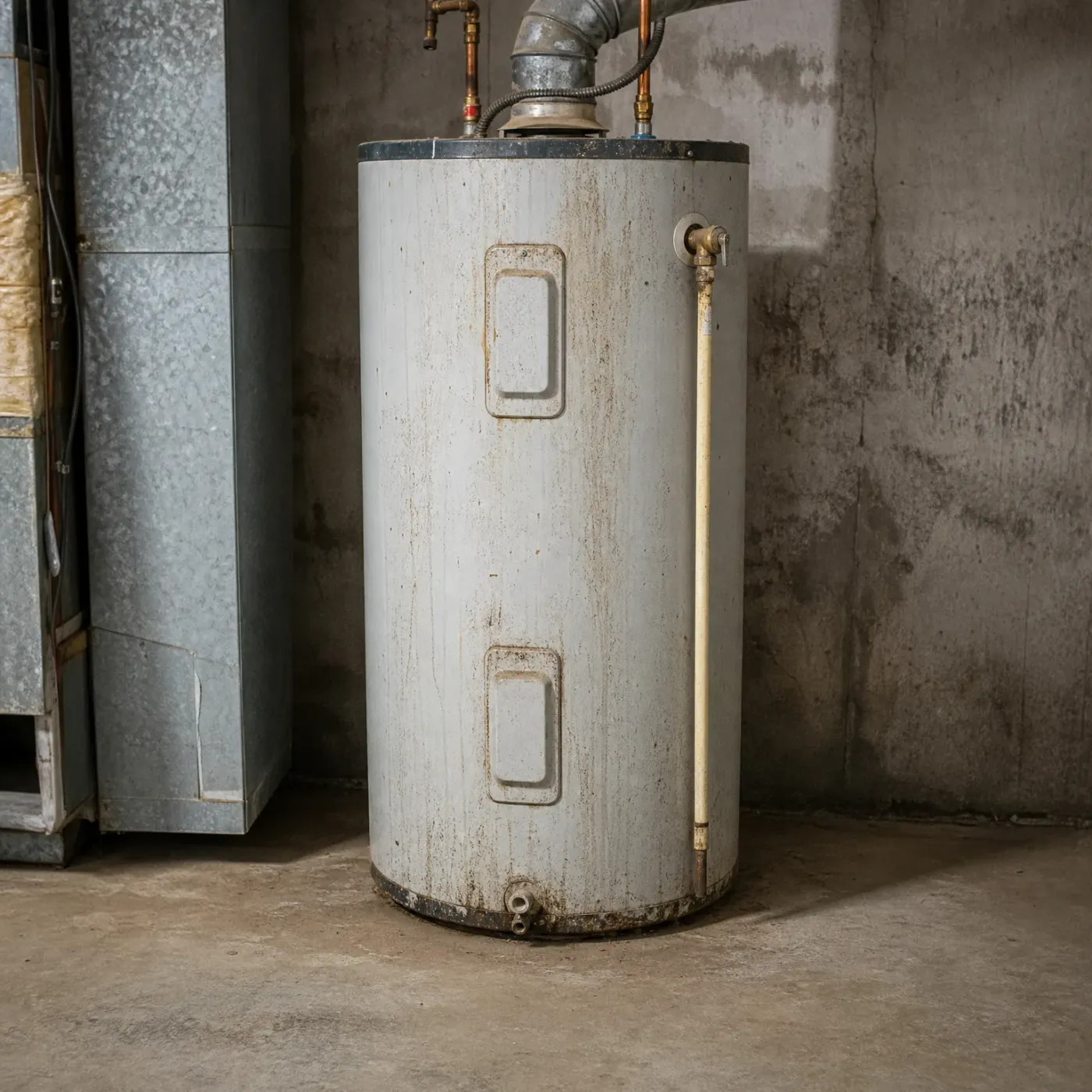
Rust has spread across the whole tank, and the fittings at the top show their age. A relief valve discharge pipe is one thing to check, but once the tank itself is rusted through like this, no fitting repair saves it.
Check the floor first. A damp ring around the base, a puddle that comes back after you wipe it up, or water running toward a drain tells you the tank or a fitting is already letting go. Look at the tank itself for rust streaks or a reddish crust around seams and the bottom edge. Check the fittings and the pressure relief valve on top for drips or mineral buildup. A popping or rumbling sound from the tank points to sediment buildup inside, which wears at the metal over time. Left alone, a small leak spreads, and a rusted tank can split open and soak the floor around it, so it's worth sorting out sooner than later.
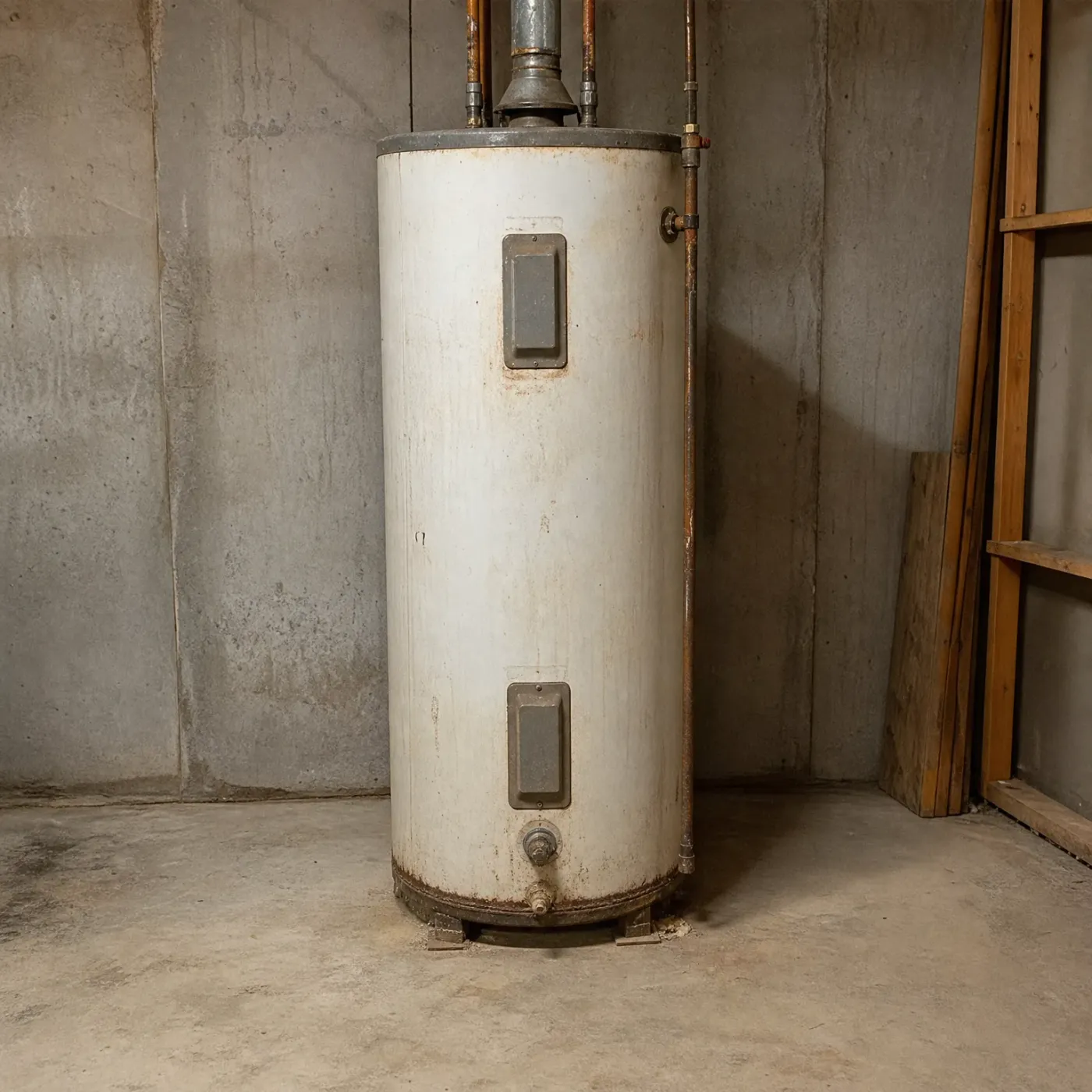
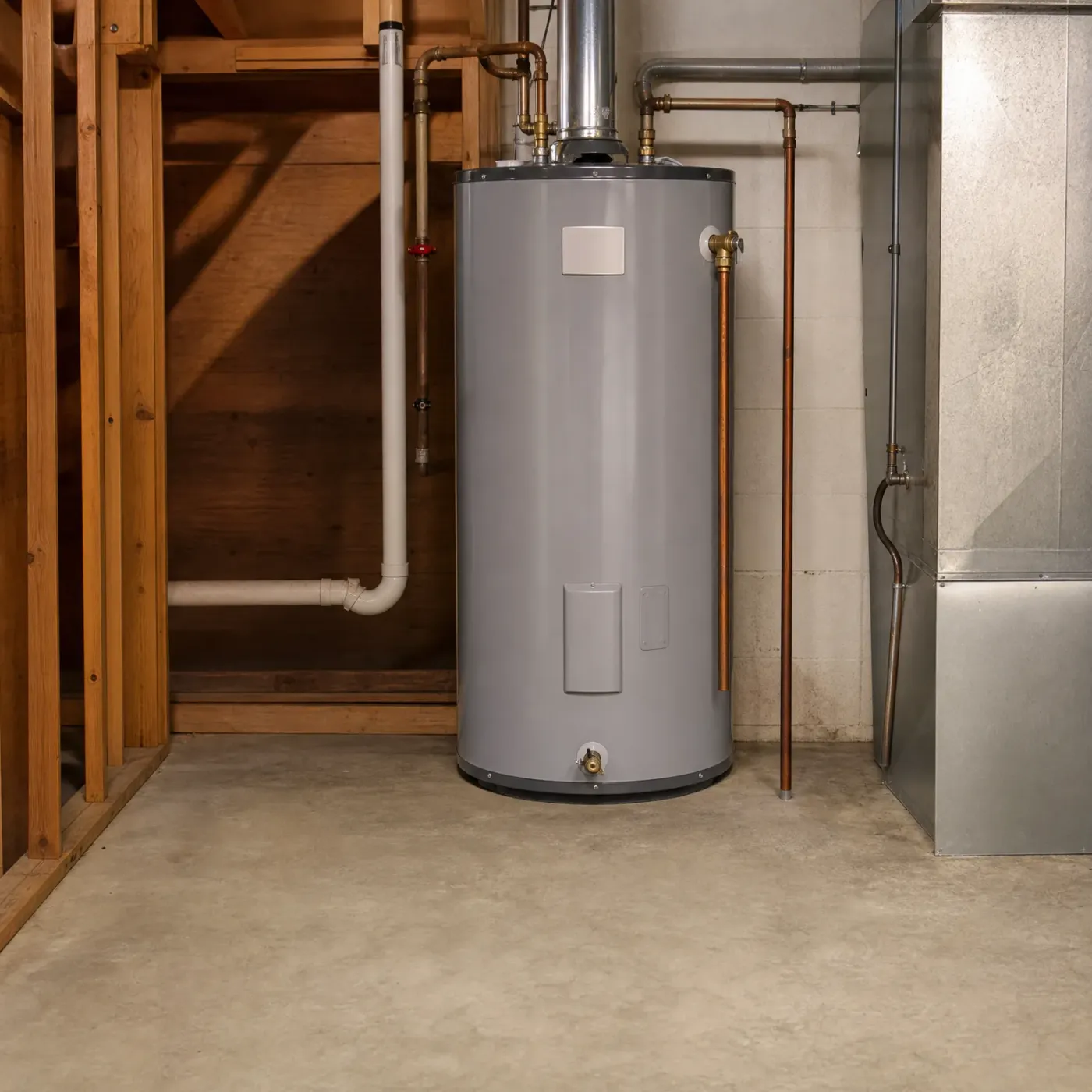
A leak doesn't wait for a convenient week to show up, and tracking down someone licensed to look at it eats time you'd rather not spend. You could start calling plumbers around Arkansas, explain the puddle and the rust spots to each one, wait on callbacks, then sit with a handful of quotes trying to tell which price makes sense. Most people don't have a spare afternoon for that, especially with water already on the floor. Handing this off means one contractor who works on water heaters gets your situation, with the details you've already worked out about where it's wet and what the tank looks like, and reaches out to you directly. No repeating the story to five different companies. With electric water heaters common in homes here and power cheap enough that people don't think twice about running one, the leak itself is the problem worth solving now, not the search for who can fix it.
A tank that's rusted through can't be sealed or patched. Once the steel lining gives way, water finds its way out through the metal itself, and the only fix is a new water heater. A fitting or valve is a different story. The drain valve, the pressure relief valve, and the water connections at the top are all replaceable parts. If the leak is coming from one of those and the tank underneath is still dry and solid, a plumber can usually replace the part and leave the tank in service.
Most tanks have a rod inside meant to corrode in place of the steel tank, so the tank itself stays protected as long as that rod is doing its job. Once that rod is used up, the water starts working on the tank itself instead. Electric water heaters, which is what most homes in Arkansas run on, still have a steel tank underneath, so the same wear applies. Minerals in the water add to it over time, settling at the bottom and holding moisture against the metal longer than it would sit otherwise.




Keep calling around on your own and you're on the hook for every step. You find the plumbers, you explain the leak and the rust spots again to each one, you wait for callbacks, and you sort through quotes that don't line up with each other.
Answer a few questions here and a licensed contractor who handles water heaters in Arkansas reaches out to you directly. You tell the story once, to the person who's actually going to look at the tank.
Most homes in Arkansas run on electric water heaters rather than gas. That means a leak usually comes from the tank itself or a fitting, not a gas line or burner assembly underneath it. Check the tank and the connections at the top before you assume the worst.
ACS 2020-2024 5-year B25040

A puddle under the tank, rust at the fittings, water that comes back after you wipe it up. Once you've checked those, you know whether you're dealing with a fitting that can be tightened or replaced, or a tank that's rusted through and done. That's the whole answer.
What's left is finding someone licensed to look at it and tell you which one it is. Answer a few questions about what you're seeing and you'll be matched with a plumber who works in Arkansas, and they'll reach out to you. No calling around, no explaining the leak to three different people, no quotes to sort through on your own.

Explain the job once and skip repeating it on every call.