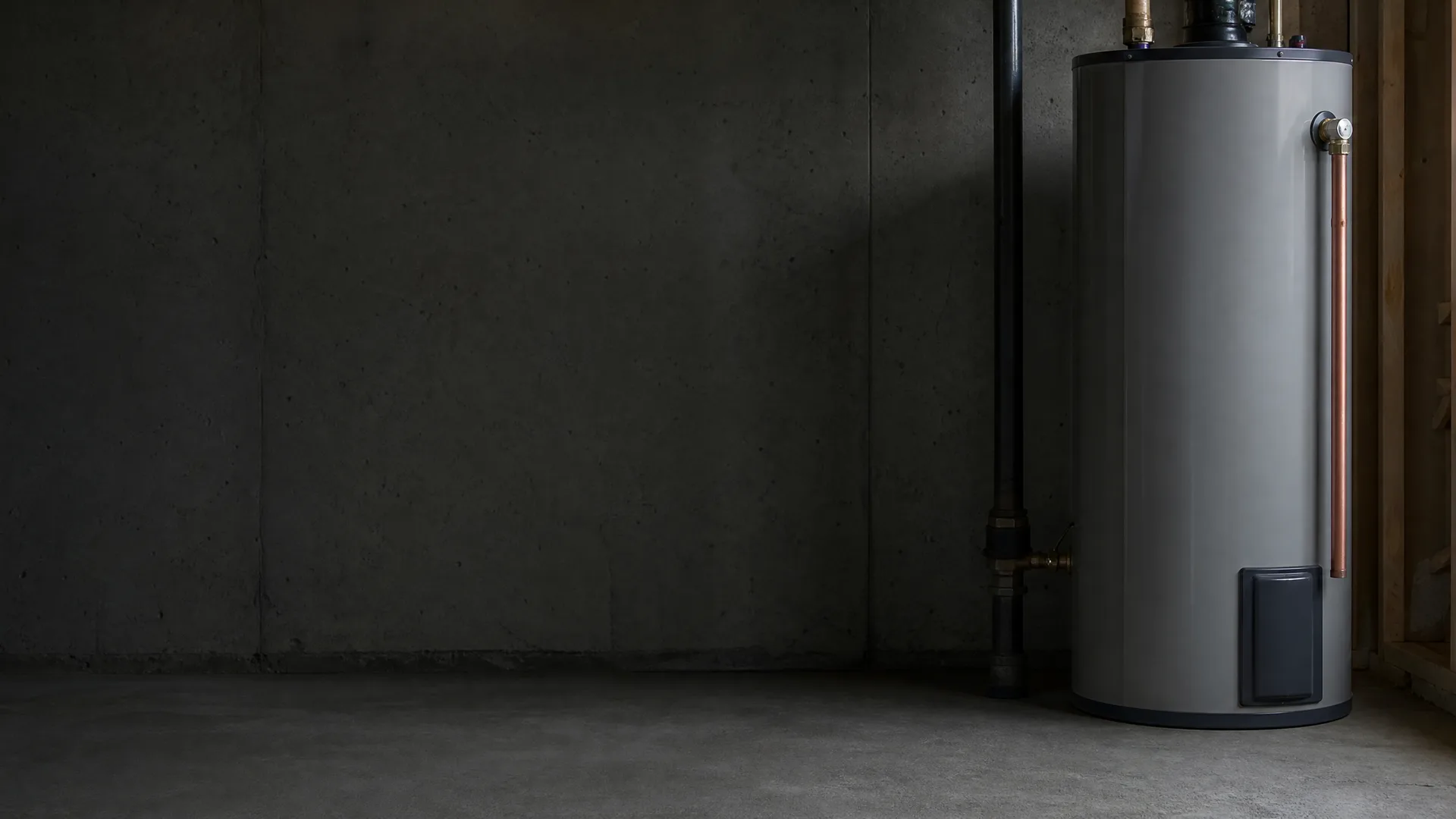
Why your water heater is slow to recover in Arkansas
Tell a local repair pro what your water heater is doing.
You turn on the shower after someone already used the hot water, and it takes forever to warm back up. Or the second load of dishes runs lukewarm. That gap between tanks is the recovery rate, and when it slows down, something in the tank is making the heating element work harder than it should.
Most homes in Arkansas heat water with electricity, and an electric water heater recovers slower by nature than a gas one. That's normal. What isn't normal is a sudden drop, where a tank that used to keep up now leaves you waiting. That usually means a failing heating element, a thermostat that's lost its accuracy, or sediment sitting at the bottom of the tank acting like insulation between the element and the water above it.
Summers here are muggy, and a water heater tucked in a garage or closet deals with that humidity year-round, which can speed up corrosion on the tank and its fittings. That's one more reason a slow recovery now is worth a look rather than a wait.
Power is cheap in Arkansas, so most people don't think about their water heater until it stops keeping up. But a struggling element doesn't just mean cold showers. It means the heater runs longer to do the same job, and that adds up on the bill even with low rates.
A licensed contractor who works on water heaters in this area knows which of these problems shows up most and what order to check them in. Once you request a match, one contractor who covers your area reaches out to you directly, not a handful of companies competing for your call. They'll ask about your tank, how old it is, and what's changed, and go from there.
Why is my water heater taking so long to heat up again?
You notice it most when someone already showered before you, or the dishwasher ran right before you needed to rinse a pot. The water comes out warm, then turns lukewarm, then won't climb back to hot no matter how long you wait. It used to recover faster than this. You're not asking because the tank ran out, you're asking because it's taking longer than it should to catch back up, and you want to know if that's something to deal with now or something that fixes itself.
A failing heating element or a thick layer of sediment is slowing the recovery
Most homes in Arkansas run electric water heaters, and those use one or two heating elements to bring the tank back up to temperature. When an element starts to fail, it still works, just slower, so the tank takes longer to recover instead of stopping all at once. Sediment buildup on the bottom of the tank does the same thing, since it sits between the lower element and the water and makes the element work harder to heat the same gallon. Either way, the tank is still doing its job, just not at the rate it used to. Left alone, a weak element tends to get weaker, and the gap between tanks of hot water keeps getting longer until it stops heating altogether.
Recovering the way it should
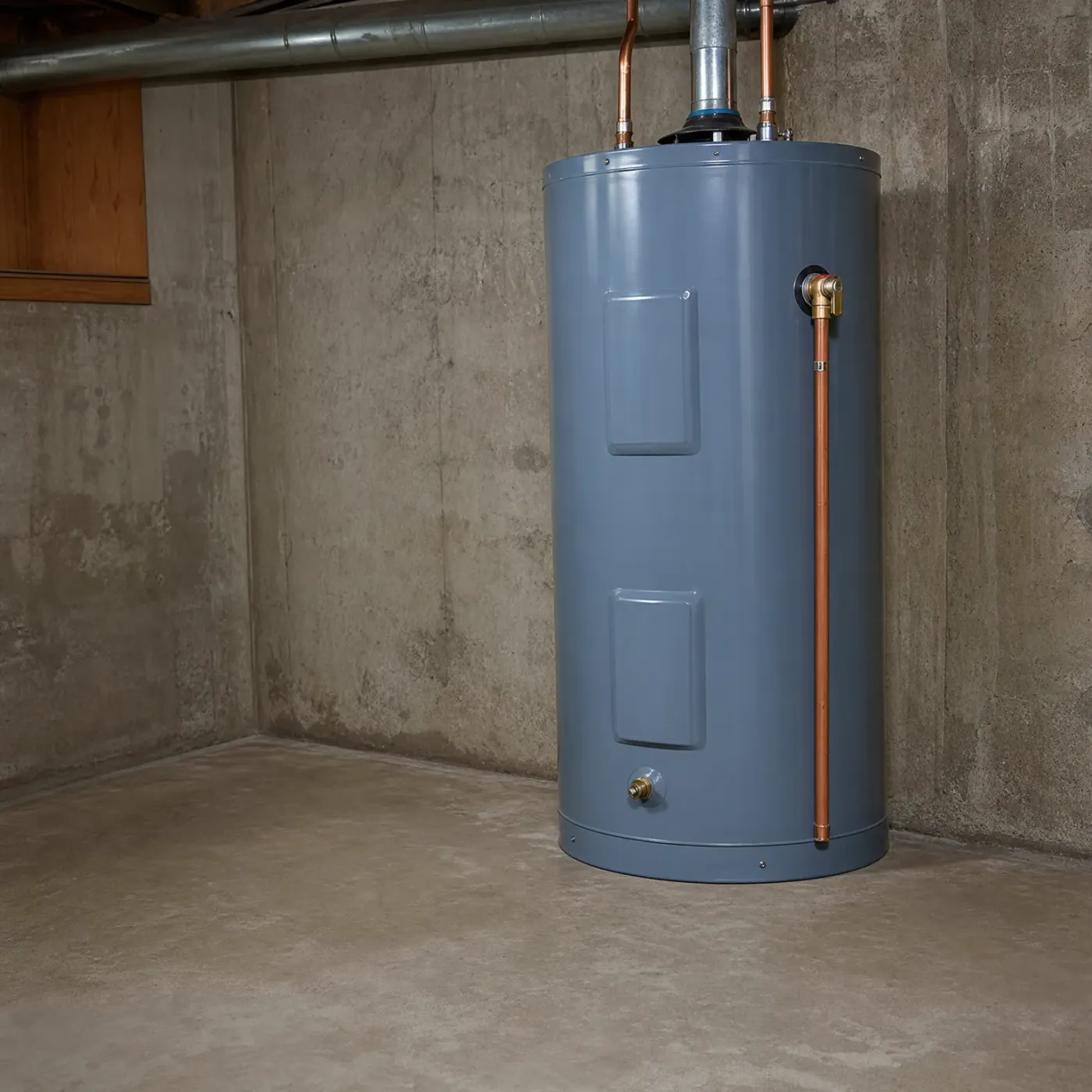
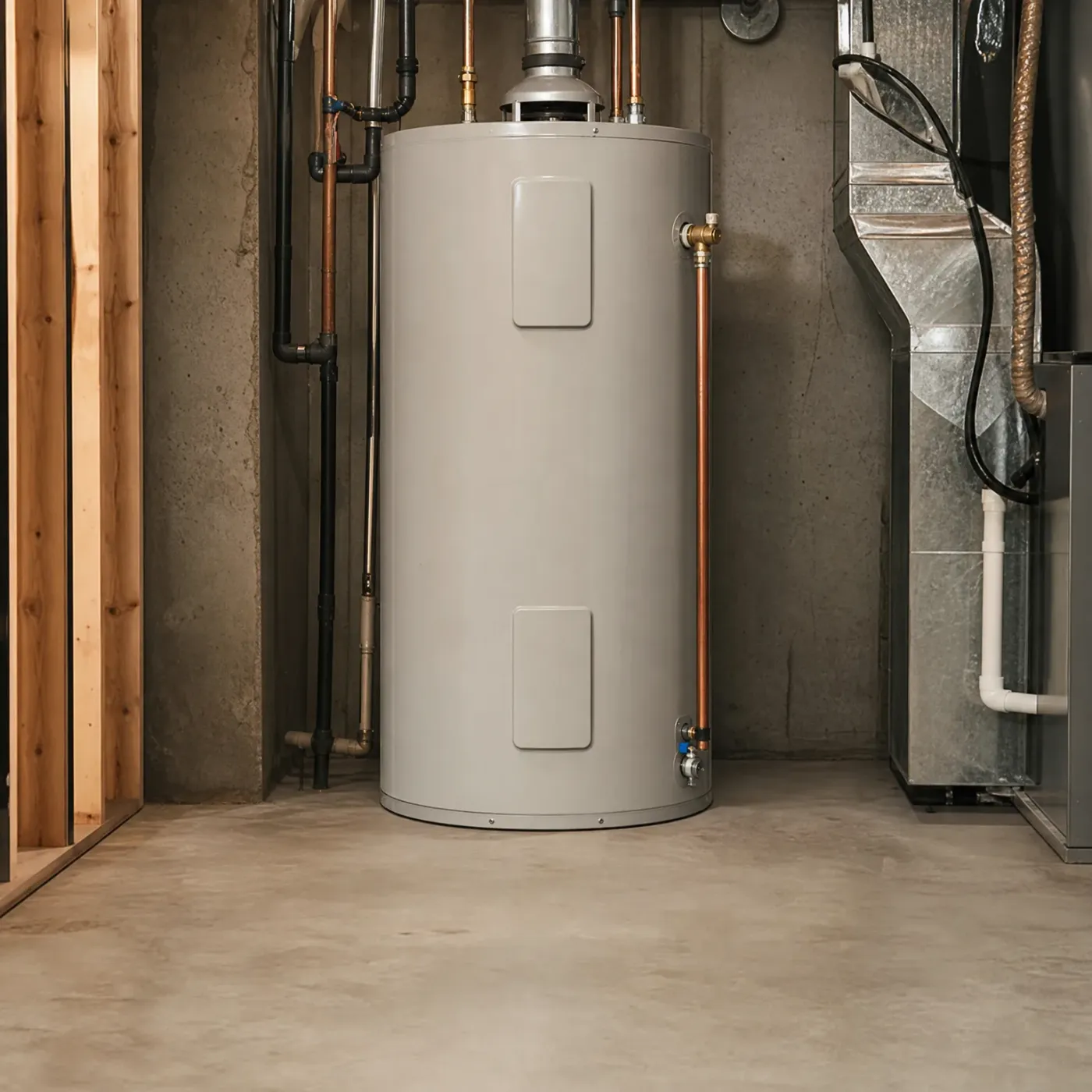
A tank like this brings a full load back to temperature within a reasonable stretch, even with the water use most Arkansas households put on it. The elements draw steady power and the thermostat holds its setting. Run the shower, then the dishwasher, and the gap closes before anyone notices.
Corrosion slowing it down
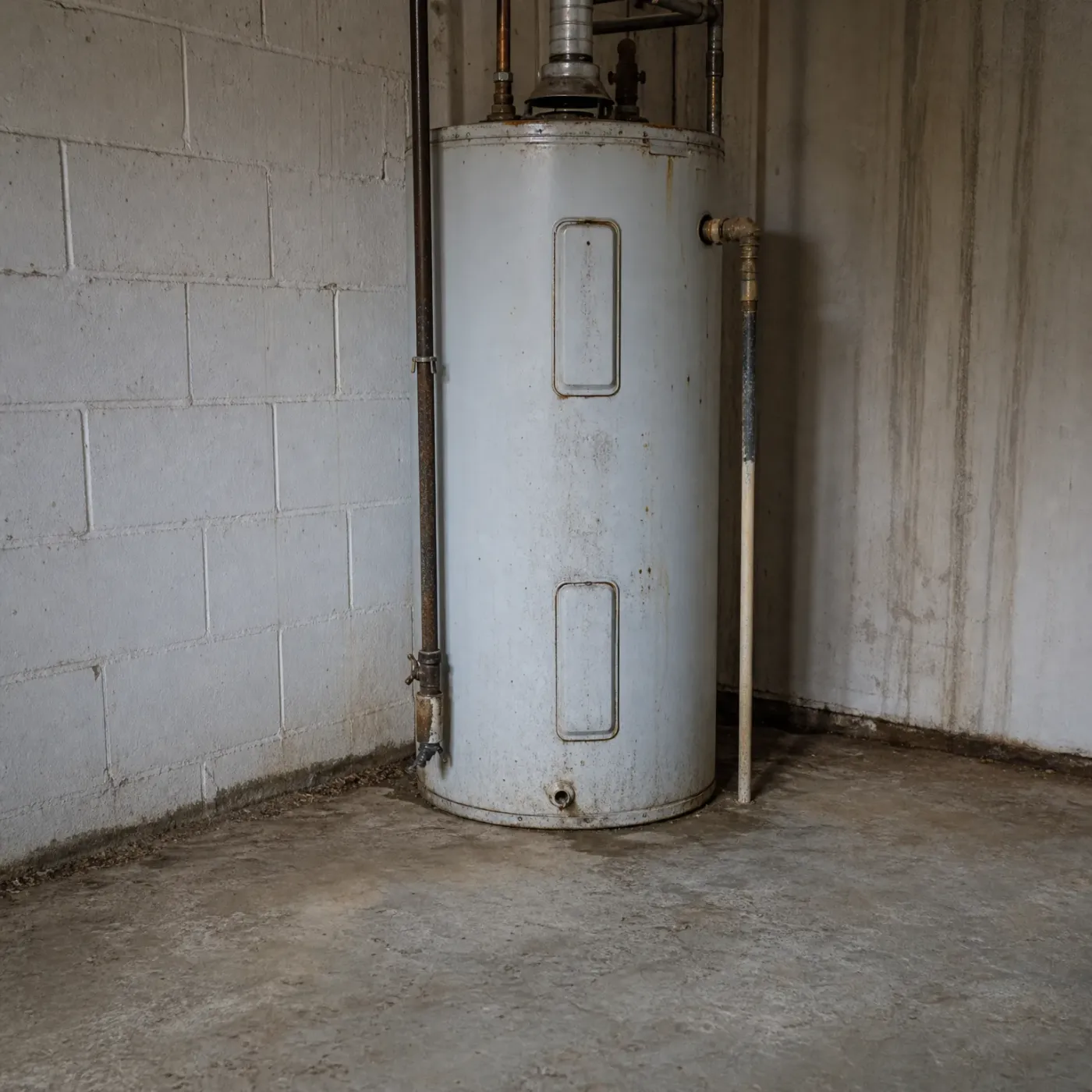
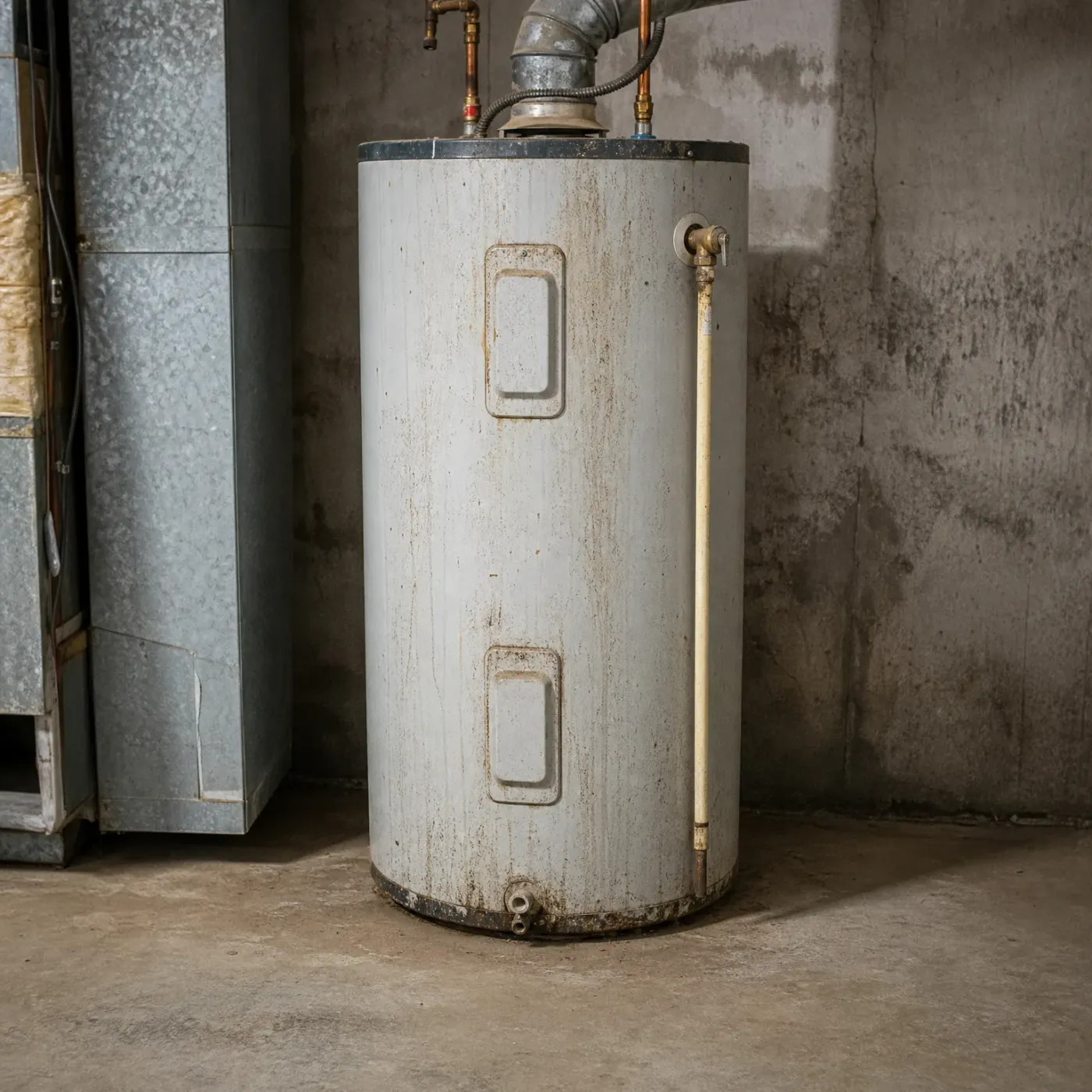
Rust like this on the tank and fittings usually means buildup inside too, coating the elements or settling around them. A heating element working through that layer can't transfer heat the way it did new. Recovery stretches out, and the rest of the tank corrodes along with what you can see.
Is this just your water heater, or is it you?
Notice when it happens. If the shower runs cold after one other person used hot water, or the washer and the dishwasher can't both run without someone getting a cold rinse, the tank is falling behind on its own, not just struggling to keep up with a busy house. You might hear a low rumble or popping from inside the tank, a sign of sediment sitting on the bottom between the water and the heating element. Water that looks rusty or smells off when it runs hot points the same direction. Left alone, a struggling element or a thermostat that's drifted can fail outright, and sediment buildup wears on the tank itself.
Before you get your water heater repairAfter you get your water heater repair
Most water heaters in Arkansas run on electric elements, and a slow one usually comes down to one of two things: a lower element that burned out or is coated in scale, or a thermostat that's lost track of what temperature the tank is actually at. Either one makes the tank crawl back to hot instead of recovering at a normal pace. You could pull the access panels and test the elements yourself, but most people would rather have someone who already knows what tends to fail in this kind of tank take a look. A local contractor who works on water heaters all year, through muggy summers and whatever winter brings, has likely seen the exact failure yours is showing. Once you request service, that's who gets your information, not a handful of companies competing for your callback. Get the recovery time fixed before it costs you more hot water than you can spare.
The lower element working alone
Most electric tanks split the work between two elements, one near the top and one near the bottom. The bottom element does most of the job since that's where incoming cold water lands. If it burns out or gets coated in scale, the top element has to carry the whole tank by itself. It can bring the top third up to temperature fine, which is why the first few minutes of hot water feel normal. Past that, there's nothing left to draw on, and recovery slows to a crawl while the tank waits on one element to do a two-element job.
A thermostat reading the wrong number
The thermostat on an electric tank only knows the temperature at the spot where it's mounted on the tank wall. If it's drifted out of calibration, or if mineral buildup has formed between it and the tank, it can read warmer than the water actually is. It tells the element to shut off early, so the tank never reaches the setting you dialed in. You don't see an error or a warning light. You just notice the water runs out of hot sooner than it used to, and it takes longer each time for the tank to catch back up.
One failed part
A bad lower element or a thermostat that's lost its calibration is a straightforward fix. The tank itself is usually fine, and recovery goes back to normal once the part is replaced.
Years of mineral buildup sitting on the bottom element insulates it from the water, so it struggles to heat anything. That calls for a closer look at the tank, not just a part swap.
Most homes in Arkansas heat water with electric elements, not gas. That matters here because an electric tank depends entirely on those elements working right. When one burns out or scales over, there's no second heat source to pick up the slack, so recovery just slows down.
ACS 2020-2024 5-year B25040
A slow recovery has a reason, and it's fixable
A water heater that can't keep up is telling you something specific: a lower element that's worn out, a thermostat that's reading wrong, or sediment that's built up enough to get between the element and the water. None of that gets better on its own, and none of it means a new tank.
Someone local who works on electric water heaters all year, in homes running the same kind of setup yours is, knows which of those three it usually is before they even open the panel. You'll be matched with one contractor, not a handful calling you back at once, so the person who reaches out is already set up to look at your tank and tell you what's actually wrong with it.