Tell us about the job
Takes about a minute. No obligation.
A contractor diagnosing a water heater repair here starts with the heating elements and their thermostats, because those parts carry the entire heating load with no burner or heat exchanger to share it. Electricity heats more occupied homes in Lonoke County, Arkansas than any other fuel, at 66.5% (2020-2024 ACS 5-year). In an electric unit, the elements cycle every time hot water is drawn, and in a household that leans on them daily, the lower element typically fails first from sediment buildup pressing against it. A contractor who opens the tank finds that failure pattern written plainly in the element's condition.
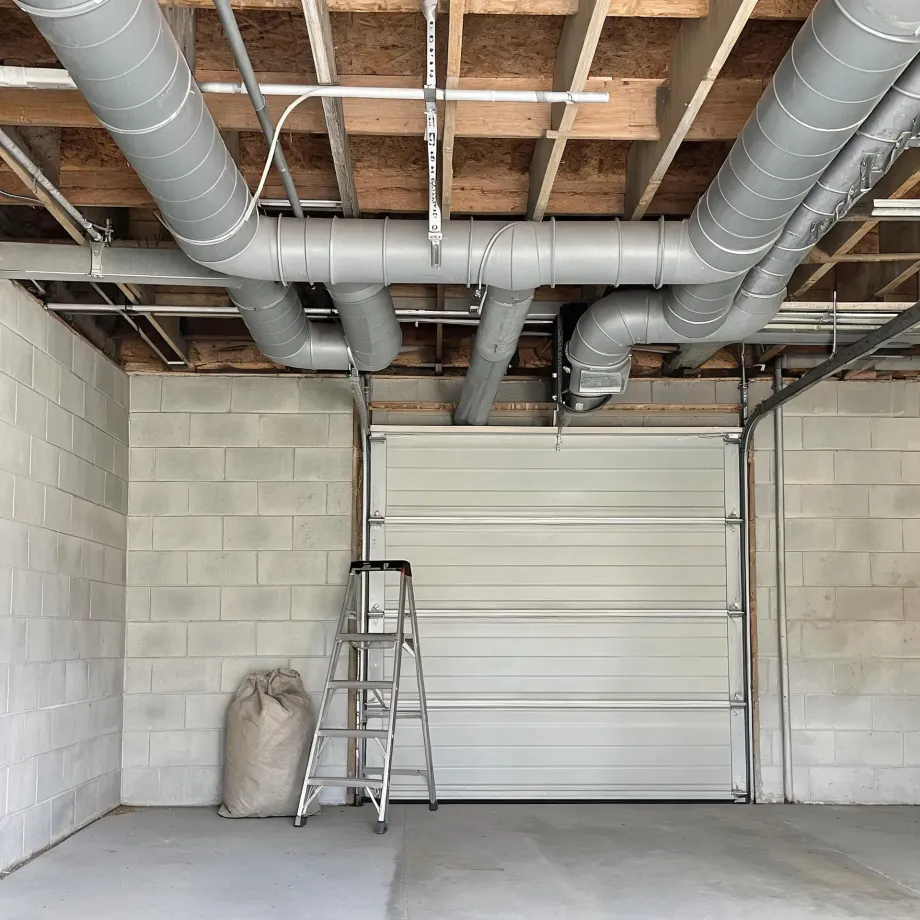
Water heater repairs in housing built for earlier standards often reveal more than a failed element or a corroded anode rod. Half the homes in Lonoke County, Arkansas were built in 1997 or earlier (2020-2024 ACS 5-year). Plumbing runs and venting configurations that were installed when that housing was new reflect the materials and code expectations of that period, and a contractor working on the tank itself will frequently find that what needs attention extends to those surrounding components. The quote that starts with the unit alone tends to grow once the access panel comes off.
The Parts of a Water Heater a Contractor Checks First
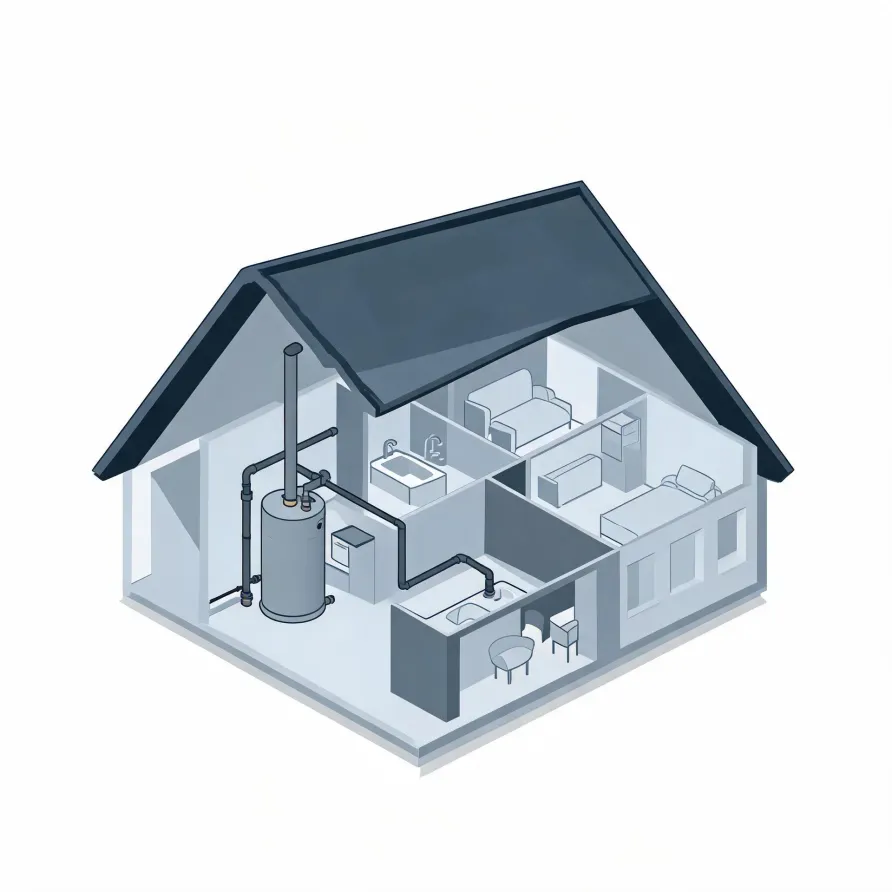
The tank is the piece a homeowner notices first, usually standing in a utility room, basement, or garage closet. It holds and heats the water supply for the whole house. When a repair call comes in, the tank itself is where a contractor starts, looking at the shell, the pressure relief valve on its side, and the condition of the anode rod inside.
At the top of the tank, cold water supply lines bring water in and hot lines carry it out to every fixture. The thermostat and heating element, or burner assembly on a gas unit, sit lower on the tank and are common sources of trouble when water runs cold or recovery slows. The gas valve and pilot assembly, where present, also get checked early.
The drawing shows a typical water heater layout, and a licensed contractor determines which parts apply to the specific unit and installation in your home.
Find a contractor in Lonoke CountyLonoke County, by the numbers
159 severe weather events were recorded in Lonoke County, Arkansas between 2015 and 2024.
NOAA National Centers for Environmental Information, Storm Events Database, bulk CSV export, events 2015-01-01 through 2024-12-31.Half the homes in Lonoke County, Arkansas were built in 1997 or earlier (2020-2024 ACS 5-year).
U.S. Census Bureau, 2020-2024 American Community Survey 5-Year EstimatesLonoke County, Arkansas holds 30,884 housing units (2020-2024 ACS 5-year).
U.S. Census Bureau, 2020-2024 American Community Survey 5-Year EstimatesOwners occupy 75.0% of the occupied homes in Lonoke County, Arkansas (2020-2024 ACS 5-year).
U.S. Census Bureau, 2020-2024 American Community Survey 5-Year EstimatesSevere Weather Events in Lonoke County
Extreme weather puts water heaters under pressure: sediment stirs, demand spikes, and components wear faster than they would under steady conditions. How much stress a unit absorbs over its life is a local question, and the record below shows what the climate in this county has actually delivered.
159 severe weather events, 2015–2024. Source: NOAA National Centers for Environmental Information, Storm Events Database.