Tell us about the job
Takes about a minute. No obligation.
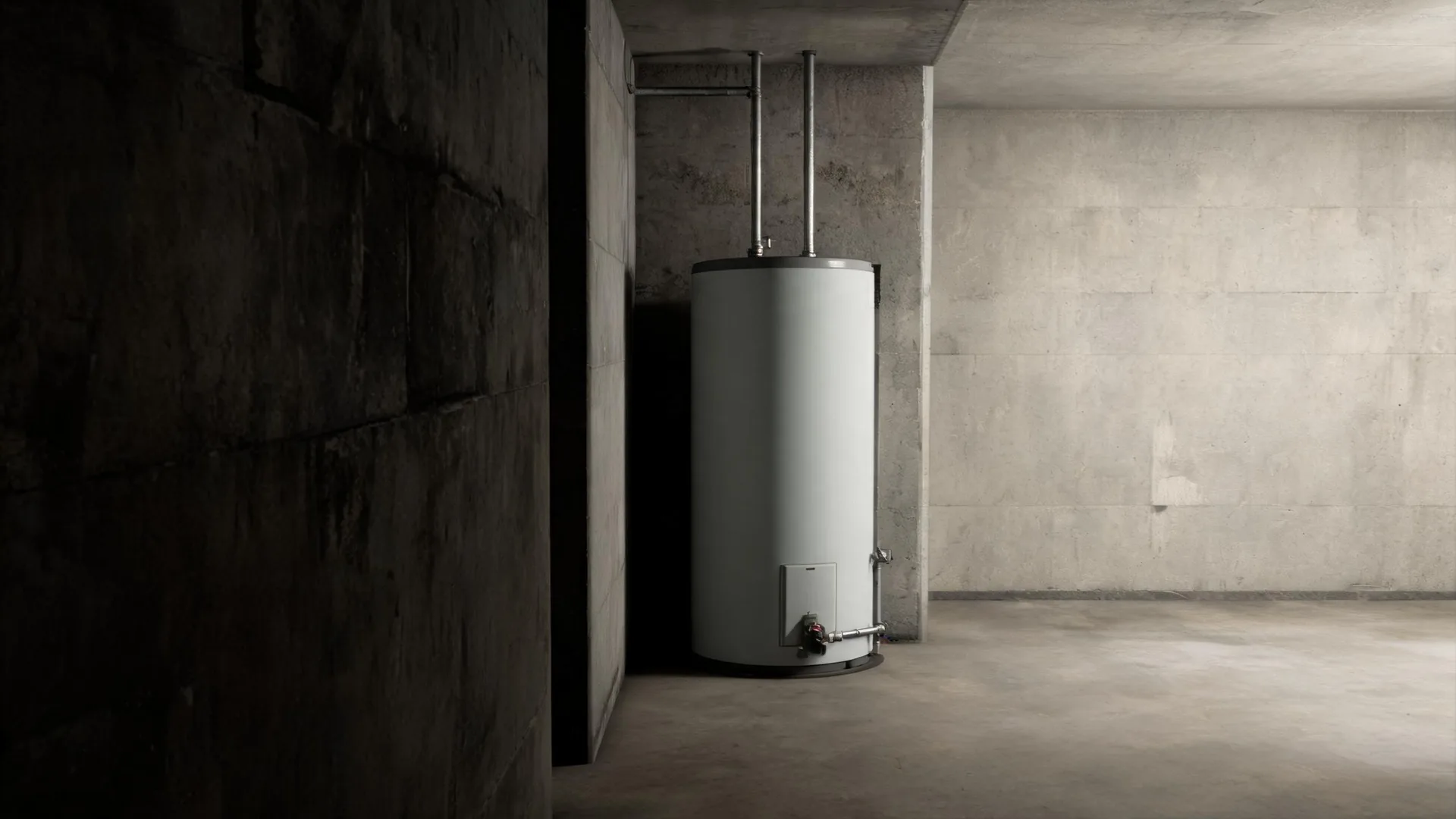
Gas water heaters develop failure patterns that track their fuel systems as much as their tanks. Utility gas heats more occupied homes in Pulaski County, Arkansas than any other fuel, at 50.2% (2020-2024 ACS 5-year). That share means contractors working repair calls in this county see burner assemblies, thermocouples, and gas valves fail well before the tank corrodes through. The combustion side of a water heater cycles every time the thermostat drops, and in a home that burns gas for heat as well, the supply line, pressure, and venting stack are all shared infrastructure a contractor has to read before pricing a repair.
Water heaters in older housing stock rarely fail at a single, obvious point. Half the homes in Pulaski County, Arkansas were built in 1981 or earlier (2020-2024 ACS 5-year). A contractor opening a unit in a house this age finds layered wear: sediment buildup on heating elements, corroded inlet and outlet connections, and pressure relief valves that have cycled past their reliable range. Each of those conditions changes what the repair actually costs and whether the unit is worth repairing at all. The work the contractor does inside the tank decides the outcome far more than the model number on the outside.
The Parts of a Water Heater a Contractor Checks First
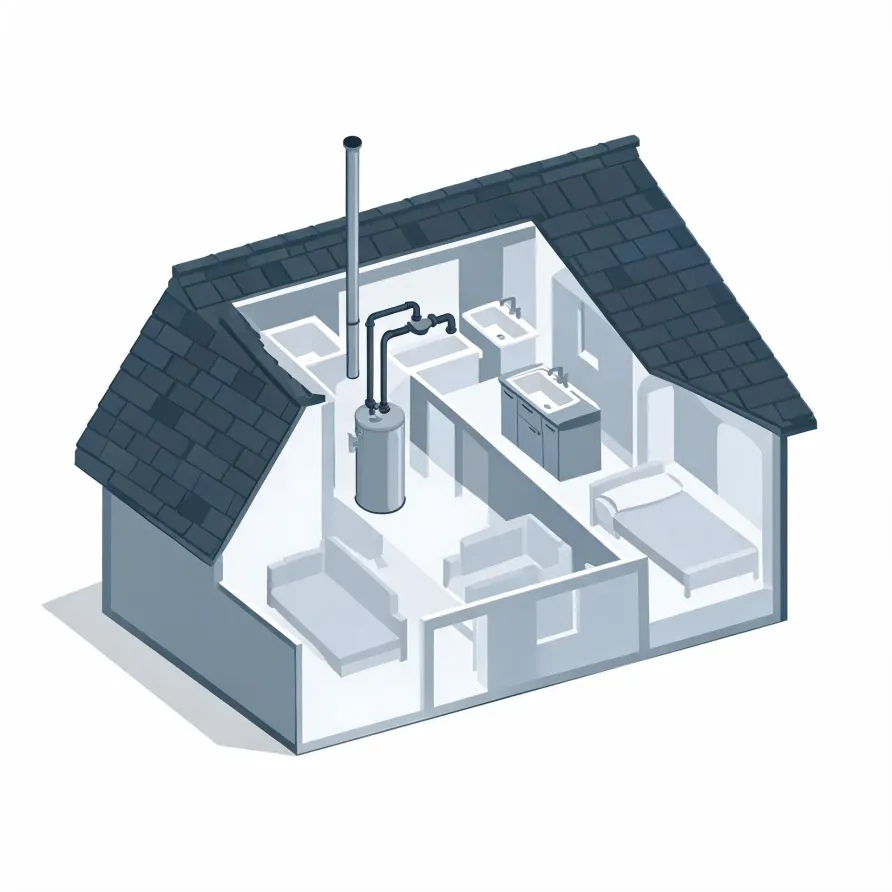
The tank is what most homeowners see, a large insulated cylinder standing in the utility room, basement, or garage. Its job is to hold water at a set temperature, ready to deliver on demand. When hot water runs out fast, arrives lukewarm, or smells off, the tank and its internal components are where a contractor starts.
The heating elements or burner assembly sit inside or beneath the tank and are responsible for raising the water to temperature. The thermostat controls when that heat kicks in, and the pressure relief valve is a safety device mounted to the tank's side that releases if internal pressure climbs too high. The anode rod runs down through the tank interior and slows corrosion from the inside out.
The drawing shows the general layout of a water heater system, and a licensed contractor determines which parts apply to the specific unit and installation in your home.
Find a contractor in Pulaski CountyPulaski County, by the numbers
311 severe weather events were recorded in Pulaski County, Arkansas between 2015 and 2024.
NOAA National Centers for Environmental Information, Storm Events Database, bulk CSV export, events 2015-01-01 through 2024-12-31.Half the homes in Pulaski County, Arkansas were built in 1981 or earlier (2020-2024 ACS 5-year).
U.S. Census Bureau, 2020-2024 American Community Survey 5-Year EstimatesPulaski County, Arkansas holds 193,408 housing units (2020-2024 ACS 5-year).
U.S. Census Bureau, 2020-2024 American Community Survey 5-Year EstimatesOwners occupy 57.0% of the occupied homes in Pulaski County, Arkansas (2020-2024 ACS 5-year).
U.S. Census Bureau, 2020-2024 American Community Survey 5-Year EstimatesSevere Weather Events in Pulaski County
Extreme weather puts stress on water heaters that quiet years do not. Demand spikes, pressure swings, and power disruptions all add wear, and repair needs in Pulaski County track the local conditions that drive them.
311 severe weather events, 2015–2024. Source: NOAA National Centers for Environmental Information, Storm Events Database.