Tell us about the job
Takes about a minute. No obligation.
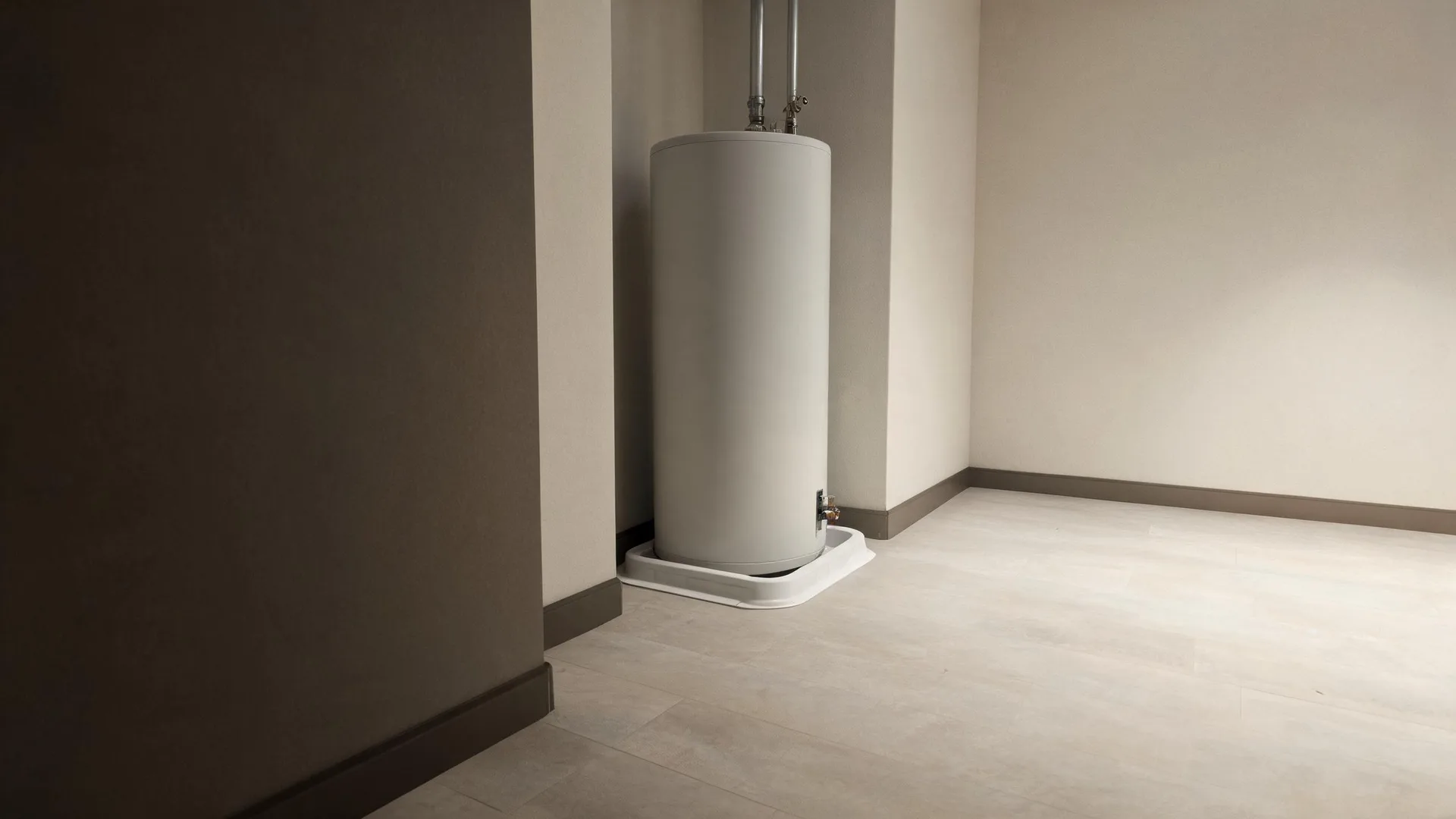
Gas-fired water heaters cycle their burners every time a draw drops the tank temperature, and in a county where gas is the dominant fuel, that load falls on the same two or three parts repeatedly: the thermocouple, the gas valve, and the burner orifice. Utility gas heats more occupied homes in Ouachita County, Arkansas than any other fuel, at 48.7% (2020-2024 ACS 5-year). A contractor diagnosing a water heater here starts at the burner assembly, not the tank shell, because sediment and valve drift account for most failures in gas units. Venting matters too. A flue that has been moving combustion gases for years develops cracks or blockages that a visual check catches before they become a safety issue.
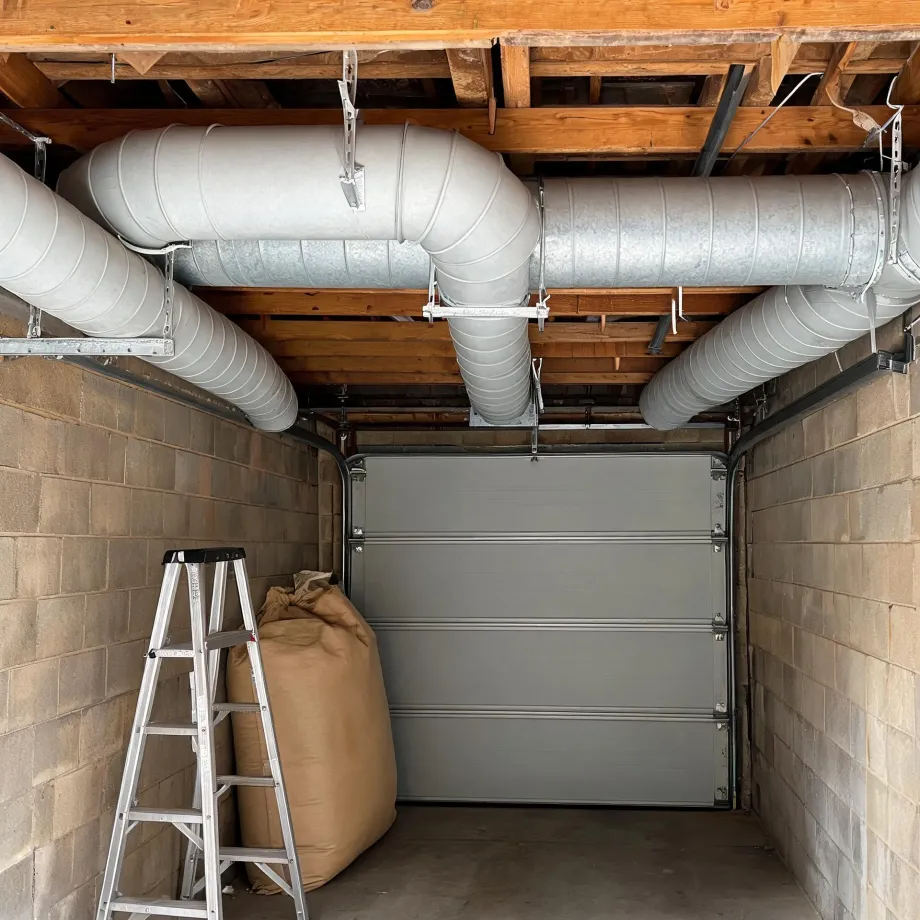
Sediment buildup in the tank, corroded anode rods, and failed heating elements are what a contractor opens a water heater to find in housing stock this old, and those conditions follow from years of accumulated mineral deposits and thermal cycling, not from any single failure event. Half the homes in Ouachita County, Arkansas were built in 1974 or earlier (2020-2024 ACS 5-year). That history means the internal condition of a unit here frequently determines whether a repair is worth completing or whether the surrounding plumbing connections have degraded enough to complicate the job further. What the contractor prices is what the opened system actually shows.
The Parts of a Water Heater a Contractor Checks First
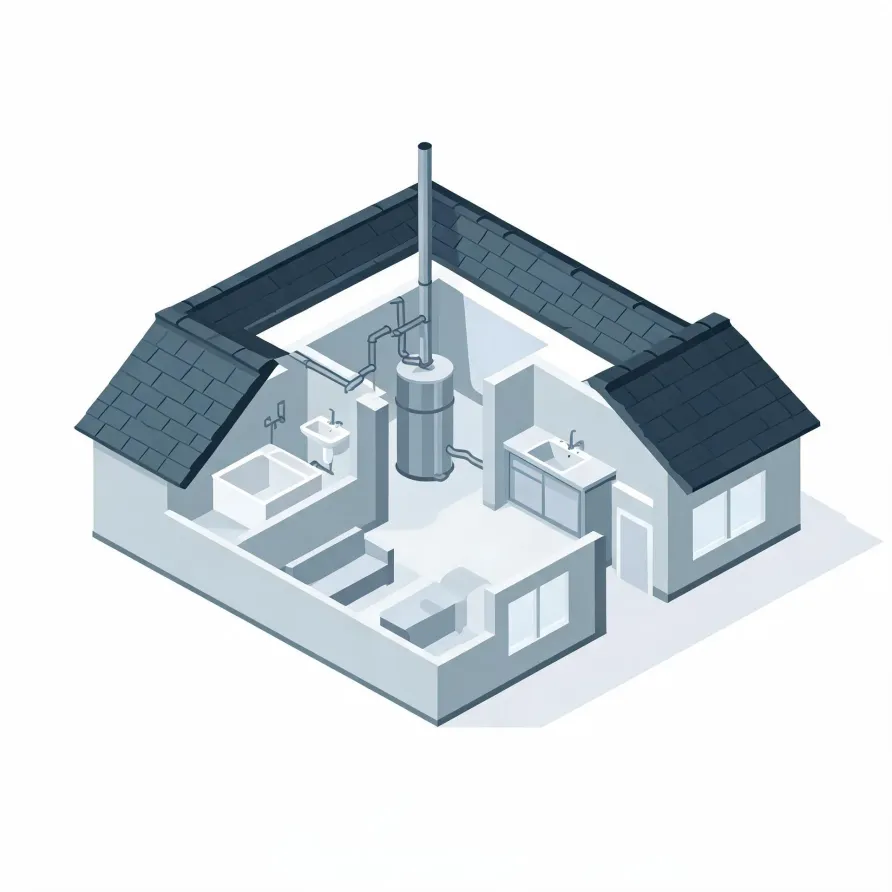
The tank is the piece most homeowners recognize: a tall cylinder that sits in a utility room, basement, or garage and holds a supply of heated water ready for use. When water is slow to heat or runs cold fast, the tank's interior lining or its heating elements are where a contractor looks first.
The pressure relief valve mounts near the top of the tank and releases if pressure inside climbs too high. The anode rod hangs inside the tank and slows corrosion. The inlet and outlet connections sit at the top, and the thermostat controls how hot the water gets. Any of these can be the source of a problem.
The drawing shows the general layout of a water heater system, and a licensed contractor determines what applies to the specific unit and installation in your home.
Find a contractor in Ouachita CountyOuachita County by the Numbers
62 severe weather events were recorded in Ouachita County, Arkansas between 2015 and 2024.
NOAA National Centers for Environmental Information, Storm Events Database, bulk CSV export, events 2015-01-01 through 2024-12-31.Half the homes in Ouachita County, Arkansas were built in 1974 or earlier (2020-2024 ACS 5-year).
U.S. Census Bureau, 2020-2024 American Community Survey 5-Year EstimatesOuachita County, Arkansas holds 11,869 housing units (2020-2024 ACS 5-year).
U.S. Census Bureau, 2020-2024 American Community Survey 5-Year EstimatesOwners occupy 70.9% of the occupied homes in Ouachita County, Arkansas (2020-2024 ACS 5-year).
U.S. Census Bureau, 2020-2024 American Community Survey 5-Year EstimatesSevere Weather Events in Ouachita County
Storms, hard freezes, and heat put real strain on water heaters, pushing them through cycles of demand they were not sized to ignore. How much of that pressure a unit carries depends on what the local weather actually does.
62 severe weather events, 2015–2024. Source: NOAA National Centers for Environmental Information, Storm Events Database.